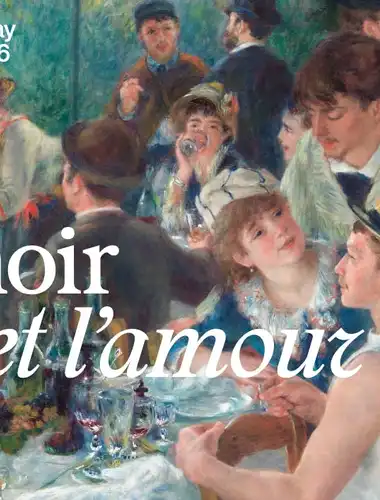

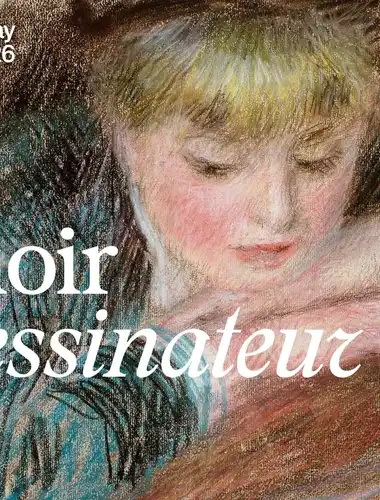
Renoir Drawings
- Musée d'Orsay, Paris
17 Mar - 5 Jul 2026
From€17.50
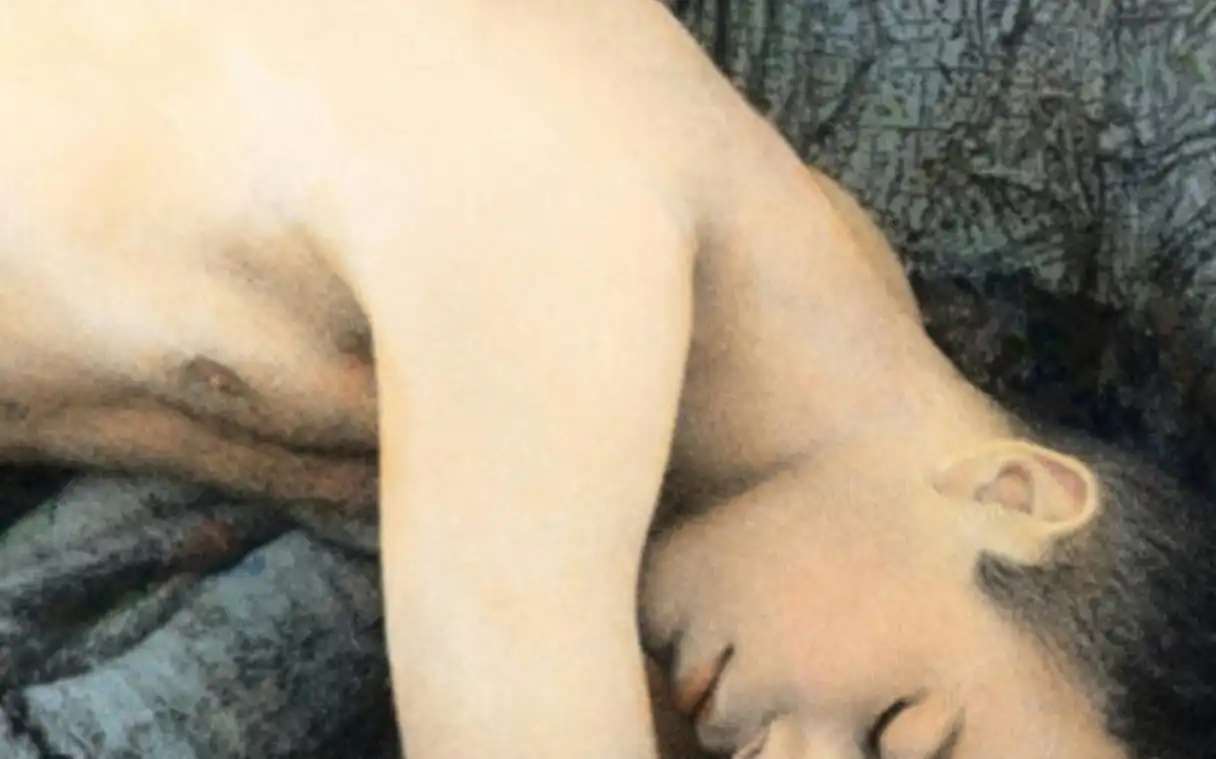
The exhibition Youssef Nabil: To Dream Again marks a historic milestone as the artist becomes the first contemporary figure to inhabit the Musée d’Orsay's Orientalist galleries. This showcase is designed as a profound, transhistorical dialogue that bridges Nabil’s modern sensibilities with the nineteenth-century masterpieces that have fueled his inspiration for over thirty years. By placing his signature hand-colored silver gelatin prints in direct conversation with the museum's permanent collection, the curation explores an aesthetic axis that oscillates between Orientalism and Symbolism. The journey begins with nineteenth-century expedition photography of Egypt, establishing a critical distinction between the colonial-era "Western invention" of the Orient and Nabil’s own reclaimed, poetic vision of his homeland.
At the heart of the exhibition is Nabil’s unique technical process, which revives an ancient hand-coloring technique once prevalent in the film posters of his youth in Cairo. This method transforms his photographs into velvety, unique objects that evoke a "glorious and idealized Egypt." A centerpiece of this dialogue is the self-portrait The Dream (2021), which serves as a direct contemporary descendant of Pierre Puvis de Chavannes’ Le Rêve. Other key tutelary figures, such as Odilon Redon, resonate through the galleries, particularly in the way Nabil’s minimalist compositions of blues and whites echo Symbolist explorations of solitude and spiritual yearning. This juxtaposition allows for a "consensual Orientalism," where the artist utilizes historical codes—languid bodies and saturated horizons—to construct a sensual world free from past prohibitions.
The emotional weight of the exhibition rests on the recurring themes of exile, nostalgia, and the act of remembering. Nabil’s signature self-portraits with backs turned away from the camera evoke a profound sense of melancholy and mystery, representing the "permanent in-betweenness" of an artist living between cultures. This narrative of transition and identity culminates in a space dedicated to the moving image, featuring acclaimed films such as I Saved My Belly Dancer and The Beautiful Voyage. In these works, the kinetic energy of the past is preserved, countering the symbolic disappearance of cultural icons and reimagining the Mediterranean world as a borderless realm. Ultimately, the exhibition invites visitors into an intimate, dreamlike space where the past is not a prison of nostalgia, but a luminous fiction for the contemporary experience.
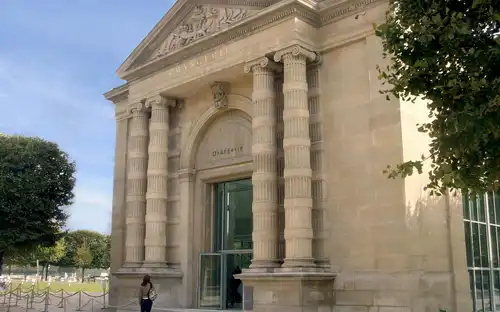
Housed within the magnificent Beaux-Arts Gare d'Orsay, this iconic Paris museum showcases the world's premier collection of Impressionist and Post-Impressionist masterpieces by legends such as Monet, Van Gogh, and Renoir. Its rotating exhibitions and permanent galleries offer an unparalleled journey through 19th-century art history in one of the city's most breathtaking architectural landmarks.
The museum is closed every Monday, as well as on May 1st and December 25th.
Free entry is offered to all visitors on the first Sunday of every month.
On Thursdays, the venue offers extended evening hours with the galleries remaining open until 9:45 PM.
Located on the left bank of the Seine in the 7th arrondissement, the Musée d'Orsay is one of Paris's most accessible cultural landmarks, housed within a stunning former railway station. Its central position makes it easy to reach via a variety of efficient public transport links that connect it to the rest of the city.
Don't miss the 3 other major exhibitions currently showing at Musée d'Orsay during your visit to Paris in 2026.
Complete your cultural itinerary in 2026 with the 55 other top-rated exhibitions in Paris.
Don't miss the 39 iconic cultural landmarks that define Paris in 2026.