Grand mansion at Musée Rodin viewed through manicured gardens with a central pond, statues, and trimmed bushes.
Recommended

Musée Rodin Paris

  • Paris

Set within the historic Hôtel Biron, the Musée Rodin Paris showcases a premier collection of Auguste Rodin’s masterpieces, including his iconic bronze sculptures and Impressionist-era exhibitions. Visitors can explore the evocative gardens and galleries where the artist once lived and worked, offering a profound look into the legacy of France's most celebrated sculptor.

The Musée Rodin is a crown jewel of the Parisian cultural landscape, offering an intimate look into the life and genius of Auguste Rodin, the man celebrated as the father of modern sculpture. Historically, the museum is housed in the Hôtel Biron, a magnificent 18th-century hôtel particulier designed in the Rococo style. Rodin began renting rooms in the mansion in 1908 and eventually took over the entire building to use as his studio. In a visionary move shortly before his death, he bequeathed his entire collection to the French state on the condition that the building be preserved as a museum dedicated to his work. This transition from a living studio to a public gallery allows visitors to engage with the art in the very environment where much of it was conceptualized and refined.

Inside the mansion, the architecture itself acts as a serene backdrop for the artist's most profound creations. The rooms are flooded with natural light from large bay windows that stretch from floor to ceiling, illuminating the subtle textures of the bronze, marble, and plaster works. The museum’s layout is meticulously curated to follow the chronological evolution of Rodin's career, from his early years to his international fame. Notable highlights include the evocative Camille Claudel room, dedicated to his talented collaborator and muse, and the presence of his personal art collection, which features masterpieces by Vincent van Gogh and Claude Monet, showcasing the rich intellectual and artistic circle in which he lived.

The experience extends into a breathtaking three-hectare sculpture garden, which is widely regarded as one of the most beautiful in Paris. This open-air gallery is a masterpiece of landscape design, featuring manicured lawns, rose gardens, and secluded woodland paths that provide a dramatic setting for some of Rodin’s most iconic monumental works. Visitors can stand face-to-face with the pensive bronze of The Thinker, walk alongside the heroic figures of The Burghers of Calais, and experience the overwhelming complexity of the towering Gates of Hell. The garden offers a rare sense of tranquility in the heart of the city, with the golden dome of Les Invalides peeking over the hedges, creating a timeless and meditative atmosphere.

A visit to the Musée Rodin is more than just a gallery tour; it is an immersion into the creative process of a master who sought to capture the raw, psychological depth of the human condition. Unlike the high-energy bustle of the nearby Louvre, the atmosphere here is one of hushed admiration and peaceful reflection. Whether you are wandering through the elegantly restored interiors of the Hôtel Biron or enjoying a quiet moment by the reflecting pool, the museum fosters a profound connection between art, history, and nature that leaves a lasting impression on every cultural traveler.

Highlights

  • The iconic Thinker sits in a quiet corner of the sculpture garden, inviting visitors to reflect alongside its powerful bronze form.
  • Located inside the historic Hôtel Biron, the marble masterpiece The Kiss captures a moment of intense and timeless emotion.
  • Standing over six meters tall in the garden, The Gates of Hell features hundreds of intricate figures inspired by Dante’s Inferno.
  • The Sculpture Garden offers three hectares of manicured lawns and rose bushes where monumental works are displayed in the open air.
  • A dedicated room showcases the tragic genius of Camille Claudel, highlighting her significant contributions and collaborative works.
  • The Monument to Balzac represents a turning point in modern sculpture, focusing on the writer's persona rather than a literal likeness.

Must-Dos

  • Look for the visible seam lines on the finished bronzes to understand how Rodin intentionally acknowledged the manufacturing process.
  • Walk to the back of the garden to gaze at the Invalides dome as it creates a stunning architectural silhouette behind the monumental sculptures.
  • Visit the Plaster Gallery to examine raw studies, fragments, and clay models that reveal the intricate, step-by-step evolution of his creative process.
  • Wander through the linden tree alleys that form botanical naves, offering a structured, rhythmic perspective of the garden's landscape architecture.
  • Admire the monumental staircase inside the Hôtel Biron to appreciate the grand Rococo architecture that served as the artist's personal creative sanctuary.
  • Observe the The Burghers of Calais up close to feel the tension and emotional power expressed through the immutable rigor of the metal.

Guidelines

  • All visitors must undergo a mandatory security check at the museum entrance to ensure safety.
  • Large items such as luggage, oversized bags, or items exceeding 17 x 26 inches must be checked at the cloakroom.
  • Small backpacks are permitted but must be worn on the front or side of your body rather than on your back.
  • Visitors are encouraged to take casual, non-commercial photos using handheld cameras or cell phones without the use of a flash.
  • The use of tripods, selfie sticks, and drones is strictly prohibited inside the galleries and on the museum grounds.
  • Please maintain a safe distance of at least two feet from all artworks and refrain from touching them to prevent damage.
  • Smoking, including the use of e-cigarettes, and consuming outside food or drinks are not permitted within the museum premises.

Tips

  • Book your tickets online in advance and add €1 to specifically skip the queue at the entrance of 77 Rue de Varenne.
  • Plan your visit for weekday mornings starting at 10:00 am to enjoy the galleries and gardens while they are most spacious and quiet.
  • Take advantage of the combined ticket with the Musée d'Orsay for €22.40 to save money if you plan on visiting both iconic institutions within three months.
  • Prioritize exploring the sculpture garden first if you arrive in the late afternoon, as it often closes by 5:00 pm during the winter or at nightfall.
  • Visit on the first Sunday of the month between October and March to access the entire museum and its grounds for free without needing a prior reservation.
  • Allow yourself at least one hour before the last entry at 5:45 pm to ensure you can see the major highlights like The Thinker without feeling rushed.

Why Visit

While the world flocks to the crowded corridors of the Louvre, the true soul of Parisian artistry waits in the hushed, sun-drenched halls of the Musée Rodin. This is a rare opportunity to step directly into a master’s sanctuary, where the raw energy of creation still feels palpable in every room. Here, art is not merely displayed; it is felt. You are invited to witness the very moment clay became spirit, observing the tactile evolution of works that redefined the human form. By exploring the intimate dialogue between Rodin’s revolutionary sculptures and his personal treasures—including rare canvases by Van Gogh—you gain an unparalleled perspective on the visionary mind that fathered modern sculpture.

The true magic of the museum lies in its ability to harmonize the monumental with the ethereal, offering a sensory journey that shifts with the afternoon light. As you transition from the grand, creaking floorboards of the mansion to the fragrant expanse of the rose gardens, the atmosphere transforms into a meditative escape. There is a profound, almost spiritual weight to standing before the towering Gates of Hell, feeling the turbulent emotions of hundreds of figures mirrored by the rustling leaves of the linden trees. The garden acts as a living gallery where the heavy bronze of The Thinker finds a surprising, delicate balance against the shifting shadows of the Parisian sky, creating a cinematic dialogue between man-made masterpieces and the quiet majesty of nature.The Musée Rodin Paris offers a transformative encounter with genius, where the visceral power of modern sculpture meets the timeless tranquility of a hidden Parisian garden.

When to Visit

Midweek Morning Solitude

Arriving right at 10:00 on a Tuesday, Wednesday, or Thursday allows you to navigate the sculpture garden before the midday tour groups arrive. These early hours provide the clearest sightlines of The Thinker and the Gates of Hell without significant foot traffic blocking your view. Since the museum remains closed on Mondays, the first opening hour of the week often sees a small surge, so aiming for the middle of the work week ensures the most tranquil environment for photography and reflection.

Late Afternoon Garden Glow

Planning your entrance for 16:00 or later takes advantage of the thinning crowds as daytime visitors begin to head toward dinner reservations. During these final two hours before the 18:30 closing, the low-angled sun casts long, dramatic shadows through the rose bushes and across the bronze textures of the masterpieces. This specific window offers a softer, warm light that highlights the emotive details of the sculptures more effectively than the harsh overhead glare of midday. You will find the indoor galleries of the Hôtel Biron particularly peaceful during this time, as most remaining guests tend to linger in the outdoor pathways.

How to Visit

To make the most of your time at the Musée Rodin, you should budget at least two hours to comfortably explore both the interior galleries and the extensive grounds. The museum is conveniently located at 77 Rue de Varenne, and the most efficient way to enter is by booking a timed-entry ticket online in advance; this allows you to head straight to the security check and bypass the primary ticket window queues.

A Strategic Sculptural Circuit

The layout of the Hôtel Biron and its gardens is best tackled in a specific order to avoid backtracking and to see the masterpieces in their intended environments.

  • Start your journey in the sculpture garden to the left of the main entrance to find the monumental Gates of Hell, which serves as the thematic foundation for many of Rodin's smaller works.
  • Continue through the garden paths to find The Thinker, positioned to overlook the grounds from a dedicated stone plinth.
  • Move inside the Hôtel Biron and begin on the ground floor, following the rooms chronologically from Room 1 (His Beginnings) through Room 8 (Rodin at the Hôtel Biron).
  • Head to the upper floor to explore later-career developments, including the dedicated gallery for Camille Claudel, whose influence on Rodin's work is essential to understand his creative evolution.

Logistics and Local Insights

Keep in mind that while photography is generally permitted, using a flash is strictly prohibited inside the historic mansion. If you are traveling with large bags or suitcases, you will need to store them elsewhere as the museum's security policy only allows small handbags or slim backpacks. For those looking to extend their stay, the on-site garden café offers a quiet spot for a break before you head out to nearby landmarks like Les Invalides, which is just a five-minute walk away.

Schedules

Opening Hours

  • The Musée Rodin Paris is open from Tuesday to Sunday from 10:00 to 18:30.
  • The venue is closed to the public every Monday.
  • The final entry for visitors is permitted until 17:45 each day.

Special Days

The museum remains closed on Mondays, January 1, May 1, and December 25, and it typically closes early at 17:30 on December 24 and December 31.

Free admission is offered to all visitors on the first Sunday of the month from October to March.

How to get there

Nestled in the heart of the 7th arrondissement, the Musée Rodin occupies the elegant Hôtel Biron, offering a serene escape just a short stroll from the golden dome of Les Invalides. Its central location makes it effortlessly accessible via several of the city's most reliable transit lines.

  • Metro: Line 13 to Varenne, which is the closest station, or Lines 8 and 13 to Invalides.
  • RER: Line C to Invalides, followed by a brief walk along Boulevard des Invalides.
  • Bus: Lines 69, 82, 87, and 92 all stop at Varenne or nearby at Vauban – Hôtel des Invalides.
  • Bike: Vélib' station n°7015 is conveniently located at 9 boulevard des Invalides.
Directions

Frequently Asked Questions about Musée Rodin Paris

The Musée Rodin Paris provides a free cloakroom in the entrance hall for coats and small bags; however, for security reasons, large suitcases and bulky luggage are strictly prohibited and cannot be stored on the premises.
Yes, the Hôtel Biron and the Rodin gardens are fully accessible. Elevators are available inside the mansion, and the garden paths are designed to accommodate visitors with reduced mobility or those with small strollers.
The museum offers a 'Garden Only' ticket for those who wish to focus on the three-hectare outdoor sculpture gallery. This is a popular option for seeing 'The Thinker' and 'The Gates of Hell' while enjoying the Parisian landscape design.
One of the most iconic photo locations in the Rodin gardens is the perspective from the rose garden, where you can frame the bronze statue of 'The Thinker' with the golden dome of Les Invalides or the distant Eiffel Tower in the background.
The museum offers official audio guides in multiple languages that provide deep insights into Rodin's creative process and the history of the Hôtel Biron. Private guided tours can also be booked in advance for a more personalized exploration of French art history.
The famous marble version of 'The Kiss' is displayed inside the main galleries of the Hôtel Biron to protect the delicate stone from the elements, while many of Rodin’s monumental bronze works are situated in the open-air garden.
Yes, the Musée Rodin Paris frequently hosts temporary exhibitions that explore various facets of Rodin's influence on modern art or showcase works by his contemporaries, such as Camille Claudel, providing a fresh perspective on his legacy.
Visitors can enjoy a meal or coffee at 'L'Augustine', the museum's charming cafe-restaurant nestled within the gardens. It offers a peaceful outdoor terrace perfect for reflecting on the sculptures after your tour.
To experience the meditative atmosphere mentioned in the overview, it is best to arrive right at opening time (10:00 AM) on a weekday. The late afternoon, about two hours before closing, also offers beautiful natural light through the bay windows of the Hôtel Biron.
Vibrant birds of paradise and intricate New Guinean feathered headdresses on display at Musée du Quai Branly.
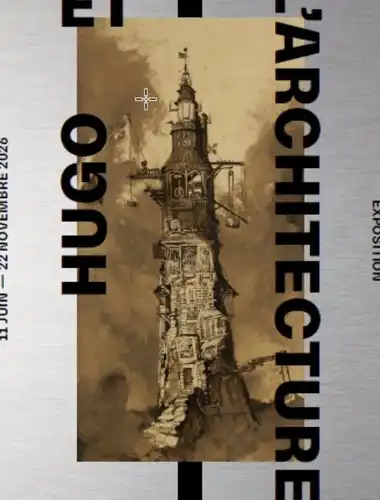
Detailed architectural sketches and manuscripts displayed in the historic, red-walled gallery of Maison Victor Hugo.
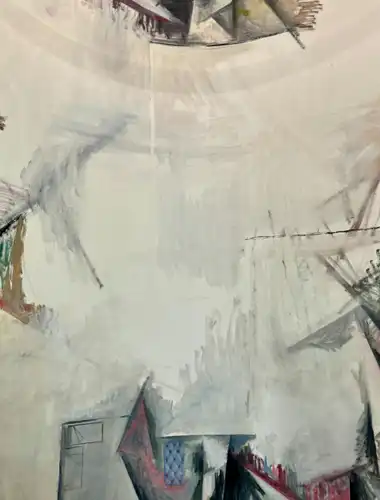
Immersive cubistoid wall paintings with intersecting lines in the historic chapel of Musée Picasso Paris.
Recommended
Vintage prints and cameras on display at the Robert Capa War Photographer exhibition in Paris.
Vibrant 360-degree projections of 17th-century French fables in a modern, immersive gallery space.
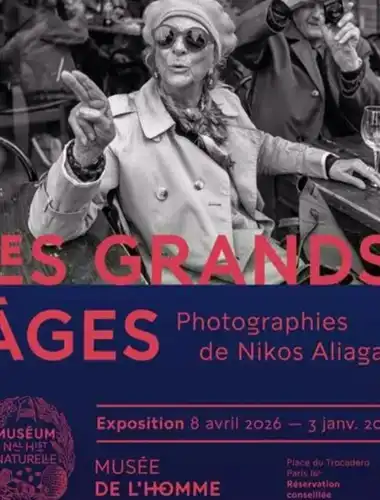
Close-up photography of elderly individuals displayed in the modern gallery space at Musée de l'Homme in Paris.
Modern gallery space featuring digital replicas and contemporary art displays for the Heritage in Resistance exhibition.
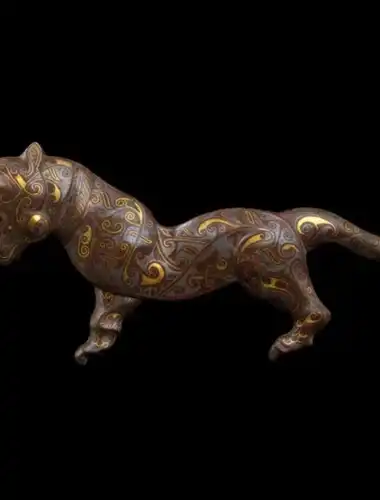
Intricate historical animal sculptures and artworks from the Al Thani Collection displayed in a sophisticated gallery setting at the Hotel de la Marine.
An interactive gallery space featuring thought-provoking displays and narratives designed to challenge perceptions and encourage analytical evaluation of information at the Cité des sciences et de l'industrie.
Immersive video mapping of the US-Mexico border projected onto large screens in a darkened gallery space.
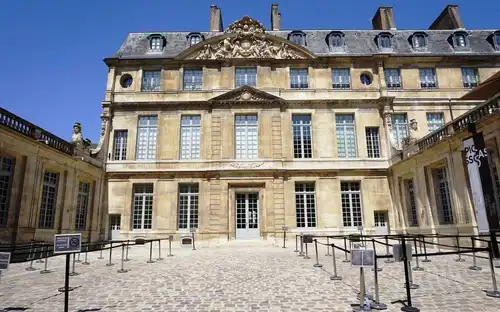
Stone Musée National Picasso-Paris with ornate sculptures and large windows under a clear sky from a courtyard.
1 exhibition

Musée national Picasso-Paris

  • Paris

The profound legacy of the twentieth century’s most iconic artist in the historic Marais.

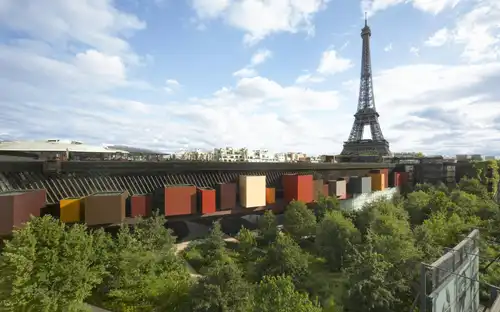
Colorful block-shaped museum buildings surrounded by lush trees with the Eiffel Tower in the background.
1 exhibition

Musée du quai Branly - Jacques Chirac

  • Paris

An global odyssey through the world's most evocative indigenous arts and ancient cultural treasures.

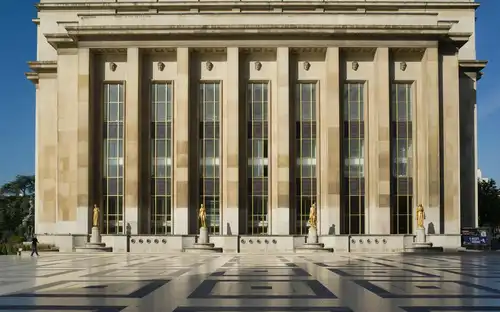
Musée de l’Homme at Palais de Chaillot with golden statues on a geometric plaza under a clear blue sky.
1 exhibition

Musée de l’Homme

  • Paris

A masterfully curated journey through the ancient artifacts and prehistoric origins of humanity.

Stone building with archways and windows, partially obscured by trees, with pedestrians on the sidewalk.
1 exhibition

Musée de la Libération de Paris - Musée du Général Leclerc - Musée Jean Moulin

  • Paris

An evocative journey through the clandestine courage that secured the liberation of Paris.

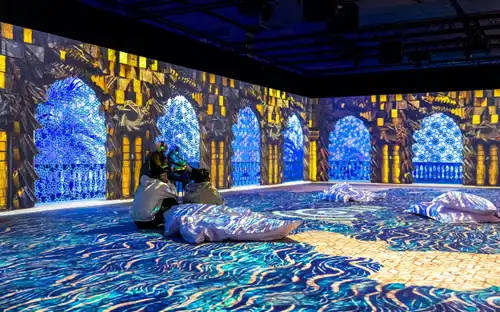
A 360-degree video projection of colorful scenes in the Hall of Dreams at Cité Immersive des Fables.
1 exhibition

Cité Immersive des Fables

  • Paris

A sensory voyage through poetic masterworks and breathtaking 360-degree projections.

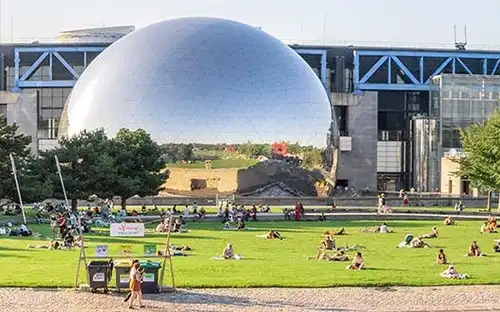
People relax in a sunny park with trees and a large metallic dome at Cité des sciences et de l’industrie.
2 exhibitions

Cité des sciences et de l'industrie

  • Paris

Europe's largest science sanctuary where avant-garde innovation meets immersive, celestial discovery.

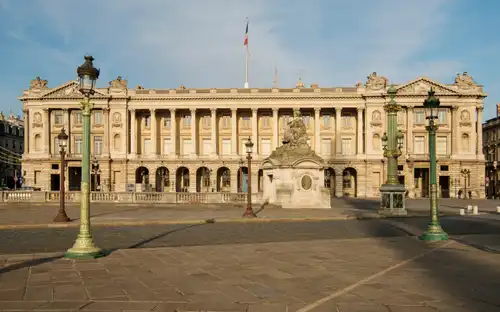
Historic Hôtel de la Marine with French flag, ornate facade, columns, and a statue in a stone-paved square.
1 exhibition

Hôtel de la Marine

  • Paris

Exquisite 18th-century apartments reflecting the golden age of French royal elegance and design.

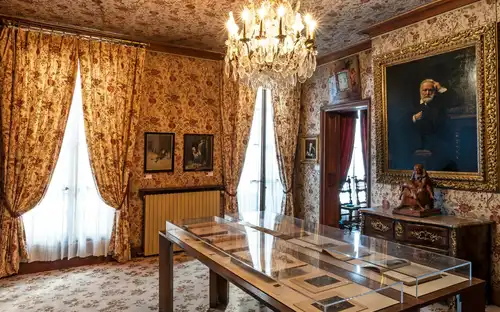
Ornate room at Maison Victor Hugo with floral wallpaper, a chandelier, antique furniture, and a document display.
1 exhibition

Maison Victor Hugo

  • Paris

Timeless historic rooms and original manuscripts within the author’s elegant Parisian townhouse.

Cité de l'architecture et du patrimoine building with columns and the Eiffel Tower under a clear blue sky.
1 exhibition

Cité de l'architecture et du patrimoine

  • Paris

A grand odyssey through the intricate evolution of French architectural mastery and design.