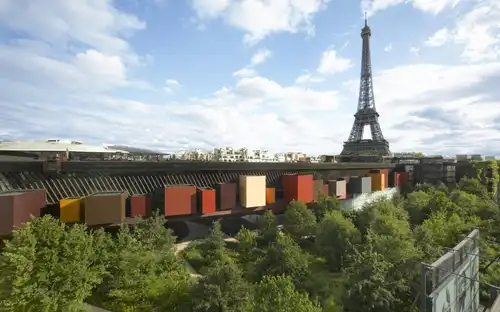
Plumes Du Paradis
- Musée du quai Branly - Jacques Chirac, Paris
22 May - 8 Nov 2026
From€14.00
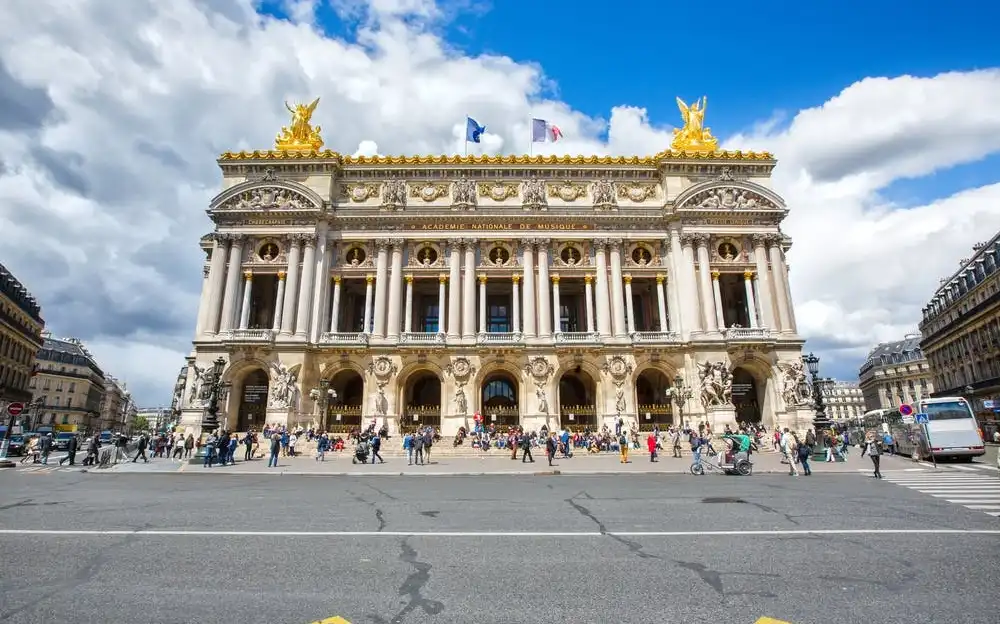
The Palais Garnier, a breathtaking symbol of 19th-century opulence, stands as a crowning jewel of Napoleon III's ambitious urban renewal of Paris. Commissioned following a narrow escape from an assassination attempt at the old opera house, the project was awarded to the then-unknown architect Charles Garnier. Inaugurated in 1875, this architectural masterpiece served as the primary home of the Paris Opera and the Paris Opera Ballet for over a century. Today, it remains one of the most famous opera houses in the world, renowned not only for its elite performances but also as the legendary setting for Gaston Leroux’s novel, The Phantom of the Opera.
The architecture is a magnificent display of the Napoleon III style, an eclectic and high-energy blend of Baroque, Renaissance, and Palladian influences. Its grand southern façade overlooks the Place de l'Opéra, featuring intricate stone columns, multicolored marble friezes, and gilded bronze busts of great composers like Beethoven and Mozart. Inside, the experience is defined by the awe-inspiring Grand Staircase, crafted from white, green, and red marble. Designed as a theater of social ritual, the staircase and its surrounding balconies were built specifically for the elite to "see and be seen," illuminated by radiant torchères held by sculpted figures.
The atmosphere reaches a fever pitch of luxury within the Grand Foyer, a 154-meter-long hall inspired by the Hall of Mirrors at Versailles. Every inch is adorned with gold leaf, shimmering chandeliers, and vibrant ceiling frescoes by Paul Baudry that depict the history of music. For a change of pace, visitors can discover the whimsical Salon du Soleil and Salon de la Lune, or the Rotonde des Abonnés, a moody, mosaic-covered rotunda that once served as a private entrance for subscribers. This "palace of gold and marble" offers a sensory feast, transporting visitors back to the peak of the Second Empire.
The heart of the building is the 1,979-seat Auditorium, a space that perfectly marries historical tradition with modern artistic flair. While the theater retains its classic Italian horseshoe shape and red velvet seating, the ceiling features a stunning, vibrant fresco painted by Marc Chagall in 1964. This modern masterpiece, depicting scenes from famous operas and ballets, encircles the legendary seven-ton bronze and crystal chandelier. Whether attending a world-class ballet or exploring the Paris Opera Library-Museum, a visit to the Palais Garnier provides an immersive journey into the soul of Parisian cultural excellence and architectural grandeur.
Stepping into the Palais Garnier is not merely a visit to a theater; it is a total immersion into a golden era of unapologetic luxury and artistic triumph. While other monuments offer glimpses of history, this "palace of the spirit" provides an active stage where you become part of the social ritual that defined Parisian high society. To stand in the Loggia and look down the Avenue de l'Opéra is to feel the heartbeat of the city from its most prestigious vantage point, making it an essential pilgrimage for anyone seeking the true essence of Parisian grandeur.
The true magic of the venue lies in its ability to overwhelm the senses, from the cool touch of Swedish marble on the Grand Staircase to the warm, shimmering glow of the Grand Foyer’s infinite mirrors. There is a profound emotional resonance in the juxtaposition of the classical architecture with the vivid, modern colors of Marc Chagall’s ceiling, a sight that stops even the most seasoned travelers in their tracks. Whether you are tracing the legendary whispers of the Phantom in Box 5 or marveling at the sheer gravity-defying scale of the seven-ton chandelier, the Palais Garnier transforms a simple tour into a breathtaking encounter with the sublime.The Palais Garnier is a jewel box of architectural mastery that offers an unparalleled journey into the lavish soul of Paris, where every gilded corner tells a story of elegance and mystery.
Mid-Morning Luminance in the Grand Foyer
Stepping through the doors between 10:00 and 12:00 offers the most practical advantage for photographers and sightseers alike. This specific window captures the best natural light as it filters through the massive windows of the Grand Foyer, illuminating the gold leaf and mosaics before the sun moves too high in the sky. Arriving right at opening also ensures you stay ahead of the large group tours that typically begin to congest the corridors and the Grand Escalier by early afternoon.
The Performance Day Cutoff
Checking the evening performance schedule is a vital logistical step because the opera house often closes early to the public when a show is slated for the night. Aim to visit on weekdays, specifically Tuesday or Wednesday, when the volume of local visitors is significantly lower than on weekends. Avoiding the final hour of admission is recommended, as security begins clearing the upper balconies and smaller salons well before the official closing time of 17:00, potentially cutting your exploration short.
If you are planning a trip to the iconic Palais Garnier, the first thing to know is that tickets are no longer sold on-site; you must book your self-guided or guided tour online in advance. While the main facade on Place de l'Opéra is the one for your photos, the actual visitor entrance is located at the corner of Rue Scribe and Rue Auber. Budget at least 90 minutes to two hours to explore properly, as the sheer level of detail in the various salons and the museum-library is vast.
Navigating the Gilded Labyrinth
To make the most of your time, I recommend following this logical flow to see the main sights before the crowds peak in any one area:
Pro Tips for a Smooth Visit
If you want a more tranquil experience, consider the side entrance on Rue Auber, which is often less hectic than the main plaza. For those traveling with family, there are specific multimedia guides designed for children that turn the tour into an investigative game. Finally, keep in mind that the upper balconies are sometimes cleared by security about 30 minutes before the official closing time, so don't leave those for the very end of your afternoon.
The Palais Garnier is closed to the public on January 1st, May 1st, and during some special events.
The auditorium may be inaccessible on performance days or during private functions and rehearsals.
Access is usually restricted starting at 4:00 PM on days with scheduled evening performances.
The Palais Garnier is majestically situated at the Place de l'Opéra in the heart of the 9th arrondissement, serving as a focal point of Parisian cultural life. This architectural masterpiece is exceptionally accessible, integrated seamlessly into the city's premier transport networks.
Complete your cultural itinerary with the 10 other top-rated exhibitions in Paris in 2026.
Explore the 9 other top-rated cultural attractions to visit in Paris in 2026.