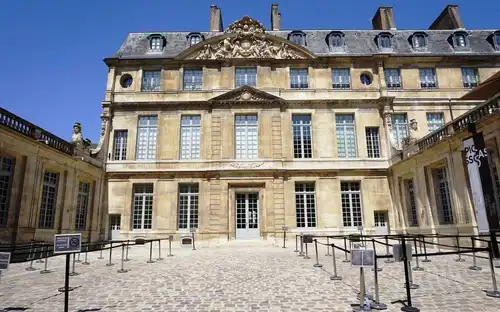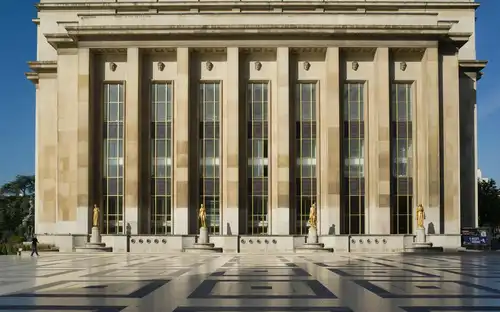
Neoclassical building with tall columns, large windows, outdoor seating, and a statue holding a spear.

Musée d'Art Moderne de Paris

  • Paris

Experience over 15,000 modern and contemporary masterpieces from the 20th and 21st centuries at the Musée d'Art Moderne de Paris, featuring monumental works by Matisse and Picasso. This essential cultural destination in the Palais de Tokyo offers a dynamic program of world-class exhibitions and events showcasing the evolution of artistic thought.

The Musée d'Art Moderne de Paris (MAM), located in the eastern wing of the monumental Palais de Tokyo, stands as a premier testament to 1930s Art Deco architecture. Inaugurated for the 1937 International Exhibition of Arts and Technology, the building was specifically designed to house the city’s burgeoning modern art collections. Its exterior is a masterpiece of neoclassical and modern fusion, featuring dramatic colonnades and a striking bas-relief centered on Apollo, the god of the arts. Situated on the Chaillot hill between the Champs-Élysées and the Eiffel Tower, the museum offers visitors a unique aesthetic experience where the sober, raw interior focuses entirely on showcasing the evolution of artistic thought.

The museum’s permanent collection is nothing short of extraordinary, boasting over 15,000 works that trace the lineage of 20th and 21st-century art. It is particularly renowned for its strength in major movements like Fauvism, Cubism, and the School of Paris. Visitors can wander through galleries filled with masterpieces by titans such as Pablo Picasso, Juan Gris, Amedeo Modigliani, and Georges Braque. A defining highlight is the museum's commitment to large-scale, in situ installations that challenge traditional gallery boundaries, illustrating the radical changes and dialogues that have shaped modernism.

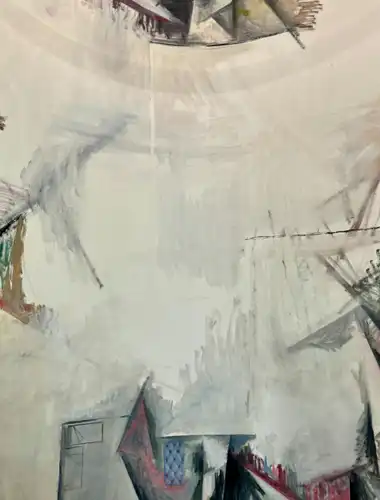
Among the must-see treasures are two dedicated spaces that offer a truly immersive encounter with color and light. The Salle Matisse houses the monumental first two versions of La Danse, a radical work that redefined the use of space and movement in painting. Equally captivating is the Salle Dufy, which contains Raoul Dufy's breathtaking masterpiece, La Fée électricité. Measuring 600 square meters, this vast curved mural celebrates the history of electricity and remains one of the largest paintings in the world, enveloping the viewer in a vibrant, chromatic narrative of human progress.

The atmosphere at the MAM is notably different from the bustling crowds of the Louvre, offering a more serene and contemplative environment. Because it is a "living" art space, the museum frequently hosts dynamic temporary exhibitions that spotlight emerging creators alongside established 20th-century legends. After exploring the collections, visitors often retreat to the outdoor terrace or the Forest restaurant, which provides a sublime view of the Eiffel Tower and the Seine. This combination of world-class avant-garde art, architectural grandeur, and iconic Parisian vistas makes it an essential stop for any cultural enthusiast.

Highlights

  • Admire Raoul Dufy’s monumental and vibrant fresco La Fée Electricité which depicts the history of electricity across 250 panels.
  • Explore a vast collection of over 15,000 works spanning major 20th-century movements like Fauvism, Cubism, and Surrealism.
  • Discover iconic masterpieces by world-renowned artists such as Henri Matisse, Pablo Picasso, and Alberto Giacometti.
  • Take in the striking Art Deco architecture of the building which features monumental reliefs and statues overlooking the Seine.
  • Visit the contemporary art exhibitions that showcase innovative and evolving narratives from the 21st-century art scene.
  • Enjoy stunning views of the Eiffel Tower and the Trocadéro from the museum’s outdoor terraces and plaza.

Must-Dos

  • Browse through the museum bookstore to discover rare art catalogues and unique design-led gifts that reflect the spirit of the Parisian avant-garde.
  • Examine the intricate textures and bold shapes within the decorative arts collection to see how modernism influenced furniture and functional interior design.
  • Experience the hushed, intimate atmosphere of the galleries by visiting during the late-night Thursday openings when the museum remains open until 9:30 PM.
  • Listen to the expert commentary on a multimedia guide to uncover the personal stories and historical secrets behind the museum's lesser-known pieces.
  • Take advantage of the free access to the permanent collection to spend as much time as you need contemplating individual works without any pressure.

Guidelines

  • All visitors must undergo a security screening at the museum entrance to ensure the safety of the collection and other guests.
  • Bulky items such as luggage, large backpacks, and helmets measuring more than 40x30x18 cm are strictly prohibited inside the galleries.
  • The use of flash photography, selfie sticks, and bulky tripods or support equipment is forbidden to protect the artworks.
  • Visitors are not permitted to bring drinks of any kind, including cans and glass bottles, except for water in plastic bottles smaller than 0.5 L.
  • To preserve the integrity of the masterpieces, guests must refrain from touching any of the artworks or display cases.
  • Children under the age of 12 years old must be accompanied and supervised by an adult at all times during their visit.
  • Mobile phones must be turned off or placed on silent mode to maintain a respectful and quiet environment for all visitors.

Tips

  • Visit the museum on Thursday evenings when it stays open until 9:30 PM to enjoy a much quieter atmosphere and shorter wait times.
  • Take advantage of the free access to the permanent collections, though you should still book a time slot online in advance to guarantee entry.
  • Enter through the main doors at 11 Avenue du Président Wilson, as this is the primary access point for both the permanent collection and temporary exhibitions.
  • Make sure to locate the monumental fresco La Fée Électricité by Raoul Dufy, which is housed in a dedicated curved room that many visitors accidentally skip.
  • Stop for a coffee at the museum cafe's terrace to enjoy one of the most stunning and unobstructed views of the Eiffel Tower across the river.
  • Combine your visit with the neighboring Palais de Tokyo since both museums share the same architectural complex and focus on modern and contemporary art.

Why Visit

Stepping into the Musée d’Art Moderne de Paris is like discovering a secret, sun-drenched sanctuary of the avant-garde. While most tourists lose themselves in the overwhelming queues of larger institutions, the savvy traveler finds their way to this Art Deco jewel on Chaillot hill. Here, the barriers between you and the masters vanish; the museum offers an exceptionally intimate dialogue with the titans of the 20th century. Beyond its world-class permanent collection, the MAM serves as a vibrant, living cultural hub, where cutting-edge 21st-century narratives are constantly unfolding, ensuring that every visit feels like a fresh encounter with the soul of modern creativity.

The experience transcends mere observation, pulling you into a sensory journey of light and scale. Standing before Raoul Dufy’s La Fée Electricité, you are not just looking at a mural; you are being completely enveloped by a 600-square-meter chromatic explosion that vibrates with the energy of human progress. The soaring ceilings and raw, sober interiors of the Palais de Tokyo allow the art to breathe, creating a profoundly contemplative atmosphere where the bold colors of Fauvism and the fractured logic of Cubism resonate with newfound clarity. As the late afternoon light pours through the large windows, the transition from the vivid interiors to the outdoor terrace—offering a breathtaking panorama of the Eiffel Tower—solidifies the feeling that you are at the very heart of the Parisian aesthetic ideal.The Musée d'Art Moderne de Paris offers a rare, transformative escape where monumental masterpieces and unrivaled Eiffel Tower vistas converge to create the city’s most authentic and serene encounter with the avant-garde.

When to Visit

Midweek Morning Entry Strategies

Arriving just as the doors open at 10:00 AM on Tuesday or Wednesday provides the most peaceful atmosphere for exploring the permanent collections. Since the museum is closed on Mondays, the first two days of the working week typically see significantly lower foot traffic compared to the weekend rush. This early arrival allows you to navigate the larger installation rooms before the primary influx of school groups and guided tours begins around midday.

Thursday Nocturnal Perspectives

Scheduling a visit during the extended opening hours on Thursday evenings until 9:30 PM offers a unique opportunity to view the avant-garde masterpieces under a mix of artificial and fading natural light. The crowd density drops noticeably after 7:00 PM, creating an intimate environment within the eastern wing of the Palais de Tokyo. Late-night visitors benefit from shorter security queues and a more contemplative pace that is often impossible during standard afternoon hours.

Seasonal Luminance and Facade Glow

The neoclassical architecture and large windows of the museum respond beautifully to the shifting angles of the sun, particularly during the late afternoon in spring and autumn. During these seasons, the light hitting the 11 Avenue du Président Wilson entrance creates a dramatic interplay of shadows through the tall columns. Timing your exit for the hour before the 6:00 PM closing on non-late nights ensures you catch the warm, soft glow reflecting off the stone exterior and the neighboring Eiffel Tower views.

How to Visit

To make the most of your visit to the Musée d'Art Moderne de Paris, you should set aside at least two hours. While the permanent collection is free to browse, getting through the security check at the main entrance on 11 Avenue du Président Wilson is the first step. If you are aiming for a smoother start, try to travel light; the museum has strict rules against large bags, and anything bigger than an A3 sheet must be left at the cloakroom, which can add time to your entry process.

Masterful Navigation Through the MAM

  • Start on the upper levels with the historical collections to see the evolution of Fauvism and Cubism in a chronological flow.
  • Head to the curved room housing Raoul Dufy’s massive electrical mural early in your route to avoid the small clusters of groups that often gather there later.
  • Conclude your indoor tour by descending to the contemporary galleries on the lower floors where the exhibits rotate more frequently.

The Scenic Exit Strategy

After you have had your fill of the avant-garde inside, don't rush straight to the metro. The museum’s layout naturally leads you toward the large glass doors that open onto the terrace. This is the perfect spot to decompress and take in the architecture of the Palais de Tokyo building itself. From here, you can easily walk down the steps toward the Seine for a different perspective of the city's landmarks without the museum walls between you and the skyline.

Schedules

Opening Hours

  • The museum is open Tuesday to Sunday from 10 AM to 6 PM.
  • The ticket office and last entry are at 5:15 PM.
  • On Thursdays, temporary exhibitions offer late-night access until 9:30 PM.
  • The venue remains closed every Monday and on certain public holidays.

Special Days

The museum is closed on Mondays as well as on 1 January, 1 May, and 25 December.

Access to the permanent collections is free of charge for all visitors without the need for prior reservation.

On Thursday evenings, the museum offers late-night opening until 9:30 PM specifically for temporary exhibitions.

How to get there

The Musée d'Art Moderne de Paris is elegantly situated in the 16th arrondissement, housed within the eastern wing of the Palais de Tokyo and overlooking the Seine with a view of the Eiffel Tower. Its central location between the Trocadéro and the Champs-Élysées ensures it is exceptionally well-connected by the city's extensive transit network.

  • Metro: Line 9 to Iéna or Alma-Marceau.
  • RER: Line C to Pont de l'Alma, located just across the river.
  • Bus: Lines 32, 42, 63, 72, 80, and 92 to stations Iéna or Alma-Marceau.
  • Vélib': Self-service bicycle stations are available nearby at 4 rue de Longchamp, 1 rue Bassano, and 2 avenue Marceau.
Directions

Frequently Asked Questions about Musée d'Art Moderne de Paris

Access to the permanent collections at the Musée d'Art Moderne de Paris is free for all visitors. however, tickets are required for the temporary art exhibitions Paris hosts throughout the year, which showcase 20th and 21st century art.
The outdoor terrace of the museum and the 'Forest' restaurant offer some of the most stunning, unobstructed views of the Eiffel Tower and the Seine, making it a perfect spot for photography after exploring the contemporary art galleries.
Yes, the museum occupies the eastern wing of the monumental Palais de Tokyo. While the Musée d'Art Moderne de Paris focuses on 20th and 21st century art history, the western wing is dedicated to emerging contemporary art installations.
Free cloakrooms are available near the entrance for visitors to store coats and small bags. Please note that large suitcases or bulky items are generally prohibited due to security measures at the Palais de Tokyo site.
The Musée d'Art Moderne de Paris is fully accessible, with elevators and ramps available to navigate the different levels of the Art Deco architecture. Strollers are permitted inside the galleries to view the modern art collections.
To fully appreciate Raoul Dufy's 'La Fée électricité' and the major French art movements like Fauvism and Cubism in the permanent collection, you should allocate at least 1.5 to 2 hours for your visit.
A first-time visit should prioritize the 'Salle Matisse' for the radical versions of 'La Danse' and the 'Salle Dufy' to see the monumental 'La Fée électricité', one of the largest paintings in the world documenting human progress.
The museum provides various cultural activities, including guided tours and workshops that delve into the history of the School of Paris and significant 20th century art movements for both individuals and groups.
Photography for personal use is permitted within the permanent collection galleries, but the use of flash, tripods, or selfie sticks is strictly forbidden to protect the delicate artworks and maintain a serene environment.
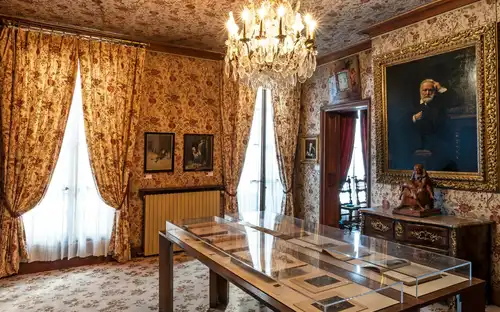
Detailed architectural sketches and manuscripts displayed in the historic, red-walled gallery of Maison Victor Hugo.
Immersive cubistoid wall paintings with intersecting lines in the historic chapel of Musée Picasso Paris.
Recommended
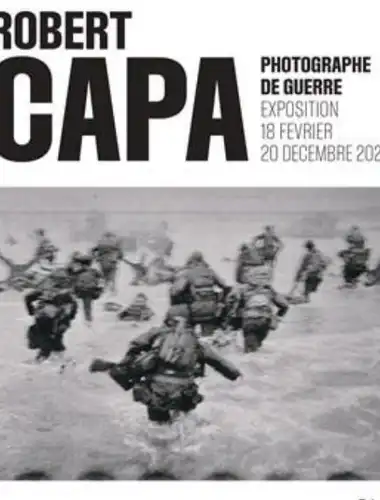
Vintage prints and cameras on display at the Robert Capa War Photographer exhibition in Paris.
Vibrant 360-degree projections of 17th-century French fables in a modern, immersive gallery space.
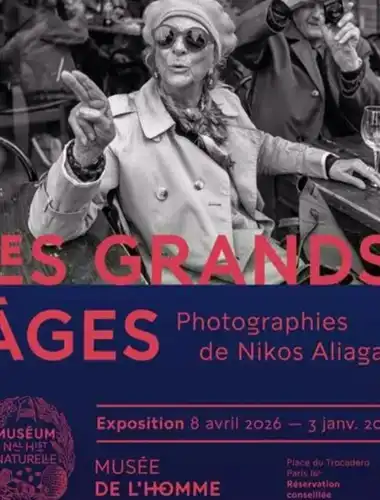
Close-up photography of elderly individuals displayed in the modern gallery space at Musée de l'Homme in Paris.
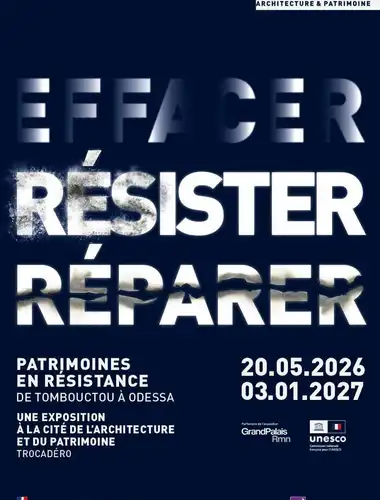
Modern gallery space featuring digital replicas and contemporary art displays for the Heritage in Resistance exhibition.
Intricate historical animal sculptures and artworks from the Al Thani Collection displayed in a sophisticated gallery setting at the Hotel de la Marine.
An interactive gallery space featuring thought-provoking displays and narratives designed to challenge perceptions and encourage analytical evaluation of information at the Cité des sciences et de l'industrie.
Immersive video mapping of the US-Mexico border projected onto large screens in a darkened gallery space.
Stone Musée National Picasso-Paris with ornate sculptures and large windows under a clear sky from a courtyard.
1 exhibition

Musée national Picasso-Paris

  • Paris

The profound legacy of the twentieth century’s most iconic artist in the historic Marais.

Musée de l’Homme at Palais de Chaillot with golden statues on a geometric plaza under a clear blue sky.
1 exhibition

Musée de l’Homme

  • Paris

A masterfully curated journey through the ancient artifacts and prehistoric origins of humanity.

Stone building with archways and windows, partially obscured by trees, with pedestrians on the sidewalk.
1 exhibition

Musée de la Libération de Paris - Musée du Général Leclerc - Musée Jean Moulin

  • Paris

An evocative journey through the clandestine courage that secured the liberation of Paris.

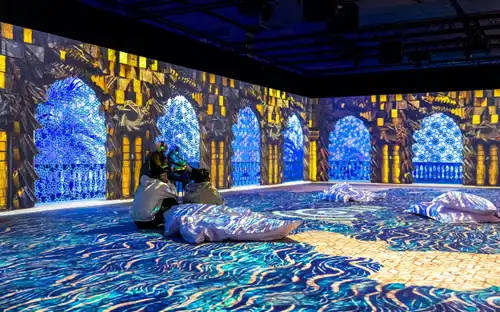
A 360-degree video projection of colorful scenes in the Hall of Dreams at Cité Immersive des Fables.
1 exhibition

Cité Immersive des Fables

  • Paris

A sensory voyage through poetic masterworks and breathtaking 360-degree projections.

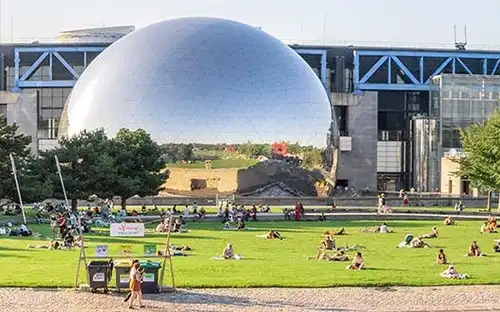
People relax in a sunny park with trees and a large metallic dome at Cité des sciences et de l’industrie.
2 exhibitions

Cité des sciences et de l'industrie

  • Paris

Europe's largest science sanctuary where avant-garde innovation meets immersive, celestial discovery.

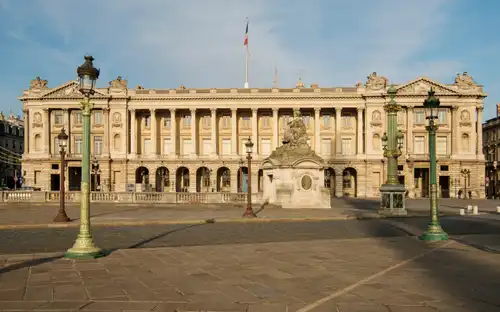
Historic Hôtel de la Marine with French flag, ornate facade, columns, and a statue in a stone-paved square.
1 exhibition

Hôtel de la Marine

  • Paris

Exquisite 18th-century apartments reflecting the golden age of French royal elegance and design.

Ornate room at Maison Victor Hugo with floral wallpaper, a chandelier, antique furniture, and a document display.
1 exhibition

Maison Victor Hugo

  • Paris

Timeless historic rooms and original manuscripts within the author’s elegant Parisian townhouse.

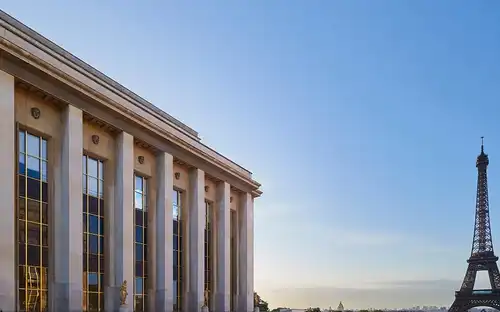
Cité de l'architecture et du patrimoine building with columns and the Eiffel Tower under a clear blue sky.
1 exhibition

Cité de l'architecture et du patrimoine

  • Paris

A grand odyssey through the intricate evolution of French architectural mastery and design.