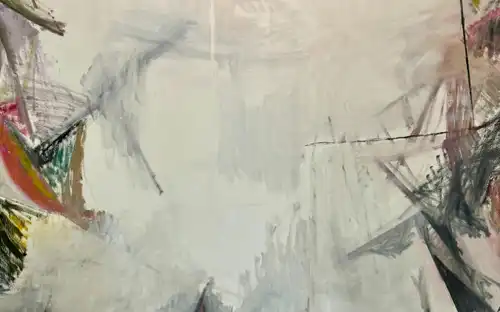
Guillermo Kuitca: Chapel
- Musée national Picasso-Paris, Paris
25 Nov - 29 Nov 2026
From€16.00
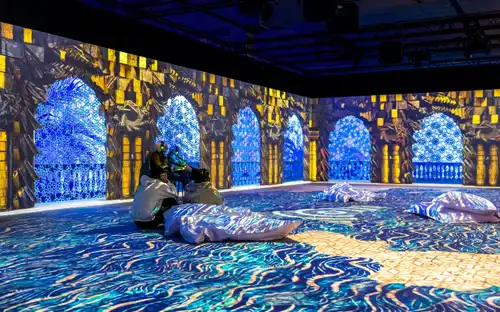
An immersive cubistoid dialogue between historic architecture and the fluid cartography of memory.

Discover the current major exhibition showing at Musée national Picasso-Paris in 2026.
The Musée national Picasso-Paris stands as a monumental tribute to the 20th century’s most prolific genius, housed within the magnificent Hôtel Salé in the heart of the Marais district. This 17th-century hôtel particulier, built for the salt-tax farmer Pierre Aubert, is widely considered the grandest and most extravagant of its era. The museum’s collection is unique, formed primarily through the French legal mechanism of dation en paiement, which allowed the heirs of Pablo Picasso to settle inheritance taxes by donating thousands of his works to the state. This resulted in an incredibly intimate collection of pieces the artist chose to keep for himself, offering a rare glimpse into his private thoughts and experimental processes.
Architecturally, the venue is as much a draw as the art itself. Visitors are greeted by a spectacular Baroque facade and a grand ceremonial staircase, which was modeled after Michelangelo’s designs for the Laurentian Library in Florence. The interior seamlessly blends historical opulence with modern minimalism, featuring white-walled galleries and a custom-designed suite of bronze furniture and light fittings created exclusively for the museum by Diego Giacometti. Notable architectural highlights include the Salon de Jupiter, where the interplay between the ornate stucco ceilings and Picasso’s radical modernism creates a powerful artistic dialogue.
The atmosphere within the museum is one of profound exploration, as the galleries lead visitors chronologically through the various stages of Picasso’s evolution—from the melancholic figures of the Blue Period and the circus-themed works of the Rose Period to his revolutionary experiments with Cubism. With a repository of over 5,000 artworks, including iconic masterpieces like The Kiss and the Portrait of Dora Maar, the museum provides a comprehensive narrative of his career. Beyond the canvases, the collection includes thousands of archival items, such as personal photographs and sketchbooks, which humanize the legend.
The experience extends to the upper reaches of the building, where the Café sur le toit offers a peaceful retreat. This rooftop terrace provides a "suspended" break in the heart of Paris, allowing visitors to enjoy views of the sumptuous facade and the surrounding historic district. Whether exploring the intimate attic spaces or the majestic grand salons, visitors will find that the Musée national Picasso-Paris is not merely a gallery, but a vibrant cultural bridge where the radical innovations of the past century are framed by the enduring elegance of French heritage.
To visit the Musée national Picasso-Paris is to step beyond the velvet ropes of typical art galleries and into the very soul of a creative titan. While other museums display what an artist sold to the world, this unique sanctuary houses the works Picasso refused to part with, offering an unmatched, intimate connection to his private genius. Wander through the sun-drenched rooms of the Marais, where the raw energy of his Cubist sculptures and playful ceramics creates a breathtaking contrast against the aristocratic elegance of the surroundings. It is the only place on earth where you can witness the entire trajectory of a legend, from his first youthful sketches to the defiant, free-spirited masterpieces of his final years.
The sensory experience of the museum is a masterclass in aesthetic harmony, where the creak of historic parquet floors underpins the visual shock of radical modernism. As you ascend the majestic staircase, the filtered Parisian light illuminates the delicate bronze fixtures by Diego Giacometti, designed to let the art truly breathe. There is a profound emotional resonance in standing before the preparatory studies for his most haunting works, feeling the intellectual struggle and triumph of an artist who fundamentally reshaped how we see the world.The Musée national Picasso-Paris is an essential pilgrimage for any traveler, offering a transcendent dialogue between the revolutionary spirit of the 20th century and the timeless architectural beauty of the Marais.
Midweek Morning Marais Strategy
Arriving right as the doors open at 9:30 am on a Tuesday, Wednesday, or Thursday provides the clearest path through the Hôtel Salé’s grand staircase and primary galleries. Crowds typically surge between 11:00 am and 3:00 pm, so completing your circuit by midday ensures you avoid the heavy afternoon foot traffic. If you prefer a later visit, the final entry slot at 5:15 pm often sees a significant drop in visitor numbers, allowing for a swift but peaceful walkthrough before the 6:00 pm closure.
Natural Illumination of the Grand Escalier
The architectural details of the 17th-century mansion are best appreciated when the sun is high, particularly between 12:00 pm and 2:00 pm. During these hours, natural light floods through the large windows of the upper floors, highlighting the intricate carvings and textures of the stone without the heavy shadows found in the early morning. This timing creates a vibrant, high-contrast environment that brings out the depth of the sculptural works and the "French-style" architectural flourishes unique to this Marais landmark.
To make the most of your visit to the Musée national Picasso-Paris, you should budget approximately 2 hours to comfortably explore the collection. The main entrance is located at 5 Rue de Thorigny, where you will pass through a standard security check. Since this is a medium-sized museum, it’s a perfect candidate for a focused "top-down" strategy to stay ahead of other visitors.
Navigating the Hôtel Salé
The museum is spread across several floors of a stunning 17th-century mansion, and the best way to see it is to move against the natural flow of the crowds.
Pro Tips for a Seamless Circuit
To keep your visit light and efficient, try to go hands-free by using the cloakroom for any bulky bags or umbrellas, as large items are restricted in the narrow gallery spaces. If you are an artist or a writer yourself, bring a pencil rather than a pen, as many galleries have strict rules against ink near the masterpieces. Most importantly, ensure your phone is fully charged if you plan to use the museum’s digital guides, though simply following the chronological labels from the top floor down is a perfectly smart route for first-timers.
The museum is closed on Mondays, January 1st, May 1st, and December 25th.
Visitors can enjoy free admission on the first Sunday of every month.
Special late-night openings occur until 10:00 PM on the first Wednesday of each month.
The Musée national Picasso-Paris is elegantly situated in the historic 3rd arrondissement within the heart of the Marais district, just a short stroll from the vibrant cultural hubs of the Right Bank. This 17th-century architectural treasure is highly accessible via several primary transit routes, making it a seamless addition to any Parisian exploration.
Complete your cultural itinerary with the 9 other top-rated exhibitions in Paris in 2026.
Explore the 8 other top-rated cultural attractions to visit in Paris in 2026.