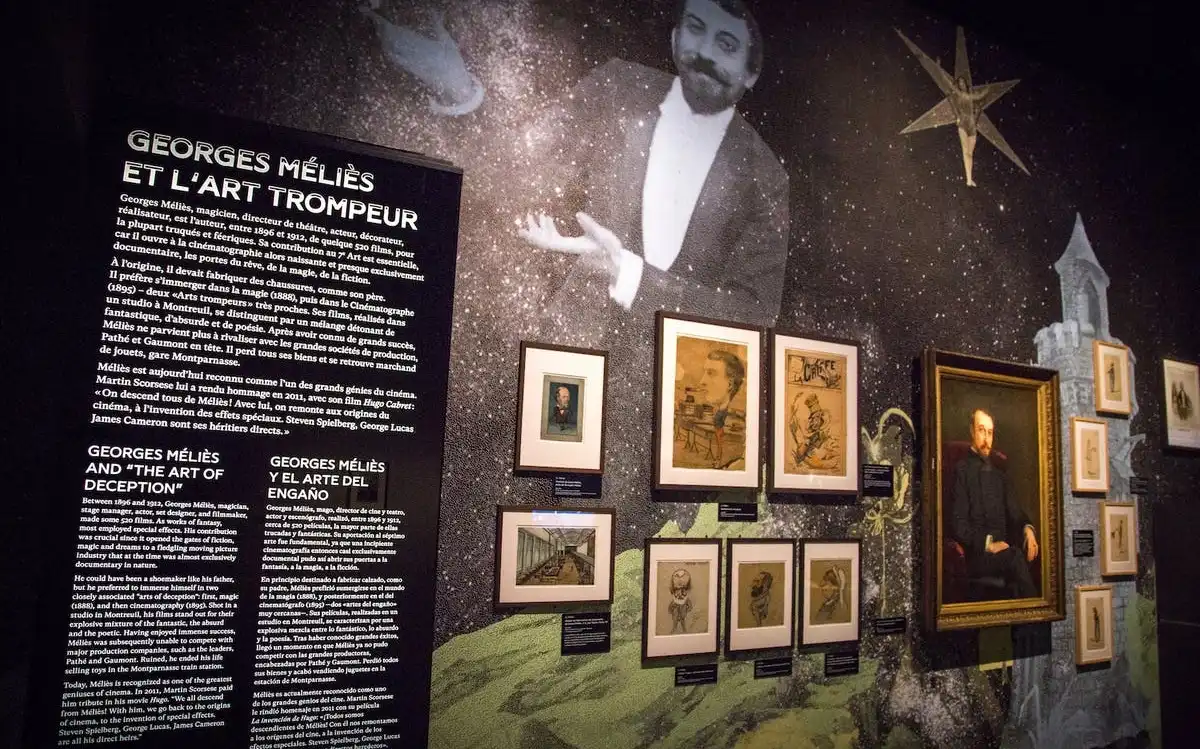
Exhibit wall with multilingual text about Georges Méliès, surrounded by framed portraits and illustrations.

La Cinémathèque Française

  • Paris

Housed in a striking Frank Gehry building, La Cinémathèque Française is a cornerstone of Paris culture, offering a world-class archive and immersive exhibitions at the Musée Méliès. This cinematic haven pairs daily global screenings with a deep dive into the enchanting legacy of film pioneer Georges Méliès.

Recommended
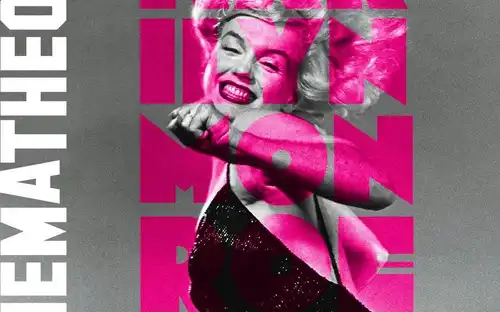
A classic black-and-white portrait of Marilyn Monroe on display at the Cinémathèque Française exhibition in Paris.

Marilyn Monroe

  • La Cinémathèque Française, Paris
8 Apr - 26 Jul 2026
From€14.00

A sophisticated retrospective of the timeless elegance and enduring influence of Marilyn Monroe.
Located in the heart of the 12th arrondissement just outside the Parc de Bercy, La Cinémathèque Française stands as a global sanctuary for the "7th Art." Founded in 1936 by the legendary film archivist Henri Langlois, the institution's history is as dramatic as the films it preserves. Langlois famously risked everything to smuggle and save thousands of film reels and documents from destruction by German authorities during World War II. This act of preservation birthed one of the largest film archives in the world, eventually serving as a vital training ground for the masters of the French New Wave, including François Truffaut and Jean-Luc Godard, who were often referred to as the "children of the Cinémathèque."

The venue itself is an architectural masterpiece, housed in a striking postmodern building designed by the world-renowned American architect Frank Gehry. Originally intended to be the American Center, the structure is characterized by its bold, angular forms and "dancing" stone facades that seem to capture movement—a fitting tribute to the medium of motion pictures. Inside, the space is divided into a multi-sensory journey across several floors, featuring four state-of-the-art auditoriums, a specialized film library, and the crown jewel of the site: the Musée Méliès. This museum offers an 800-square-meter immersive voyage into the life of Georges Méliès, the father of special effects, blending science fiction and cinematic magic.

Visitors to the Cinémathèque will experience an atmosphere that is both scholarly and whimsical. The dim lighting of the museum galleries places the spotlight on over 5,000 legendary artifacts, including the iconic female robot from Fritz Lang’s Metropolis, the head of Mrs. Bates from Hitchcock’s Psycho, and original magic lanterns that predate modern cinema. Interactive installations, such as virtual reality experiences designed by Ubisoft and antique optical toys like zoetropes, invite guests to participate in the evolution of storytelling. Whether you are attending a rare screening of a silent classic or browsing the meticulously curated bookshop, there is a palpable sense of reverence for the magicians and poets who built the world of film.

Highlights

  • Marvel at the striking postmodern architecture designed by Frank Gehry in the heart of Bercy Park.
  • Explore the dedicated Musée Méliès to discover over 300 vintage machines, costumes, and models from the pioneer of special effects.
  • View one of the world's most prestigious collections of cinematic treasures including French and Soviet avant-garde films and the first talkies.
  • Experience the history of cinema through an interactive virtual reality journey and a unique collection of magic lanterns.
  • Attend daily film screenings of global classics, short films, and avant-garde masterpieces in dedicated movie theaters.
  • Browse an extensive collection of film-related literature and memorabilia at the onsite library and bookshop.

Must-Dos

  • Take a relaxing stroll through the adjacent Parc de Bercy to admire how the building's limestone curves contrast with the lush greenery.
  • Look for the original stone wine warehouses nearby that inspired the historic geometry of the surrounding park grounds.
  • Capture a unique photograph of the asymmetrical facade from a low angle to highlight the sharp metallic accents and jagged textures.
  • Cross the nearby Passerelle Simone-de-Beauvoir pedestrian bridge for a sweeping view of the Seine and the ultra-modern library district.
  • Visit during weekday afternoons to enjoy the quiet, reflective atmosphere of the light-filled atrium and outdoor terraces.
  • Relax on the outdoor steps facing the park to soak in the vibrant energy of the local student and film-loving community.

Guidelines

  • All visitors are required to undergo a security screening including bag inspections at the entrance.
  • Large bags and backpacks exceeding 30 x 40 cm are not permitted inside the galleries and must be stored in the cloakroom.
  • Non-flash photography and filming for personal use are generally allowed, but flash photography, tripods, and selfie sticks are strictly prohibited.
  • Eating and drinking are not allowed within the exhibition spaces and cinema halls to protect the collections.
  • Children under the age of 12 must be accompanied by an adult at all times during their visit.
  • Touching the artworks, cinematic artifacts, or exhibit displays is strictly forbidden to ensure their preservation.

Tips

  • Visit on weekday mornings between 12:00 PM and 2:00 PM to explore the exhibits with the fewest crowds and minimal wait times.
  • Take advantage of free entry to the museum on the first Sunday of every month to save on admission costs.
  • Young adults aged 18-25 should plan their visit for the second Thursday of the month to enjoy free evening access until 9:00 PM.
  • Allow at least one hour to fully experience the Musée Méliès and appreciate the intricate collection of early cinematic treasures.
  • Travel via Metro Line 6 or Line 14 and exit at the Bercy station for the most direct public transport route to the entrance at 51 Rue de Bercy.
  • Check the gift shop after your tour for a unique selection of cinema-themed books and exclusive film memorabilia.

Why Visit

Beyond the typical tourist trail of the Eiffel Tower and the Louvre lies a sanctuary where the spirit of cinema breathes through every curve of its limestone walls. To visit La Cinematheque Francaise is to witness the physical embodiment of movement; its Frank Gehry-designed facade dances against the backdrop of Bercy Park, inviting you into a space where the line between reality and the silver screen dissolves. This is not merely a museum, but a living, pulsing tribute to the visionaries who taught us how to dream with our eyes open. By stepping inside, you are not just a spectator, but a participant in a global cinematic legacy that continues to shape how we view the world today.

The experience of the Cinematheque is a profound descent into the mechanics of magic. As you wander through the twilight of the galleries, the glow from ancient magic lanterns and the intricate silhouettes of vintage costumes evoke a sense of deep, nostalgic wonder. There is an unmistakable emotional weight in standing before artifacts that birthed the modern blockbuster, from the haunting gaze of a silent film robot to the pioneering trickery of early special effects. This journey through the Musée Méliès and beyond is a multisensory awakening, where the smell of old celluloid and the hum of projectors create an atmosphere of sacred reverence, reminding us that every frame of film is a captured heartbeat of human imagination.La Cinémathèque Française is a breathtaking pilgrimage into the soul of the 7th Art, where architectural brilliance and cinematic history converge to transform every visitor into a lifelong devotee of the moving image.

When to Visit

Midday Midweek Screenings

Arriving on weekday mornings between 12:00 PM and 2:00 PM allows you to navigate the Musée Méliès and temporary exhibits with minimal foot traffic. Since the venue opens at noon on most days, the first two hours of operation provide the quietest environment before the late afternoon film-going crowds arrive. Choosing Wednesday, Thursday, or Friday for a visit ensures a more tranquil atmosphere than the busy weekend blocks.

Frank Gehry’s Limestone Glow

Photographers and architecture enthusiasts should time their arrival for the late afternoon to witness how the changing sun interacts with the building's complex geometry. The light catches the French limestone curves of the Frank Gehry design most dramatically during the hour before dusk, highlighting the contrast between the stone and the glass elements. This timeframe also aligns with the museum’s extended hours on Thursdays until 9:00 PM, providing a seamless transition from natural daylight viewing to the illuminated evening aesthetic of the Parc de Bercy.

How to Visit

Navigating La Cinematheque Française requires a bit of foresight to truly enjoy its treasures without feeling rushed. You should set aside at least two to three hours to fully engage with the exhibits. Start by heading to the main entrance at 51 Rue de Bercy, which is conveniently located near the Bercy Metro station. If you have large bags, keep in mind there is a mandatory security screening, so traveling light will get you through the doors much faster.

Mastering the Museum Flow

To get the most out of your visit, follow this recommended path to see the collection in a logical progression:

  • Begin on the upper floors with the Musée Méliès, where you can trace the history of special effects and early cinema through hands-on displays.
  • Move down to the Temporary Exhibition galleries to see rotating collections that often feature deep dives into specific directors or genres.
  • End your journey in the Bibliothèque du Film if you're looking for rare scripts or books, or stop by the gift shop for unique film-themed souvenirs.

The Best Way to Wrap Up Your Visit

Once you have finished exploring the galleries, don't just rush back to the metro. Take a few minutes to wander through the adjacent Parc de Bercy. Seeing the limestone curves of the building from the park side gives you a completely different perspective on how the architecture fits into the local landscape. It is the perfect spot to sit and reflect on the film history you just witnessed before heading back into the bustle of the city.

Schedules

Opening Hours

  • The museum is open Monday and Wednesday to Friday from 12:00 PM to 7:00 PM with last access at 6:15 PM.
  • On Saturday and Sunday the venue operates from 11:00 AM to 8:00 PM and permits last entry at 7:15 PM.
  • The institution remains closed on Tuesdays and during the months of May, August, and December.

Special Days

The venue is closed on Tuesdays, May 1st, December 25th, and throughout August.

Museum exhibits follow holiday hours from 11:00 AM to 8:00 PM on Easter Monday, Ascension Day, Whit Monday, July 14th, November 1st, and November 11th.

Entry is free for children and young people, with the second Thursday evening of each month reserved for free admission for those under 26.

How to get there

Nestled within the verdant landscape of the 12th arrondissement and just a short stroll from the banks of the Seine, La Cinémathèque Française is a cornerstone of Parisian culture that remains effortlessly accessible from all corners of the city. Its striking architecture serves as a beacon for film enthusiasts and travelers alike, situated at the heart of the well-connected Bercy district.

  • Metro: Take Line 6 or Line 14 and get off at the Bercy station, which is just a few minutes' walk from the entrance.
  • Bus: Lines 24, 64, and 87 all serve the venue, with the most convenient stop being Gare de Bercy or Bercy - Aréna.
  • RER: Take RER Line A or Line D to Gare de Lyon, from which you can enjoy a pleasant 10 to 15-minute walk through the park or transfer to Metro Line 14 for one stop to Bercy.
  • Car: If arriving by vehicle, the nearest parking facilities are located at 77, rue de Bercy (Hôtel Ibis Styles) or at the Gare de Bercy car park at 48 bis boulevard de Bercy.
Directions

Frequently Asked Questions about La Cinémathèque Française

Yes, free cloakrooms are available for visitors to store coats and small items. However, for security reasons in line with the 'Vigipirate' plan in Paris, large suitcases and bulky luggage are not permitted inside the building or the Musée Méliès.
The entire Frank Gehry building, including the Musée Méliès and all cinema auditoriums, is fully accessible to visitors with reduced mobility. Elevators serve every floor, and strollers are permitted within the museum galleries to ensure a family-friendly experience in the 12th arrondissement.
The most iconic shots can be captured from the adjacent Parc de Bercy, where you can see the full scale of the 'dancing' stone facades. Inside, the sweeping curves of the mezzanine and the futuristic lighting of the Musée Méliès entrance provide stunning backdrops for photography.
Yes, film screenings in the four state-of-the-art auditoriums are ticketed separately from the Musée Méliès and temporary cinema exhibitions. You can purchase a standalone ticket for a specific retrospective, silent film classic, or French New Wave masterpiece.
La Cinémathèque Française often provides 'coupled' tickets that grant access to both the permanent Musée Méliès collection and the current temporary exhibition. This is the most cost-effective way to explore cinema history and the legendary archives in a single visit.
While many French cinema classics are shown in their original language, international film screenings typically feature French subtitles. For silent films, live musical accompaniment is often provided, making the '7th Art' experience accessible regardless of language.
The venue features a meticulously curated bookshop specializing in cinema history and a café-restaurant named 'Les 400 Coups.' Located within the building, the café offers a selection of fresh, seasonal dishes, making it a perfect spot to relax before a screening or after exploring the galleries.
To fully appreciate the 5,000 artifacts and interactive installations in the Musée Méliès, you should allow at least 90 minutes. If you also plan to browse the bookshop or view a temporary exhibition, a total of 3 hours is recommended to immerse yourself in the cinematic magic.
Absolutely. The Musée Méliès features numerous interactive stations, including virtual reality experiences and antique optical toys like zoetropes. These hands-on displays are designed to engage younger visitors with the science and magic of special effects.
Recommended
Vibrant satirical photography by Martin Parr exploring global tourism and consumerism at the Jeu de Paume gallery.
Stark black-and-white landscape photography captures the silent aftermath of South African conflict and memory.
Recommended
Mummified human remains and funerary objects in a modern, respectfully lit gallery at the Musee de l'Homme.
Vibrant street performers and colorful Holi festival celebrations at the historic Jardin d'Acclimatation in Paris.
Crowd at Jardin d'Acclimatation celebrating Holi with a vibrant explosion of colorful powders in the Parisian sky.
Archaeological artifacts from the Seine riverbed displayed in the underground crypt beneath Notre-Dame cathedral.
Sculptures of 20th-century conflict in the modernist Ateliers-musee Chana Orloff gallery in Paris.
Recommended
Digital art projections of Da Vinci and Michelangelo masterpieces illuminate a large immersive gallery space.
A selection of delicate pencil and pastel sketches by Pierre-Auguste Renoir displayed in a gallery.
Antique Korean beauty accessories and traditional paintings displayed in a modern museum gallery at Musée Guimet.
Vibrant interactive garden chapter at Cité des sciences featuring lush plants and sensory science displays.
Recommended
Elegant 18th-century gowns and contemporary couture on display in a grand gallery at Palais Galliera.
Recommended
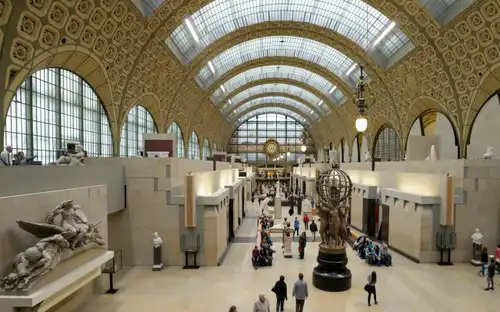
Visitors walk among sculptures in the vaulted glass hall of Musée d'Orsay, with others seated on benches.
4 exhibitions

Musée d'Orsay

  • Paris

Breathtaking Impressionist masterpieces housed within the timeless elegance of a magnificent Parisian station.

Recommended
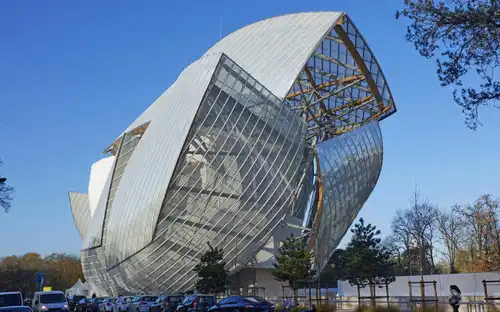
Modern curved glass and metal Fondation Louis Vuitton building under a blue sky with trees and parked cars.
1 exhibition

Fondation Louis Vuitton

  • Paris

Where avant-garde art meets Frank Gehry’s breathtaking glass sails in the heart of Paris.

Recommended
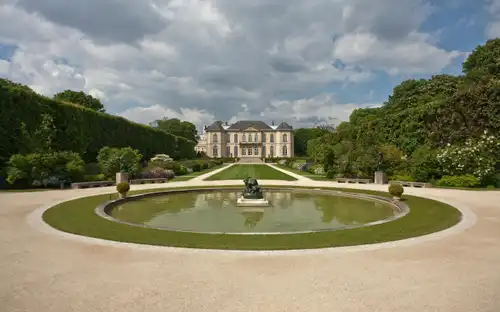
Grand mansion at Musée Rodin viewed through manicured gardens with a central pond, statues, and trimmed bushes.
1 exhibition

Musée Rodin Paris

  • Paris

A historic mansion sanctuary where Rodin’s emotive masterpieces breathe amidst rose-filled gardens.

Recommended
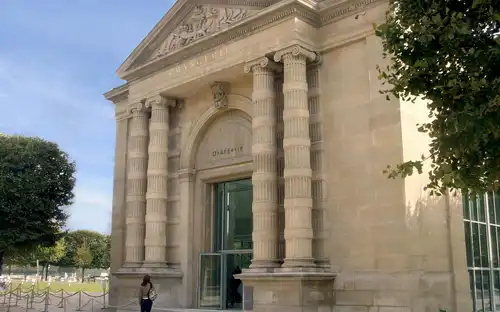
Ornate stone Musée de l'Orangerie entrance with large columns and one person standing near the doorway.
2 exhibitions

Musée de l'Orangerie

  • Paris

A luminous sanctuary where Monets panoramic Water Lilies bloom in timeless Impressionist light.

Recommended
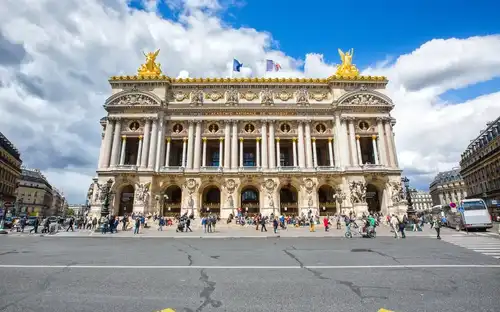
Grand neoclassical Palais Garnier with golden statues and a French flag under a blue sky.
1 exhibition

Palais Garnier

  • Paris

A breathtaking masterpiece of nineteenth-century opulence and legendary Parisian high culture.

Recommended
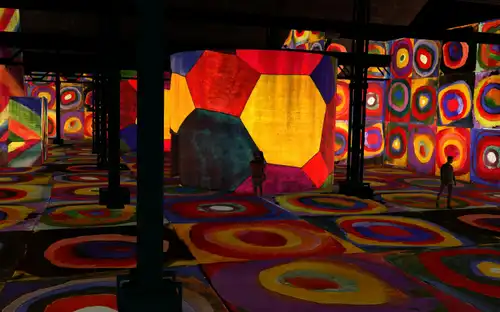
Vibrant abstract projections from the Kandinsky exhibition at the Atelier des Lumières digital art center.
1 exhibition

Atelier des Lumières

  • Paris

Masterpieces come alive through immersive light and sound in a historic Parisian foundry.

Recommended
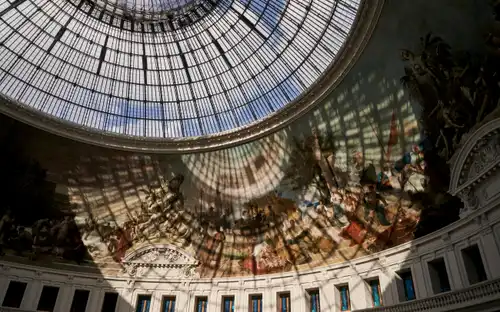
Intricate metal framework of a large glass dome casting shadows on a mural of historical and mythical scenes.
1 exhibition

Bourse de Commerce - Pinault Collection

  • Paris

A sanctuary of contemporary masterpieces housed within a masterfully restored historic dome.

Neoclassical building with tall columns, large windows, outdoor seating, and a statue holding a spear.
2 exhibitions

Musée d'Art Moderne de Paris

  • Paris

A sanctuary of avant-garde masterpieces and evolving contemporary narratives in the heart of Paris.

Historic courtyard at Musée de l'Armée with arched windows and a golden-domed building under a partly cloudy sky.
1 exhibition

Musée de l'Armée & Napoleon's Tomb

  • Paris

France's storied military legacy rests beneath a majestic golden dome of timeless architectural grandeur.

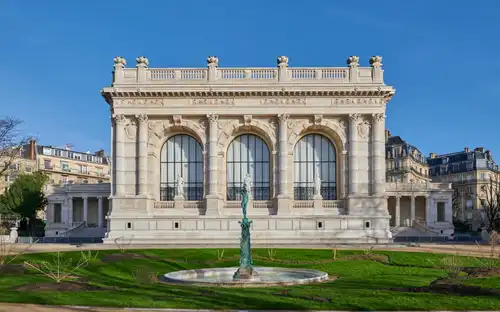
Grand building with arched windows, statues, and a central fountain, surrounded by lawns and city buildings.
2 exhibitions

Palais Galliera

  • Paris

A grand Renaissance palace enshrining the timeless evolution of French fashion and contemporary artistry.

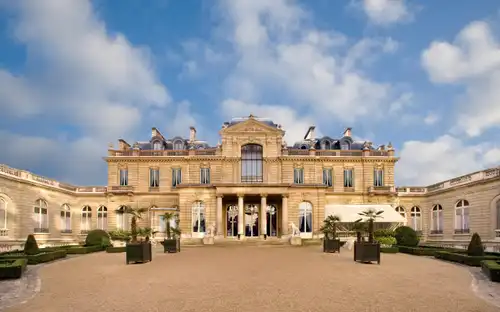
Elegant stone mansion with arched doorways and a columned entrance, set within a manicured courtyard.
1 exhibition

Musée Jacquemart-André

  • Paris

An opulent Haussmann-era mansion housing one of the city's most prestigious private art collections.

Stone Musée National Picasso-Paris with ornate sculptures and large windows under a clear sky from a courtyard.
3 exhibitions

Musée national Picasso-Paris

  • Paris

The profound legacy of the twentieth century’s most iconic artist in the historic Marais.