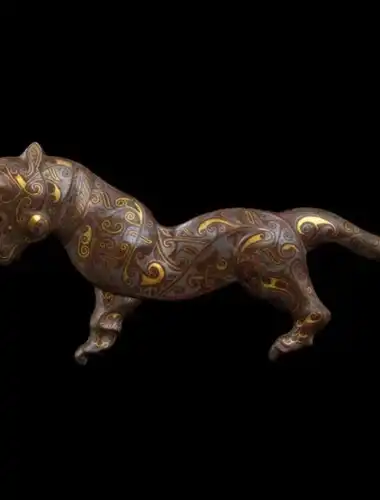
Plumes Du Paradis
- Musée du quai Branly - Jacques Chirac, Paris
22 May - 8 Nov 2026
From€14.00

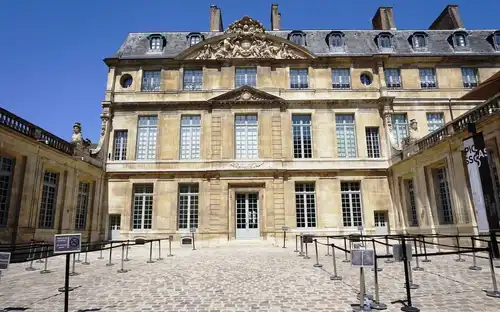
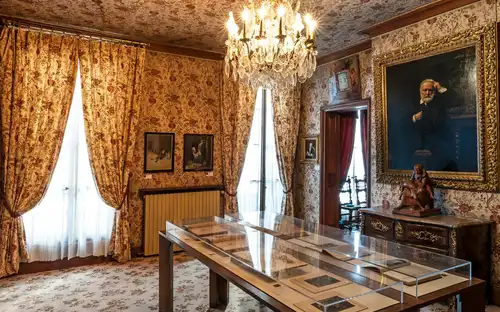
The Musée Jacquemart-André, located on the prestigious Boulevard Haussmann in the 8th arrondissement, is one of Paris’s most exquisite "hidden gems," offering an intimate glimpse into the height of Second Empire opulence. Originally the private residence of Édouard André, the heir to a vast banking fortune, and his wife Nélie Jacquemart, a celebrated society portraitist, this 19th-century hôtel particulier was designed by architect Henri Parent. The couple spent their lives traveling across Europe and the East, amassing what is widely considered the finest private art collection in Paris. Upon her death in 1912, Nélie bequeathed the mansion and its treasures to the Institut de France, stipulating that it be preserved exactly as it was to share their passion with the public.
The museum’s architectural and artistic features are nothing short of theatrical. The State Apartments were designed for grand entertaining, featuring a revolutionary hydraulic system that could retract the walls of the Picture Gallery, Grand Salon, and Music Room to create a single ballroom capable of hosting a thousand guests. Visitors are often most captivated by the Winter Garden, an architectural masterpiece defined by its light-filled glass roof, marble floors, and a magnificent double helix staircase. This area serves as a lush transition to the Italian Museum, which houses a world-class collection of Italian Renaissance masterpieces by legends such as Botticelli, Mantegna, and Donatello, many of which were acquired during the couple’s annual trips to Italy.
Beyond the formal galleries, the Private Apartments offer a rare, humanizing look at the daily lives of the Parisian elite. Decorated in the Louis XV style, these rooms—including the couple’s individual bedrooms and antechamber—remain furnished with original personal items and family portraits, maintaining a warm, lived-in atmosphere that contrasts with the sterile environment of larger institutions. The sensory experience is further enriched by the Dining Room, now home to Le Nélie, one of the city's most beautiful tea rooms. Here, under a monumental ceiling fresco by Giambattista Tiepolo, guests can enjoy refined pastries, truly embodying the art de vivre that the Andrés cherished.
Stepping into the Musée Jacquemart-André is like being invited to an elite 19th-century soirée. The atmosphere is defined by a sense of "eclecticism," where antique furniture, 18th-century French canvases by Fragonard and Boucher, and rare Flemish works by Rembrandt coexist in perfect harmony. Because it remains a home first and a museum second, the experience is profoundly personal; it allows for a quiet, contemplative journey through history without the overwhelming crowds of the Louvre. It stands as a timeless monument to a unique love story—one united by a shared devotion to beauty and the preservation of global cultural heritage.
For the discerning traveler seeking the soul of Paris away from the thundering crowds of the Louvre, the Musée Jacquemart-André is an absolute essential. This is not merely a museum; it is a masterclass in 19th-century "art de vivre" where the boundaries between a private home and a world-class gallery vanish. You aren't just observing history; you are a treasured guest in a lavish Haussmann-era mansion, surrounded by the staggering fruits of a lifetime of travel. From the unparalleled Italian Renaissance collection on the first floor to the intimate Private Apartments that feel as though the owners have just stepped out for a stroll, the experience offers a level of personal connection and refined elegance that larger institutions simply cannot replicate.
The true magic of the estate lies in its theatrical atmosphere, where every room is a sensory revelation. Imagine standing in the Winter Garden, where the soft light filtering through the glass roof illuminates the lush exotic greenery and the graceful curves of the magnificent double helix staircase. Your journey reaches its peak in the former dining room, now the Café Jacquemart-André, where you can savor delicate pastries beneath a monumental Tiepolo fresco. The air is heavy with the scent of history and the visual rhythm of Fragonard’s canvases and Rembrandt’s masterpieces, creating a profound emotional resonance that reminds you why Paris remains the world's undisputed capital of beauty.The Musée Jacquemart-André transcends the traditional museum experience, offering an immersive and intimate portal into a world where profound love and an obsessive devotion to beauty created Paris's most sumptuous private sanctuary.
Morning Solitude in the Grand Salons
Entering the museum immediately at 10:00 AM on weekdays, especially Tuesday through Thursday, provides the most tranquil atmosphere for navigating the narrow corridors and opulent state rooms. Large tour groups often arrive later in the morning, so prioritizing the Italian Museum on the first floor during this initial hour ensures a personal encounter with the masterpieces before the rooms reach capacity.
Luminous Afternoons in the Winter Garden
Natural light is at its most dramatic between 1:00 PM and 3:00 PM, when the sun positions itself perfectly to illuminate the exotic plants and marble statues within the glass-roofed Winter Garden. Planning a late-lunch visit to the café during this window allows you to witness the play of light across the staircase and greenery without the heavy shadows of early morning or the dimming light of late evening.
Extended Monday Night Illumination
Taking advantage of the special late-night openings until 8:30 PM every Monday offers a rare opportunity to see the 19th-century interiors under artificial gallery lighting. Arriving after 6:30 PM typically yields the lowest foot traffic of the week, as most daytime visitors have departed, creating an intimate environment where the gilded boiseries and mirrors reflect the evening glow with exceptional clarity.
To make the most of your visit to the Musée Jacquemart-André, you should budget approximately two hours. This allows enough time to admire the permanent collection, the rotating exhibitions, and to linger over a coffee in the famous tea room. The museum is located at 158 Boulevard Haussmann, and you’ll enter through the grand carriage gate which leads into the main courtyard.
Navigating the Gilded Salons
The flow of the museum is quite intuitive, but following a specific order helps you appreciate the transition from public reception areas to private life.
A Note on Access and Breaks
The Café Jacquemart-André is widely considered one of the most beautiful dining rooms in Paris. Because it is highly popular with locals as well as museum visitors, I recommend heading there slightly before or after the standard lunch hour to secure a table. For the museum itself, keep in mind that the Winter Garden and staircase area are the most photogenic spots, so you may want to loop back there once you've finished the upstairs galleries to capture the light from a different angle.
The museum remains open every day of the year, including Christmas Day, New Year's Day, and public holidays.
Free entry is granted to children under 7 and disabled cardholders with their companions upon presentation of valid proof.
A special early closure occurs at 18:00 on Sunday, May 10.
Located in the heart of the 8th arrondissement near the prestigious Champs-Élysées, the Musée Jacquemart-André is easily accessible from all corners of the city. This opulent mansion sits on Boulevard Haussmann, offering a refined escape within walking distance of major landmarks and high-end shopping districts.
Complete your cultural itinerary with the 10 other top-rated exhibitions in Paris in 2026.
Explore the 9 other top-rated cultural attractions to visit in Paris in 2026.