Alain Keler: Life Stories
- Château de Vincennes, Paris
22 May - 11 Sep 2026
From€13.00
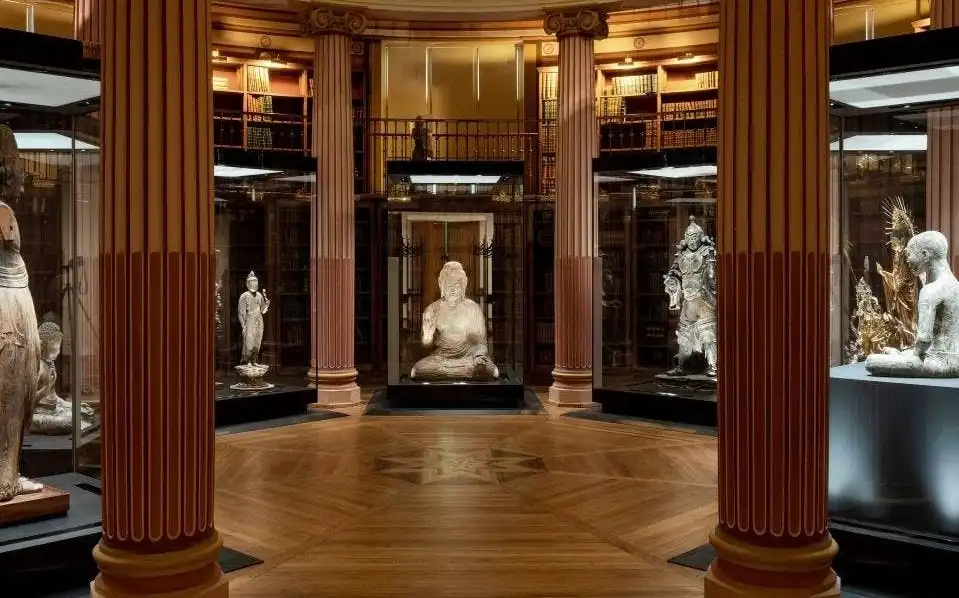
Established in 1889, the Musée National des Arts Asiatiques Guimet (often simply called Musée Guimet) stands as the premier institution for Asian art in Europe and holds one of the most comprehensive collections in the world. The museum was the brainchild of Émile Guimet, a visionary industrialist from Lyon who was captivated by the civilizations he encountered during his extensive travels through Japan, China, and India. Originally intended to explore the religions of the East, the museum's scope expanded significantly over the decades. A pivotal moment in its history occurred in 1945, when it exchanged its Egyptian antiquities with the Louvre for the entirety of that museum's Asian department, effectively consolidating France's most prestigious Eastern treasures under one roof in the 16th arrondissement.
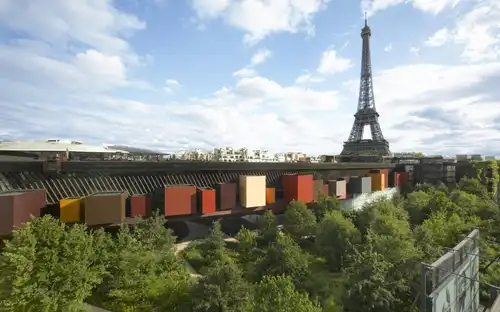
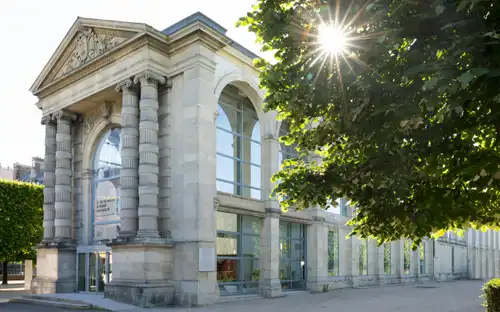
Architecturally, the museum is a masterpiece of light and space, having undergone a transformative renovation in the late 1990s by architects Henri and Bruno Gaudin. Visitors are greeted by a stunning monumental staircase and galleries designed to maximize natural light, creating a serene environment that emphasizes the spiritual and aesthetic qualities of the works on display. A highlight of the structure is the historic Library, topped by a magnificent dome that has been classified as a Monument Historique. For those seeking a moment of modern tranquility, the museum features a panoramic rooftop terrace—the Han Rooftop—offering breathtaking, unobstructed views of the Eiffel Tower and the zinc roofs of Paris.
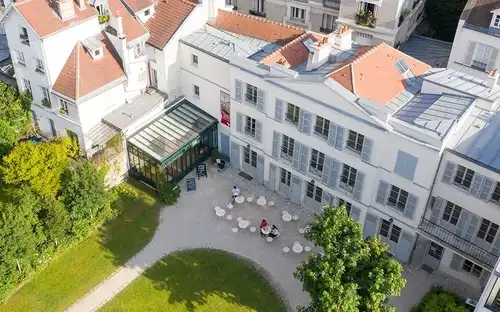
The vast collections take visitors on a five-millennium journey across the continent, from the rugged beauty of Afghanistan and Pakistan to the delicate artistry of Japan and Korea. Notable highlights include the world-renowned Khmer art collection, featuring majestic sculptures from the Angkor period, and an extensive array of Chinese ceramics that trace the evolution of dynasties from the Tang to the Qing. The museum also oversees the nearby Panthéon Bouddhique, housed in a former private mansion, which contains a peaceful Japanese garden and a tea pavilion that offers a rare, meditative escape from the bustling city streets.
The atmosphere within the Musée Guimet is one of quiet contemplation and scholarly wonder. Unlike the often-crowded halls of the more central Parisian landmarks, the Guimet provides a calm space to appreciate the intricate details of samurai armor, serene Buddha statues, and rare textiles. It functions as a vital cultural bridge, hosting regular educational programs, temporary exhibitions such as the K-Beauty showcase, and storytelling tours that breathe life into ancient traditions. For the culturally curious traveler, it offers a unique "voyage to the heart of Asia" without ever leaving the French capital.
While the world flocks to the Louvre’s crowded corridors, the savvy traveler ascends the hill of Chaillot to discover the Musée National des Arts Asiatiques Guimet, an ethereal sanctuary where five millennia of Eastern genius meet Parisian elegance. This isn't merely a museum; it is a limitless cultural odyssey that transports you from the sun-drenched ruins of Angkor to the snow-capped peaks of the Himalayas without ever leaving the 16th arrondissement. Whether you are marveling at the formidable 17th-century samurai armor or standing before the colossal, reclining West Mebon Vishnu, the Guimet offers a rare, intimate encounter with masterpieces that shaped entire civilizations, presented in a space specifically designed to honor their spiritual and aesthetic grandeur.
Stepping into the Guimet is like entering a living poem of light and silence, where the soft glow from the ornate glass ceiling bathes ancient stone deities in a celestial warmth. The emotional weight of the Tibetan Buddhist Shrine Room—arranged with the reverence of a private household—invites a deep, soulful contemplation that is increasingly rare in our bustling world. As you wander through the historic library with its scent of aged wood and wisdom, or find yourself on the panoramic rooftop terrace staring directly into the iron heart of the Eiffel Tower, your senses are continuously awakened by the juxtaposition of Parisian heritage and Asian mysticism. It is a place that rewards the slow looker, offering a tranquil, profound beauty that lingers long after you’ve returned to the city streets.The Musée Guimet is the ultimate Parisian secret, offering a transcendent journey through the soul of Asia and a serene escape into a world of unparalleled artistic grace.
Midweek Sanctuary in the Rotunda
Steering clear of the weekend rush is essential for a peaceful visit to this often-overlooked gem. Arriving on a Wednesday or Thursday morning right at the 10:00 AM opening provides the most serene atmosphere, allowing you to wander through the Khmer sculptures and the library's circular space before tour groups or school parties arrive. Tuesday is not an option as the museum remains closed every week.
Natural Radiance through the Pantheon Skylight
Lighting plays a transformative role in the third-floor galleries and the library area, where expansive glass work allows daylight to flood the interior. Visiting during a sunny afternoon ensures that the intricate textures of the Buddhist artifacts are revealed in high relief, while the panoramic rooftop terrace offers its best photographic potential approximately two hours before closing. Aiming for a late Monday afternoon visit often rewards travelers with the dual benefit of soft, natural illumination and significantly thinner crowds as the workday ends.
If you are looking for a sophisticated alternative to the major crowds of central Paris, the Musée Guimet offers an incredible breadth of Asian history tucked away in the 16th arrondissement. Budgeting about two to three hours is the sweet spot; this allows you to give the permanent collections on the first three floors the attention they deserve while leaving room for a coffee in the garden or a moment on the roof.
Navigating the Asian Odyssey
To make the most of your time, I recommend a thematic ascent. Starting from the ground floor, you can follow the evolution of art across the continent as you physically move upward through the building.
The Smooth Entry Strategy
Getting inside is generally straightforward compared to the Louvre or Orsay, but a little local knowledge goes a long way. The main entrance is located at 6 Place d'Iéna, and if you have any mobility requirements, there is a dedicated accessible ramp located to the left of the main stairs.
While walk-ins are often accommodated, booking a timed-entry ticket online is the best way to bypass the queue at the desk. Keep your belongings light, as security is strict and only small bags are permitted inside the galleries. If you do have a small coat or daypack, take advantage of the free baggage-check service to keep your hands free for taking photos of the stunning Ceramics Hall.
The museum is closed every Tuesday and exceptionally on January 1st, May 1st, and December 25th.
Access to permanent collections and temporary exhibitions is free for everyone on the first Sunday of the month.
The Musée National des Arts Asiatiques Guimet is situated in the heart of the 16th arrondissement at the Place d'Iéna, just a short stroll from the Seine and the Trocadéro. This central location makes the museum exceptionally accessible via Paris's extensive public transit network.
Complete your cultural itinerary with the 23 other top-rated exhibitions in Paris in 2026.
Explore the 19 other top-rated cultural attractions to visit in Paris in 2026.