Colorful block-shaped museum buildings surrounded by lush trees with the Eiffel Tower in the background.

Musée du quai Branly - Jacques Chirac

  • Paris

The Musée du quai Branly - Jacques Chirac in Paris invites visitors on a global anthropological journey through immersive exhibitions featuring art and artifacts from Africa, Asia, Oceania, and the Americas. This architectural marvel, known for its iconic vertical garden, showcases a vast permanent collection spanning from the Neolithic period to the present day.

Recommended
Mannequins display vibrant contemporary African haute couture and textiles in a modern gallery space.

Africa Fashion

  • Musée du quai Branly - Jacques Chirac, Paris
31 Mar - 12 Jul 2026
From€14.00

Africa’s creative ingenuity and global resonance redefined through a legacy of transformative high fashion.

Vibrant Ghanaian signboard paintings and spiritual art by Kwame Akoto displayed in a modern gallery setting.

Kwame Akoto: Almighty God Art Works

  • Musée du quai Branly - Jacques Chirac, Paris
31 Mar - 6 Sep 2026
From€14.00

A fusion of West African sign-painting, profound faith, and captivating social commentary.

African and Oceanic sculptures displayed alongside modern artworks in a Parisian gallery setting.

1913-1923: The Spirit of The Times

  • Musée du quai Branly - Jacques Chirac, Paris
17 Mar - 20 Sep 2026
From€14.00

The defining decade when African and Oceanic arts transformed the vision of modern art.

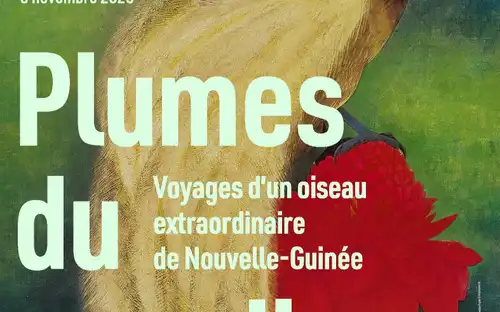
Vibrant birds of paradise and intricate New Guinean feathered headdresses on display at Musée du Quai Branly.

Plumes Du Paradis

  • Musée du quai Branly - Jacques Chirac, Paris
22 May - 8 Nov 2026
From€14.00

Five centuries of fascination told through the extraordinary avian wonders of New Guinea.
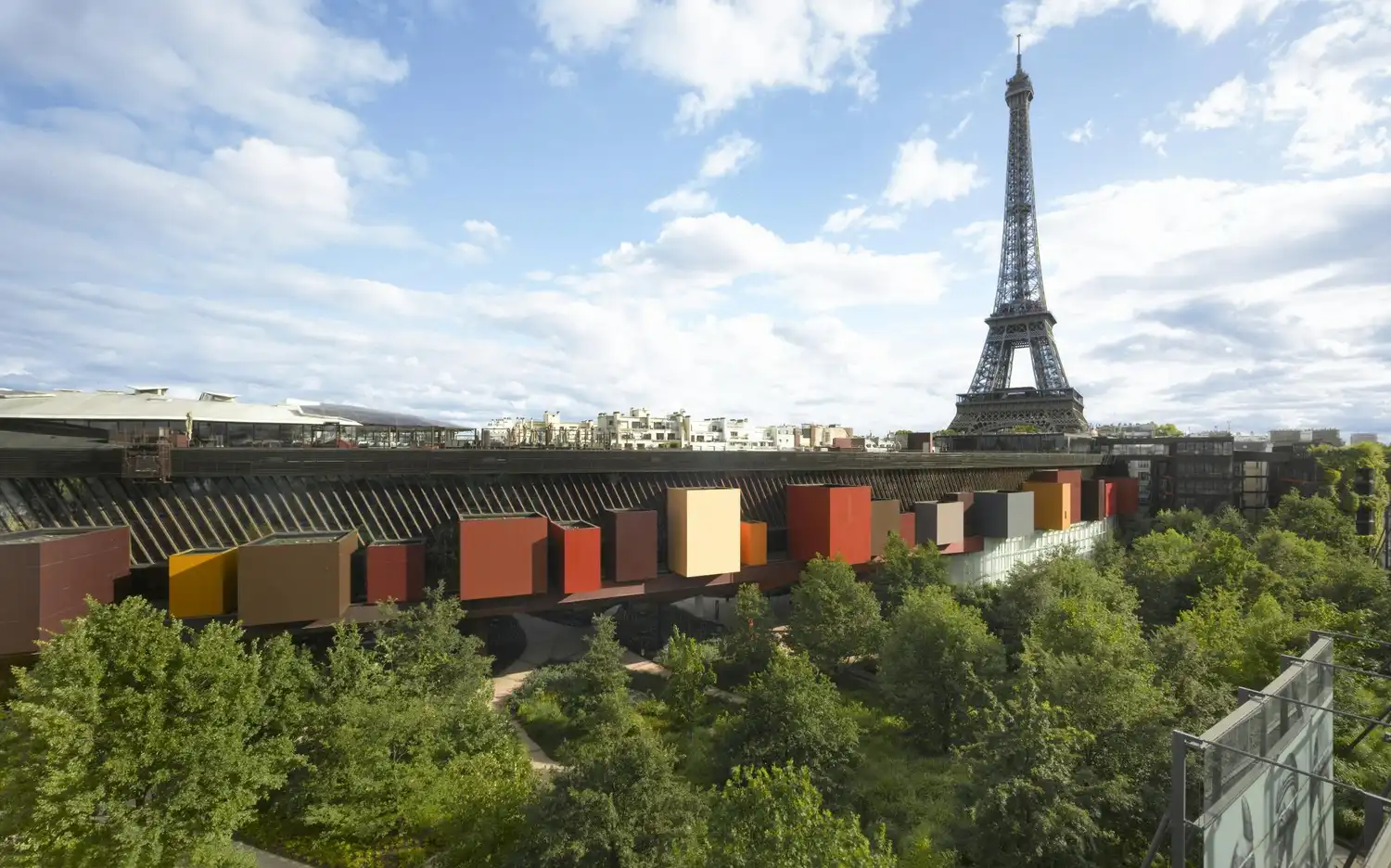
The Musée du quai Branly - Jacques Chirac stands as a bold testament to France's commitment to global cultural dialogue. Inaugurated in 2006 following the vision of President Jacques Chirac, the museum was established to give non-Western arts and civilizations their rightful place in the heart of Paris. It houses a staggering collection of nearly 370,000 artifacts from Africa, Asia, Oceania, and the Americas, merging the historic legacies of the Musée de l'Homme and the National Museum of African and Oceanian Art. This institution serves not just as a repository of objects, but as a symbolic space that celebrates human diversity and challenges long-standing historical hierarchies in the arts.

The architecture itself, masterminded by the Pritzker Prize-winning Jean Nouvel, is a radical departure from traditional museum design. Perched on stilts along the banks of the River Seine, the building features a mysterious facade punctuated by 29 protruding multicolored boxes, each housing a unique gallery space. The exterior is famously defined by the Green Wall (Mur Végétal) designed by botanist Patrick Blanc, a vertical garden featuring over 15,000 plants from around the world. Surrounding the structure is a lush, "wild" garden created by Gilles Clément, where winding paths and high grasses create a secret oasis that shields visitors from the bustling city.

Upon entering, visitors embark on an initiatory museographic route designed to be an immersive, sensorial journey. Unlike classical galleries, the main exhibition space uses a fluid, open-plan layout without rigid partitions, allowing for a "dialogue between cultures" across continents. The lighting is intentionally dim and dramatic, focusing attention on the striking textures and forms of ritual masks, totem poles, and ancient textiles. From the 9th-century Djennenke statue of Mali to the intricate Māori sculptures of New Zealand, the atmosphere is one of profound discovery, inviting guests to explore the common threads of human creativity through a non-European lens.

Beyond its permanent displays, the museum is a vibrant cultural center and research hub. it hosts a dynamic program of temporary exhibitions, concerts, and lectures at the Université Populaire du quai Branly. Visitors can retreat to the Jacques Kerchache Reading Room for scholarly reflection or ascend to the roof terrace to dine at Les Ombres, which offers a panoramic view of the nearby Eiffel Tower. Whether wandering through the vertical garden or exploring the depths of the Americas collection, the experience at Quai Branly is a celebration of the "Other," fostering mutual respect and artistic appreciation in an increasingly uniform world.

Highlights

  • The Plateau des Collections features a vast permanent display of nearly 3,500 works of art from Africa, Asia, Oceania, and the Americas.
  • The stunning Green Wall is a vertical garden on the museum's facade containing 15,000 plants from around the world.
  • The Hall of Musical Instruments houses a diverse global collection of heritage items and sound recordings.
  • The Gardens offer a lush, peaceful retreat with winding paths designed to blend seamlessly with the building's bold architecture.
  • The Gallery of the Five Continents presents non-European artistic traditions alongside Western art in a unique global narrative.
  • The Rooftop Terrace provides visitors with an exceptional close-up view of the nearby Eiffel Tower.

Must-Dos

  • Walk through the glass sound wall along the Seine to experience a peaceful transition from the city's hustle to the museum's quiet sanctuary.
  • Observe the unique architectural stilts that suspend the museum above the ground, creating a sense of weightlessness and open space.
  • Wander through the meandering garden paths at dusk to see the museum’s vibrant colored boxes illuminated against the Parisian sky.
  • Indulge in a Michelin-starred meal at Les Ombres for a poetic culinary journey that blends French tradition with modern refinement.
  • Find a quiet spot near the vertical garden to appreciate the intricate textures of thousands of plants covering the museum's facade.
  • Experience a sunset cocktail on the rooftop to watch the play of light across the city's most iconic landmarks.

Guidelines

  • All visitors are required to pass through security screening and metal detection at the museum entrances.
  • Only small bags are permitted inside the exhibition spaces and must be carried by your side rather than worn on your back.
  • Any items exceeding the allowed size or large umbrellas must be stored in the complimentary cloakroom for the duration of your visit.
  • Casual, non-flash photography and video for personal use are generally permitted within the permanent collection galleries.
  • The use of tripods, monopods, and selfie sticks is strictly prohibited to ensure the safety of the artworks and other visitors.
  • Eating and drinking are not allowed within the gallery spaces to protect the integrity of the museum collections.
  • Children under the age of 18 must be accompanied by an adult chaperone at all times during their visit.

Tips

  • For the best experience with fewer crowds, plan your visit for a Tuesday morning when the museum opens at 10:30 AM.
  • Avoid long queues at the ticket office by booking your timed tickets in advance through the online ticket office.
  • If you are a resident of an EU member state and under 26 years old, you can enter the museum for free.
  • To enjoy a more tranquil atmosphere, try visiting during the late afternoon or evening when the initial morning rush has subsided.
  • Use the entrance at 222, rue de l'Université if you have reduced mobility or require specific accessibility arrangements.
  • Take advantage of the skip-the-line benefits and unlimited access to temporary exhibitions by purchasing an annual pass.
  • Don't miss the chance to stroll through the elevated gardens designed by Jean Nouvel for a peaceful break during your cultural journey.

Why Visit

Beyond the classical facades of the Louvre or the Orsay lies a transformative encounter with the human spirit that no traveler should miss. The Musée du quai Branly - Jacques Chirac isn't merely a destination; it is a sensory portal that transports you from the shadow of the Eiffel Tower to the farthest reaches of the globe. As you navigate the winding paths of its "wild" garden or gaze upon the living tapestry of its massive Green Wall, the city of light fades away, replaced by an unparalleled celebration of non-Western genius and ancestral heritage.

The true magic of the Quai Branly unfolds in the intentional intimacy of its galleries, where the low, dramatic lighting transforms each artifact into a living presence. You don't just view these masterpieces; you feel the resonance of ritual masks and the silent strength of totem poles as they emerge from the darkness. This fluid, barrier-free layout invites an emotional wanderlust, turning a simple museum visit into a profound, multi-sensory odyssey where every texture and form whispers the story of a culture that has shaped our collective identity.The Musée du quai Branly - Jacques Chirac is a breathtaking architectural masterpiece that offers a soul-stirring journey through the vibrant diversity of global civilizations, making it an essential pilgrimage for anyone seeking to understand the universal pulse of human creativity.

When to Visit

Morning Entry to the Plateau des Collections

Entering the museum precisely at 10:30 AM on a Wednesday or Friday provides the clearest access to the long, winding ramp and the main exhibition space. Crowds typically surge after 1:00 PM, so finishing your tour of the primary galleries by midday leaves the quieter garden paths available for a post-lunch stroll. Steering clear of Tuesday is advisable, as the closure of nearby major institutions often redirects high volumes of visitors here.

Nocturnal Views of the Gilded Tower

Planning a visit during the Thursday late-night opening until 10:00 PM transforms the atmospheric quality of the glass-encased exhibits. Arriving around 6:00 PM captures the fading daylight reflecting off the Seine before the museum’s interior spotlights emphasize the textures of the wood and fiber artworks. This specific timing also guarantees prime visibility of the Eiffel Tower’s light show, which becomes a focal point through the museum’s architectural glass as night falls.

How to Visit

When you approach the Musée du quai Branly - Jacques Chirac, skip the main street bustle and look for the glass sound wall along the Seine. To make the most of your day, budget at least two to three hours for the interior galleries and an extra thirty minutes to wander the lush, untamed gardens. If you have pre-booked tickets, head straight to the dedicated security screening to save time before ascending the long, leather-clad ramp that serves as the museum's primary artery.

Navigating the Global Crossroads

The museum’s layout is refreshingly open, doing away with rigid rooms in favor of a fluid journey through four major geographic zones. I recommend starting your exploration with a structured loop to ensure you don't miss the major treasures:

  • Begin in Oceania to see the towering ritual masks and Aboriginal paintings that dominate the first section of the Plateau des Collections.
  • Move through Asia, where you can find intricate Ainu dresses and ceremonial finery showcased in specialized glass cabinets.
  • Continue to the Africa zone to find the 9th-century Djennenke statue, one of the oldest and most significant pieces in the building.
  • Finish in the Americas, which bridges the gap between pre-Columbian artifacts and contemporary indigenous art.

The Secret to the Best Eiffel View

While the artifacts are the main draw, the architecture by Jean Nouvel offers one of the best hidden perks in Paris. After you’ve explored the permanent collections, take the lift to the roof terrace. Whether you're dining at Les Ombres or just stepping out for a moment, the panoramic view of the Eiffel Tower from this vantage point is arguably the best in the city. If you're visiting with children, make sure to stop by the reception desk first to pick up a free My Little Explorer Bag, which contains games and tools to keep younger travelers engaged while you dive into the history.

Schedules

Opening Hours

  • The Musée du quai Branly - Jacques Chirac is open Tuesday to Sunday from 10:30 to 19:00.
  • On Thursdays, the museum offers late-night hours until 22:00.
  • Last entry is permitted up to one hour before the museum closes.
  • The venue remains closed every Monday except during certain school holiday periods.

Special Days

The museum is exceptionally closed on May 1st and December 25th.

Entrance is free for all visitors on the first Sunday of every month.

On public holidays like January 1st, the venue typically remains open from 10:30 am to 7:00 pm.

How to get there

Nestled in the 7th arrondissement on the banks of the Seine, the Musée du quai Branly - Jacques Chirac is easily accessible and sits just steps away from the iconic Eiffel Tower. This architectural gem is well-served by a variety of public transport links, offering scenic routes through the heart of Paris.

  • RER: Line C to Pont de l'Alma or Champ de Mars - Tour Eiffel
  • Metro: Line 9 to Alma-Marceau or Iéna, or Line 6 to Bir-Hakeim
  • Bus: Lines 42, 63, 72, 80, or 92 to the Musée du quai Branly or Pont de l'Alma stops
  • Batobus: Hop off at the Eiffel Tower station for a short walk along the riverfront
Directions

Frequently Asked Questions about Musée du quai Branly - Jacques Chirac

The Musée du quai Branly - Jacques Chirac provides free self-service lockers and a cloakroom for visitors to store coats and small personal items. However, for security reasons, large suitcases and bulky luggage are not permitted inside the ethnographic museum and cannot be stored on-site.
Yes, the museum is fully accessible for strollers and pushchairs. While you can use your own, the museum also offers free stroller loans at the cloakroom to help you navigate the 'initiatory museographic route' and Jean Nouvel architecture comfortably.
For the best views, head to the roof terrace restaurant 'Les Ombres' for a panoramic shot of the Eiffel Tower. Additionally, the 'Green Wall' (Mur Végétal) on the facade and the winding paths of the lush gardens designed by Gilles Clément offer stunning backdrops for photography.
Access to the lush 'wild' garden and the exterior view of the iconic 'Green Wall' is free of charge. However, a valid admission ticket is required to enter the main building, explore the permanent collections of indigenous art, or attend specific Paris museum exhibitions.
The museum offers a combined ticket that includes access to both the permanent collections of African art and Oceanic culture as well as any current temporary exhibitions. It is highly recommended to book your time slot online in advance to ensure entry during peak hours.
To protect the sensitive 370,000 artifacts, including ancient textiles and ritual masks, photography for personal use is permitted but the use of flash, tripods, and 'selfie sticks' is strictly prohibited throughout the exhibition spaces.
The lighting in the Plateau des Collections is intentionally dim to create a sensorial journey and to preserve fragile organic materials like American tribal art and Asian artifacts. This dramatic atmosphere is a key feature of Jean Nouvel architecture, focusing attention on the textures of the works.
Yes, the Musée du quai Branly - Jacques Chirac offers dedicated family tours, workshops, and game-booklets designed to introduce younger visitors to human diversity and global cultures in an engaging way. Check the cultural center schedule for seasonal family programs.
To fully appreciate the vast range of African art, Oceanic culture, and Asian artifacts, you should allocate at least 2 to 3 hours. If you also plan to explore the temporary exhibitions and the gardens, a half-day visit is recommended.
Archaeological artifacts from the Seine riverbed displayed in the underground crypt beneath Notre-Dame cathedral.
Sculptures of 20th-century conflict in the modernist Ateliers-musee Chana Orloff gallery in Paris.
Recommended
Digital art projections of Da Vinci and Michelangelo masterpieces illuminate a large immersive gallery space.
A selection of delicate pencil and pastel sketches by Pierre-Auguste Renoir displayed in a gallery.
Antique Korean beauty accessories and traditional paintings displayed in a modern museum gallery at Musée Guimet.
Vibrant interactive garden chapter at Cité des sciences featuring lush plants and sensory science displays.
Recommended
Elegant 18th-century gowns and contemporary couture on display in a grand gallery at Palais Galliera.
Vibrant avant-garde artwork and a Dreamachine light installation on display at the Brion Gysin exhibition in Paris.
Musicians perform an open-air concert on a stage surrounded by the lush trees of Jardin d'Acclimatation in Paris.
Recommended
Vibrant oil painting of a couple dancing outdoors in a sunlit, crowded Parisian cafe by Pierre-Auguste Renoir.
Self-portrait of Gustave Courbet with his black dog at the Artists’ Faces exhibition in the Petit Palais.
Intricate fantastical maps displayed in a gallery exploring the links between cartography and imagination.
Recommended
Visitors walk among sculptures in the vaulted glass hall of Musée d'Orsay, with others seated on benches.
4 exhibitions

Musée d'Orsay

  • Paris

Breathtaking Impressionist masterpieces housed within the timeless elegance of a magnificent Parisian station.

Recommended
Modern curved glass and metal Fondation Louis Vuitton building under a blue sky with trees and parked cars.
1 exhibition

Fondation Louis Vuitton

  • Paris

Where avant-garde art meets Frank Gehry’s breathtaking glass sails in the heart of Paris.

Recommended
Grand mansion at Musée Rodin viewed through manicured gardens with a central pond, statues, and trimmed bushes.
1 exhibition

Musée Rodin Paris

  • Paris

A historic mansion sanctuary where Rodin’s emotive masterpieces breathe amidst rose-filled gardens.

Recommended
Ornate stone Musée de l'Orangerie entrance with large columns and one person standing near the doorway.
2 exhibitions

Musée de l'Orangerie

  • Paris

A luminous sanctuary where Monets panoramic Water Lilies bloom in timeless Impressionist light.

Recommended
Grand neoclassical Palais Garnier with golden statues and a French flag under a blue sky.
1 exhibition

Palais Garnier

  • Paris

A breathtaking masterpiece of nineteenth-century opulence and legendary Parisian high culture.

Recommended
Vibrant abstract projections from the Kandinsky exhibition at the Atelier des Lumières digital art center.
1 exhibition

Atelier des Lumières

  • Paris

Masterpieces come alive through immersive light and sound in a historic Parisian foundry.

Recommended
Intricate metal framework of a large glass dome casting shadows on a mural of historical and mythical scenes.
1 exhibition

Bourse de Commerce - Pinault Collection

  • Paris

A sanctuary of contemporary masterpieces housed within a masterfully restored historic dome.

Neoclassical building with tall columns, large windows, outdoor seating, and a statue holding a spear.
2 exhibitions

Musée d'Art Moderne de Paris

  • Paris

A sanctuary of avant-garde masterpieces and evolving contemporary narratives in the heart of Paris.

Historic courtyard at Musée de l'Armée with arched windows and a golden-domed building under a partly cloudy sky.
1 exhibition

Musée de l'Armée & Napoleon's Tomb

  • Paris

France's storied military legacy rests beneath a majestic golden dome of timeless architectural grandeur.

Grand building with arched windows, statues, and a central fountain, surrounded by lawns and city buildings.
2 exhibitions

Palais Galliera

  • Paris

A grand Renaissance palace enshrining the timeless evolution of French fashion and contemporary artistry.

Exhibit wall with multilingual text about Georges Méliès, surrounded by framed portraits and illustrations.
1 exhibition

La Cinémathèque Française

  • Paris

A stunning Frank Gehry masterpiece housing the world's most prestigious collection of cinematic treasures.

Elegant stone mansion with arched doorways and a columned entrance, set within a manicured courtyard.
1 exhibition

Musée Jacquemart-André

  • Paris

An opulent Haussmann-era mansion housing one of the city's most prestigious private art collections.