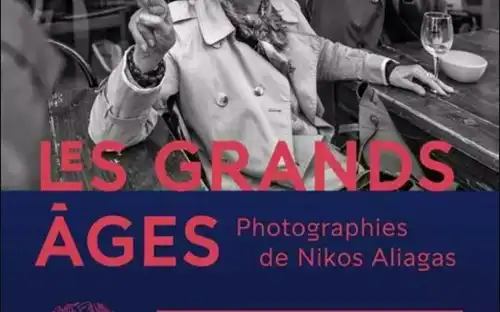
The Great Ages
- Musée de l’Homme, Paris
8 Apr - 3 Jan 2027
From€15.00
A refined odyssey through the transformative epochs of human history.
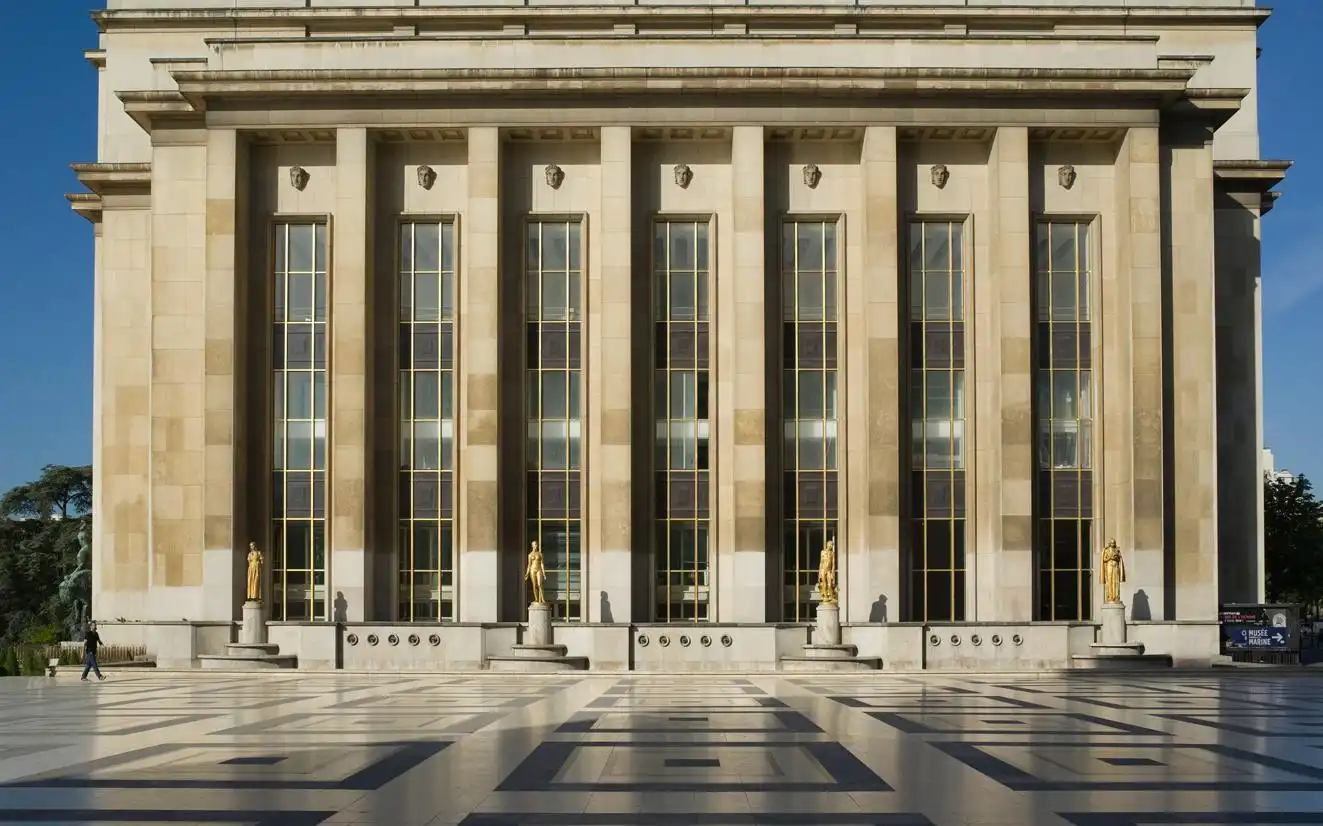
Discover the current major exhibition showing at Musée de l’Homme in 2026.
Perched majestically within the Palais de Chaillot on the Place du Trocadéro, the Musée de l’Homme stands as a premier world institution dedicated to the vast narrative of humanity. Established in 1937 by anthropologist Paul Rivet for the Exposition Internationale, it succeeded the 19th-century Trocadéro Museum of Ethnography. Historically, the museum holds a place of profound national pride, not only for its scientific contributions but for its role during World War II, when its staff formed the Musée de l'Homme Resistance Network, one of the first organized efforts against the Nazi occupation of Paris.
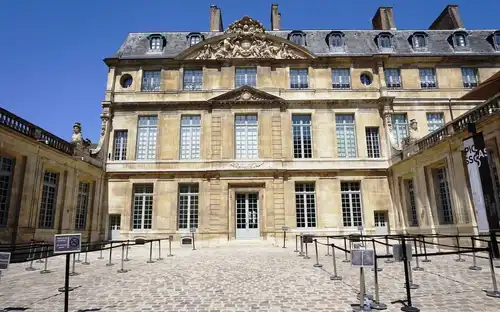
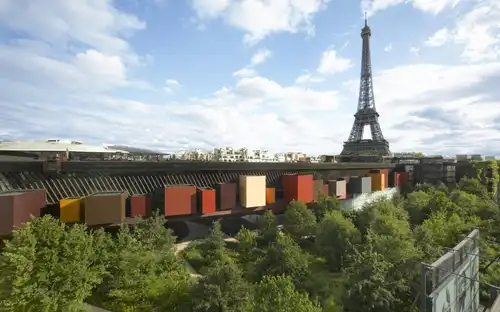
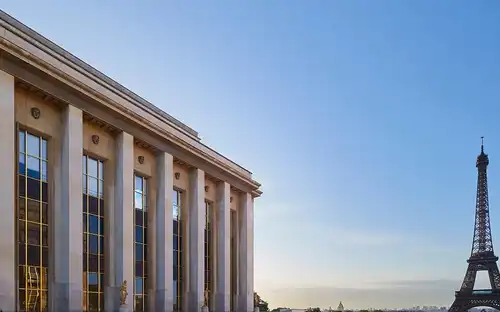
The museum’s architecture is a stunning example of 1930s Neoclassical design, featuring the elegant, sweeping wings of the Palais de Chaillot that replaced the older Trocadéro Palace. Visitors are greeted by an imposing facade adorned with sculptural groups and philosophical inscriptions by the poet Paul Valéry. One of the most breathtaking artistic features of the site is the Science Balcony, a contemporary glass-and-steel structure that provides an airy, light-filled contrast to the monumental stone, offering a world-class view of the Eiffel Tower and the Jardins du Trocadéro.
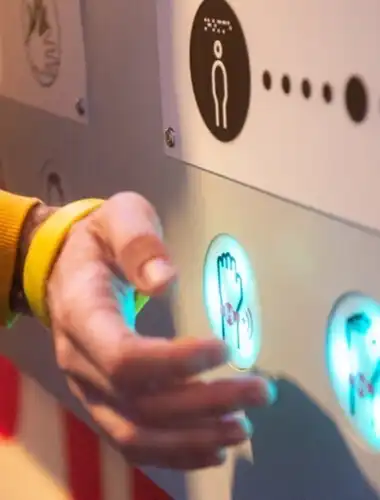
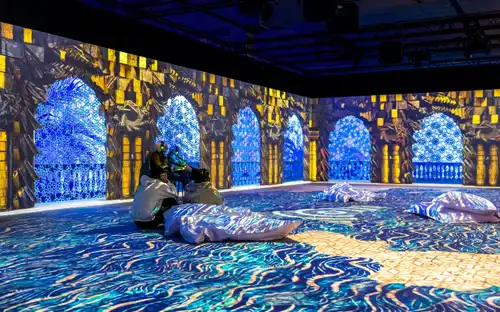
Inside, the atmosphere is one of profound intellectual discovery and quiet contemplation. The permanent exhibition, the Galerie de l’Homme, is organized around three existential pillars: Who are we? Where do we come from? Where are we going? This immersive space blends prehistoric treasures—such as the Cro-Magnon remains and the Venus of Lespugue—with biological and cultural anthropology. The environment is designed to be both high-tech and human-centric, using multimedia installations to explain the shared genetic heritage and diverse cultural expressions of the human species.
A visit to the Musée de l’Homme offers a unique sense of scale, connecting the individual to the global history of Homo sapiens. Whether you are examining the Skull of René Descartes or exploring temporary exhibits on human migration and climate change, the museum fosters a humbling awareness of human unity and fragility. The journey typically culminates at the Café de l’Homme, where the floor-to-ceiling windows offer a legendary vista of Paris, grounding the museum's deep-time scientific inquiries in the vibrant, living beauty of the modern city.
Beyond the typical tourist trail lies the Musée de l’Homme, an essential sanctuary for anyone seeking to understand the true essence of our species. While others queue for hours nearby, you can stand face-to-face with the Cro-Magnon remains or marvel at the enigmatic Venus of Lespugue, artifacts that bridge tens of thousands of years in a single heartbeat. From the philosophical weight of René Descartes’ skull to the avant-garde Science Balcony, this institution offers a masterclass in human identity, blending high-tech interactivity with a curated selection of history’s most significant biological treasures. It is not merely a museum; it is a mirrors-edge encounter with the very definition of being human.
The experience is a profound sensory journey that begins with the Wall of Tongues, where a tapestry of global voices washes over you, highlighting the melodic diversity of our shared existence. As you move through the galleries, the tactile history of the Palais de Chaillot’s Art Deco architecture and the thrill of peering through glass floors into the building's structural past ground your exploration in a tangible reality. The emotional crescendo inevitably occurs on the outdoor terraces; here, the weight of human history meets the ethereal beauty of modern Paris, providing a panoramic vista of the Eiffel Tower that is arguably the most breathtaking in the city.A visit to the Musée de l’Homme is a transformative pilgrimage that reconstructs the broken timeline of our past to illuminate the boundless potential of our collective future.
Anthropology in the Morning Light
Strategic scheduling is essential for managing crowd density and ensuring a peaceful exploration of the human evolution galleries. Arriving between 11:00 AM and 12:00 PM allows you to stay ahead of the peak afternoon tourist influx. The natural light filtering through the museum's glass features is most balanced during these earlier hours, providing clear visibility of the intricate fossil collections without the harsh glare that can occur as the sun moves directly overhead.
Midweek Archaeological Calm
Opting for a visit on Wednesday or Thursday significantly reduces the likelihood of encountering large school groups or weekend crowds. Since the museum remains closed on Tuesdays, the following day occasionally sees a slight uptick in visitors, making Thursday the prime choice for those seeking near-total solitude among the artifacts. Planning your exit for the late afternoon avoids the general Trocadéro congestion that builds up around sunset when photographers flock to the exterior esplanade.
Visiting the Musée de l’Homme is one of the smartest moves you can make in the 16th arrondissement. While the crowds are busy jostling for photos on the Trocadéro esplanade, you can slip into the Palais de Chaillot for a deep dive into what makes us human. To get the most out of the experience, budget about two hours; this gives you enough time to engage with the interactive stations without feeling rushed.
Navigating the Human Story
The museum is designed with a very intuitive flow that leads you through three core questions: Who are we? Where do we come from? And where are we going? I recommend following this logical sequence to see the narrative arc of our species.
The Scenic Shortcut
The main entrance is located at 17 Place du Trocadéro, easily accessible via the Trocadéro Metro station (Lines 6 and 9). Since the museum is often less crowded than its neighbors, the security line is generally manageable, but having a pre-booked ticket ensures you can bypass the main box office queue. Before you head out, make sure to visit the second-floor windows or the Café de l’Homme terrace; it provides a stunning, unobstructed angle of the Eiffel Tower that most tourists miss.
The museum is closed on Tuesdays and specifically on January 1st, May 1st, July 14th, and December 25th.
Free entry is offered to EU residents under 26 and all children under 18, and special free access events like the Night of Museums occur annually.
Public holiday openings include Ascension Day, Easter Monday, August 15th, and November 11th from 11 am to 7 pm.
The Musée de l’Homme is elegantly situated within the Palais de Chaillot on the Place du Trocadéro, offering a premier cultural destination in the 16th arrondissement with breathtaking views of the Eiffel Tower. Its central location makes it exceptionally accessible via Paris's extensive public transit network, ensuring a seamless journey for all visitors.
Complete your cultural itinerary with the 9 other top-rated exhibitions in Paris in 2026.
Explore the 8 other top-rated cultural attractions to visit in Paris in 2026.