

Plumes Du Paradis
- Musée du quai Branly - Jacques Chirac, Paris
22 May - 8 Nov 2026
From€14.00
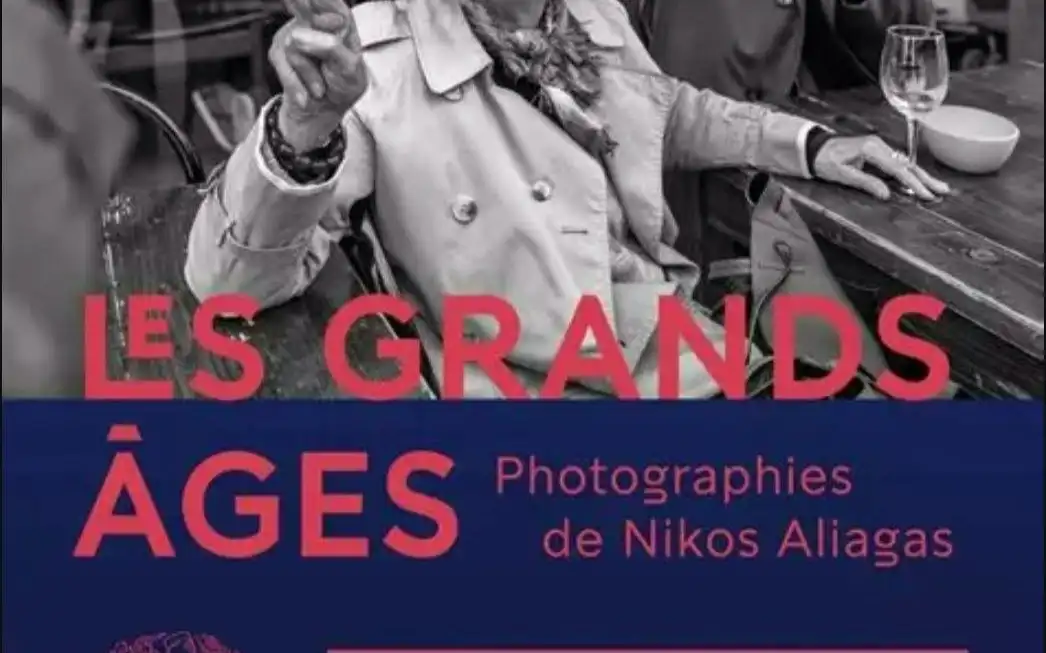
The exhibition The Great Ages (Les grands âges) at the Musée de l'Homme represents a sophisticated curatorial dialogue between the precision of scientific inquiry and the evocative power of visual art. By bridging the gap between the forensic and the intimate, the showcase explores the multifaceted reality of longevity through three central thematic pillars: The Natural History of Old Age, Old Age Today, and What About Tomorrow?. This multidisciplinary approach, curated in the Foyer Germaine Tillion, moves beyond clinical observation to treat aging as a constructed social and biological narrative, challenging the contemporary "anti-aging" zeitgeist with a profound acceptance of the passing of time.
At the heart of this installation is an unprecedented collaboration between the esteemed photographer Nikos Aliagas and the biodemographer Samuel Pavard. Aliagas contributes a series of striking portraits and everyday scenes that capture the dignity and silent stories etched into the faces of the elderly. These images are intentionally left unaltered, serving as a powerful counterpoint to a culture obsessed with aesthetic preservation. Interwoven with these poetic visuals is the rigorous research of Pavard, whose scientific reflections on memory, demography, and health provide a structural backbone, transforming the gallery into a space where biological reality and human emotion coexist.
The historical significance of the exhibition lies in its ability to contextualize the evolution of the human species through the lens of intergenerational transmission. By displaying artifacts such as dental casts, skeletal measurements, and archival field notebooks, the curation illustrates how age categories are not fixed but are built through institutional habits and social perceptions. It highlights the essential role that older generations have played throughout history, even in eras of shorter life expectancy, and confronts how modern challenges—such as global crises, epidemics, and rising life expectancy—are reshaping the social contract and our collective responsibility toward the elderly.
Ultimately, The Great Ages achieves a deep emotional resonance by fostering intergenerational solidarity and reflection. The exhibition invites visitors to meet the gaze of subjects whose eyes tell "a thousand stories," encouraging a shift from fear and stigmatization to tenderness and respect. Through its inclusion of mobility aids as everyday technologies and intimate testimonies, the showcase reminds us that the "great ages" are a shared human destination. It concludes as a poignant meditation on the place of the elderly in society, leaving the public to contemplate their own relationship with time and the beauty of a life well-lived.
Unveil the mysteries of human evolution at the Musée de l’Homme, a premier anthropology museum in Paris originally founded for the 1937 Exposition Internationale. This iconic cultural landmark hosts captivating exhibitions that trace the history of mankind within the stunning architectural setting of the Palais de Chaillot.
The museum is closed on Tuesdays and specifically on January 1st, May 1st, July 14th, and December 25th.
Free entry is offered to EU residents under 26 and all children under 18, and special free access events like the Night of Museums occur annually.
Public holiday openings include Ascension Day, Easter Monday, August 15th, and November 11th from 11 am to 7 pm.
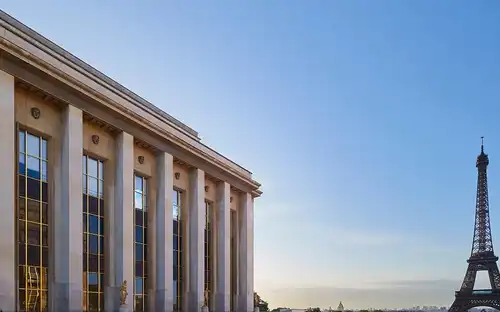
The Musée de l’Homme is elegantly situated within the Palais de Chaillot on the Place du Trocadéro, offering a premier cultural destination in the 16th arrondissement with breathtaking views of the Eiffel Tower. Its central location makes it exceptionally accessible via Paris's extensive public transit network, ensuring a seamless journey for all visitors.
Complete your cultural itinerary in 2026 with the 9 other top-rated exhibitions in Paris.
Don't miss the 8 iconic cultural landmarks that define Paris in 2026.