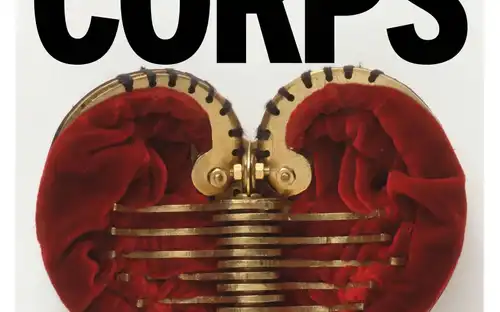
Normes Corps
- Le Palais de Tokyo, Paris
3 Apr - 13 Sep 2026
From€13.00
An avant-garde exploration challenging contemporary norms through abstract art and diverse minority voices.
Discover the current major exhibition showing at Le Palais de Tokyo in 2026.
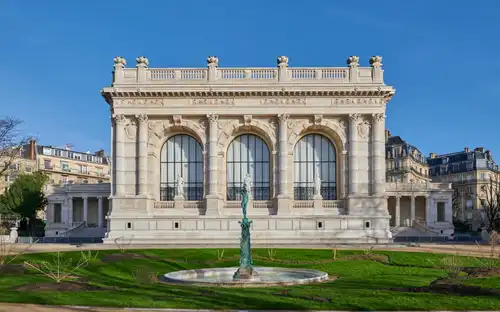
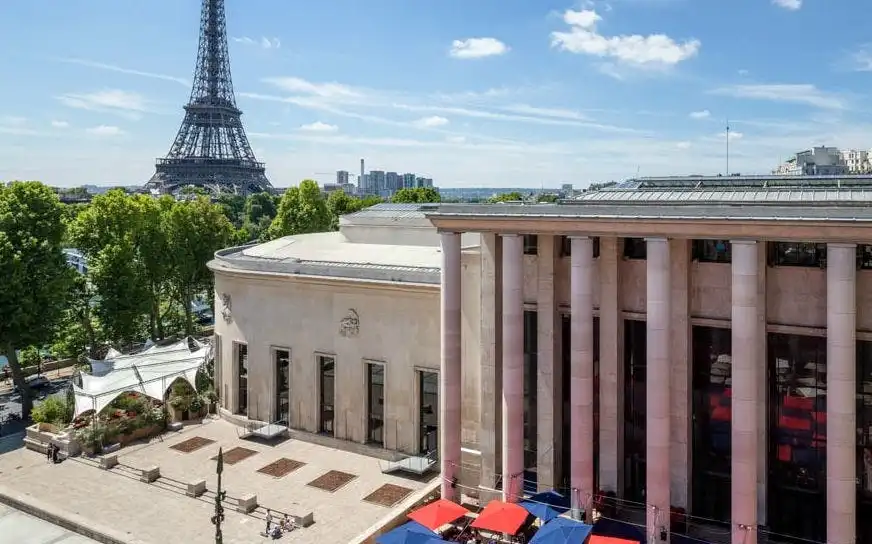
The Palais de Tokyo, situated in the heart of the 16th arrondissement between the Eiffel Tower and the Champs-Élysées, is a radical departure from the traditional Parisian museum experience. Originally constructed for the 1937 International Exposition of Art and Technology, the building was designed to house the Musée National d'Art Moderne in its west wing. After decades of hosting various institutions, it was reimagined in 2002 as a dedicated site for contemporary creation. Following a massive renovation in 2012 by architects Anne Lacaton and Jean-Philippe Vassal, it solidified its status as the largest contemporary art center in Europe, offering a staggering 22,000 square meters of space focused entirely on temporary exhibitions and emerging artists.
Architecturally, the Palais is a study in contrasts, featuring a stately Art Deco exterior that gives way to a raw, industrial interior. Unlike the gilded halls of the Louvre, this "anti-museum" celebrates an unfinished aesthetic characterized by exposed steel beams, stripped concrete walls, and vast open galleries that feel more like an artist's studio or a "rebellious wasteland" than a formal institution. This stripped-back design provides a neutral, flexible backdrop for monumental installations, experimental video art, and avant-garde performances that challenge the traditional boundaries of artistic expression.
The atmosphere at the Palais de Tokyo is famously "effervescent, audacious, and pioneering." Visitors are immersed in a space that is in a state of permanent transformation, where the unexpected is the norm. The experience is designed to be visceral and inclusive, emphasized by its late-night hours—open until midnight every Thursday—and its commitment to institutional permaculture, which explores the intersection of art and mental health through its new hamo space for inclusion. Whether you are exploring the cutting-edge exhibitions, browsing the curated selections at the Librairie, or enjoying the iconic view of the Eiffel Tower from the terrace of Monsieur Bleu, the Palais offers a dynamic, living encounter with the art of our time.
Forget everything you thought you knew about the stuffy, hushed corridors of traditional Parisian museums and prepare to be jolted into the present at the Palais de Tokyo. This is not a graveyard for the past; it is a living, breathing laboratory of the now, where the walls still hum with the energy of the artists currently dismantling them. As the largest center for contemporary creation in Europe, it offers a radical, unpolished alternative to the gilded excess of the Right Bank, inviting you to wander through a cavernous "anti-museum" that feels more like a creative riot than an exhibition. Here, the art doesn't just hang on the wall—it explodes, provokes, and breathes, and because the doors stay open until midnight, you can witness the pulse of the French avant-garde long after the sun sets over the Seine.
A Multi-Sensory Descent into Artistic Audacity
To step inside is to undergo a visceral shift in perception, where the scent of fresh paint and industrial concrete replaces the smell of floor wax, and the silence of the gallery is broken by vibrant, experimental soundscapes. You don't just "see" an exhibition here; you feel the raw vibration of monumental installations that dwarf the human form, navigating a maze of stripped-back architectural bones that make every visit feel like an urban exploration. It is a place of profound emotional collision, where the grit of the basement's hidden street art meets the Art Deco elegance of its soaring colonnades, culminating in a sensory crescendo on the terrace as the Eiffel Tower sparkles against the velvet Parisian night.The Palais de Tokyo is a transgressive, midnight sanctuary where the traditional boundaries of art are shattered to reveal the raw, pulsating heart of contemporary human expression.
Late Night Avant-Garde Exploration
Le Palais de Tokyo distinguishes itself with exceptionally late operating hours, remaining open from 12:00 PM until midnight every day except Tuesday. Arriving after 8:00 PM allows you to navigate the expansive, raw concrete spaces with minimal interference from the daytime tourist flux. This "after-hours" period transforms the museum into a contemplative environment where the experimental works can be viewed in a state of near-solitude.
Zenithal Glow and Industrial Shadows
Natural light plays a significant role in the venue's aesthetic due to its architectural design featuring overhead glazing. Visiting during the midday hours ensures that the zenithal light from the roof apertures reaches deep into the galleries, reducing harsh shadows and providing high luminance even on overcast days. Photographers should aim for the late afternoon to catch the sun as it descends toward the western-facing facade, casting dramatic, warm light through the building's columns and onto the courtyard.
Midweek Entry and Tuesday Closures
The museum is closed every Tuesday, which often leads to a slight increase in foot traffic on Monday and Wednesday. Scheduling your visit for a Thursday or Friday afternoon typically yields the thinnest crowds, as the weekend rush has not yet begun and the initial midweek peak has subsided. Planning your arrival for 12:00 PM sharp on these days provides a window of approximately two hours before the afternoon art student and local professional groups arrive.
Navigating the sprawling landscape of Le Palais de Tokyo requires a bit of a game plan. Unlike the structured wings of the Louvre, this venue is a massive, shifting environment. To truly absorb the rotation of experimental installations without feeling like you've run a marathon, you should set aside a solid three to four hours. This gives you enough breathing room to linger in the larger halls and still have energy for a coffee on the terrace afterward.
Finding the Front Door
Most travelers get turned around on the Avenue du President Wilson, but the primary access point is the Main Entrance located at 13, Avenue du Président Wilson. If you have already secured your tickets online, keep an eye out for the priority lane; it typically bypasses the main queue for the ticket desk, leaving you with just the standard security bag check to navigate.
Mapping Your Exploration
The interior layout can feel like a labyrinth, so it is often best to move through the levels in a logical sequence to ensure you don't miss the hidden nooks.
Practical Perks and Pitstops
Don't forget that the venue is home to some fantastic culinary spots that are worth the visit alone. If you need a break between exhibitions, Monsieur Bleu offers a sophisticated atmosphere, but for something more casual and quick, the on-site cafeteria provides a great spot to sit and review your photos. If you're looking for a unique souvenir, the bookstore near the entrance is widely considered one of the best in Paris for specialized art and design publications.
The Palais de Tokyo is closed to the public every Tuesday.
Annual closures are observed on January 1st, May 1st, and December 25th.
The venue closes early at 6:00 pm on December 24th and December 31st.
The museum remains open on public holidays including Ascension Day, August 15th, and July 14th.
Visitors can attend on Easter Monday, Easter Sunday, May 8th, November 11th, and Whit Monday.
A special late-night event is held for Museum Night on Saturday, May 23, 2026.
Situated in the prestigious 16th arrondissement along the banks of the Seine, Le Palais de Tokyo offers exceptional accessibility between the Eiffel Tower and the Champs-Élysées.
Complete your cultural itinerary with the 58 other top-rated exhibitions in Paris in 2026.
Explore the 39 other top-rated cultural attractions to visit in Paris in 2026.