

Alain Keler: Life Stories
- Château de Vincennes, Paris
22 May - 11 Sep 2026
From€13.00
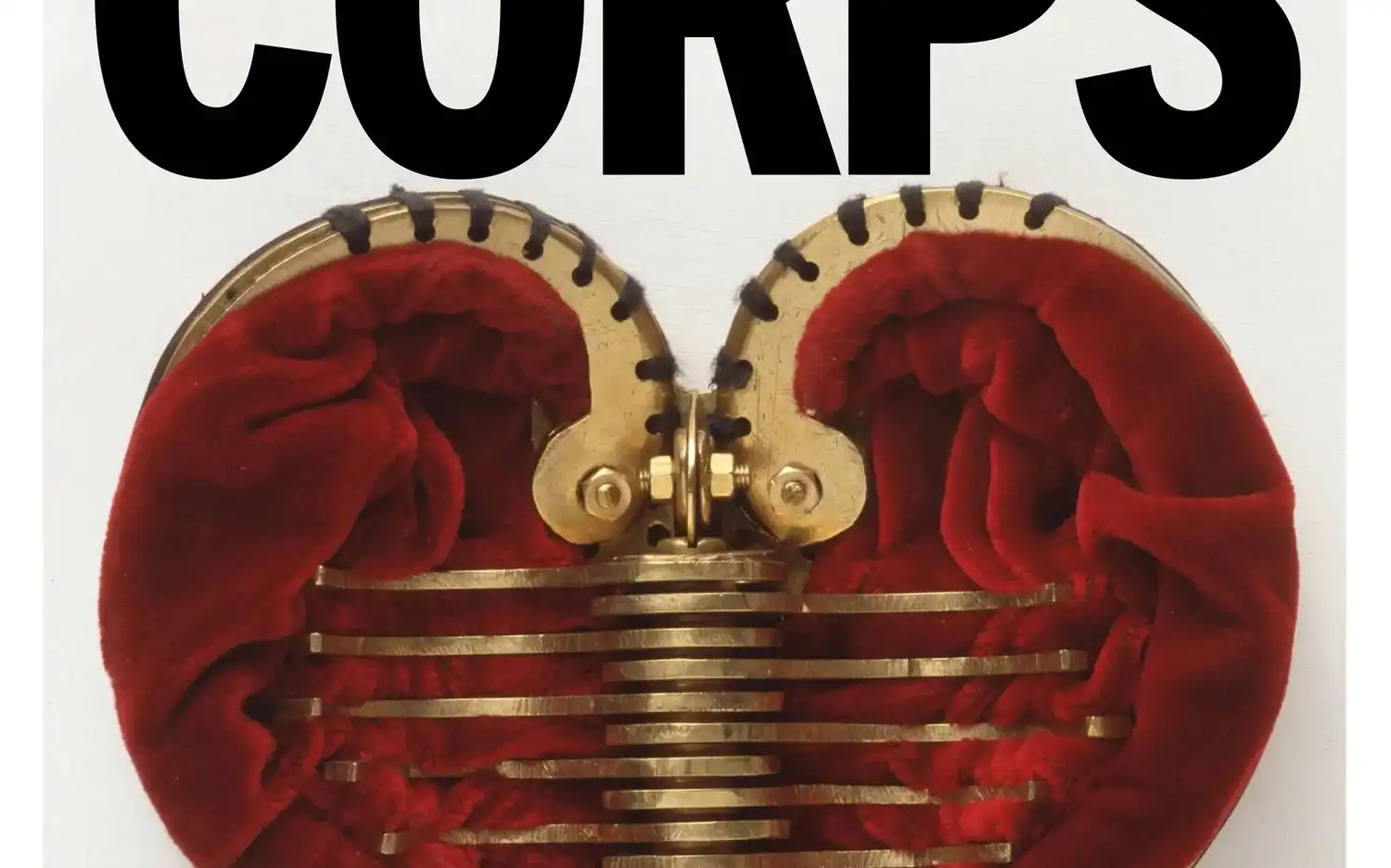
The Normes Corps season at the Palais de Tokyo represents a profound curatorial shift toward the radical recognition of vulnerability, fragility, and disability as central to the human experience. Running from April to September 2026, this ambitious cycle of exhibitions challenges the pervasive "ableist" structures of Western society—systems that historically prioritize speed, autonomy, and hyper-productivity. By positioning deviation from the norm not as a marginal defect but as a creative and subversive force, the curation invites us to dismantle the psychological and physical hierarchies that categorize bodies as either "normal" or "abnormal."
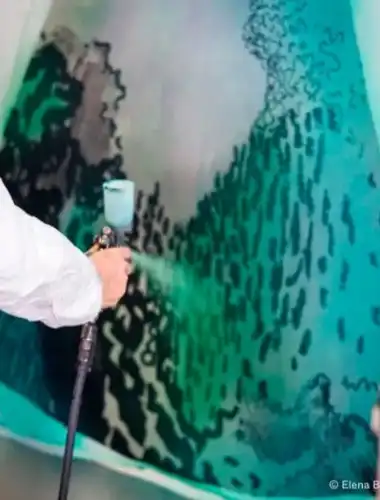
The exhibition's power is anchored by several key contemporary visionaries who translate these complex social theories into visceral sensory experiences. Artist Jesse Darling presents Les Ambassadeurs, a series of hybrid sculptures crafted from used industrial materials that expose the precariousness of modern structures of domination. Meanwhile, Benoît Piéron offers the installation Vernis à ombres, a dreamlike and disturbing subversion of healthcare aesthetics. Piéron utilizes materials drawn from the hospital environment to create a suspended, timeless space that reflects his own journey with illness, transforming the sterile neutrality of clinical care into a poetic celebration of the unstable body.
Furthering this exploration of space and access, Joseph Grigely presents This is where we are, a site-specific intervention that utilizes conceptual prostheses to question how we move through urban architecture. By taking over a notoriously inaccessible section of the Palais de Tokyo, Grigely forces a reflection on the institutional barriers that exclude minority bodies. This is complemented by the group exhibition Cheryl Marie Wade, The Queen-Mother of Gnarly, a tribute to the late American activist and poet. Through her recovered interviews and the works of contemporary artists from the Berkeley crip scene, the exhibition reclaims the history of those who have been stigmatized and erased, turning "dysfunction" into a proud and militant aesthetic.
Ultimately, Normes Corps resonates with an intense emotional depth by fostering interdependence and collective empathy. It serves as a reminder that fragility is perhaps the most widely shared condition among all living beings, requiring only time, accident, or illness to shift any body outside of the established norm. By moving from the abstract to the political, the season succeeds in transforming compassion into passion and mechanics into fantasy. This is not merely a display of art but a transformative cultural moment that broadens the boundaries of representation, envisioning a future attuned to the beautiful, shared impermanence of our states and environments.
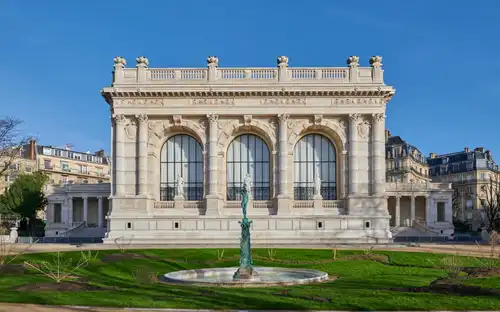
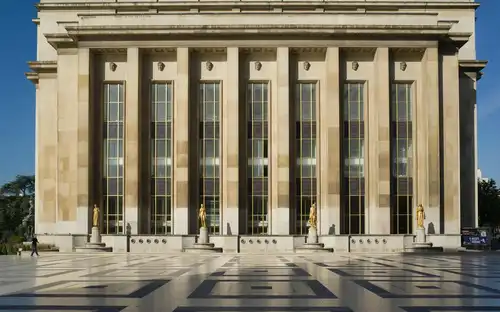
Le Palais de Tokyo stands as Europe’s largest contemporary art center, a vibrant Parisian landmark where avant-garde exhibitions and experimental works challenge the boundaries of modern creativity within an iconic architectural setting.
The Palais de Tokyo is closed to the public every Tuesday.
Annual closures are observed on January 1st, May 1st, and December 25th.
The venue closes early at 6:00 pm on December 24th and December 31st.
The museum remains open on public holidays including Ascension Day, August 15th, and July 14th.
Visitors can attend on Easter Monday, Easter Sunday, May 8th, November 11th, and Whit Monday.
A special late-night event is held for Museum Night on Saturday, May 23, 2026.
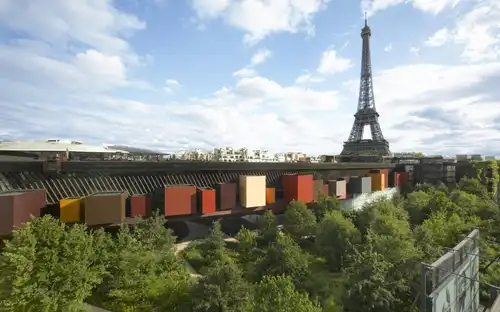
Situated in the prestigious 16th arrondissement along the banks of the Seine, Le Palais de Tokyo offers exceptional accessibility between the Eiffel Tower and the Champs-Élysées.
Complete your cultural itinerary in 2026 with the 22 other top-rated exhibitions in Paris.
Don't miss the 18 iconic cultural landmarks that define Paris in 2026.