Various sculptures, including human figures and abstract forms, displayed on pedestals and shelves in a studio.

Ateliers-musée Chana Orloff

  • Paris

Discover the intimate world of the Ateliers-musée Chana Orloff in Paris, where you can explore the artist's historic studio and her masterful sculptures. These evocative exhibitions offer a rare glimpse into the creative process of one of the 20th century's most influential female artists.

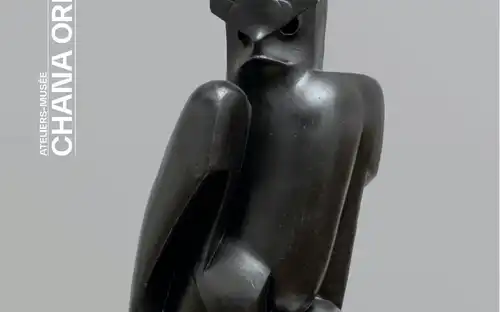
Sculptures of 20th-century conflict in the modernist Ateliers-musee Chana Orloff gallery in Paris.

Chana Orloff: War & Peace

  • Ateliers-musée Chana Orloff, Paris
8 Mar - 28 Jun 2026
From€10.00

A profound sculptural exploration of human resilience, trauma, and the enduring hope for peace.

Tucked away in the discreet, cobblestoned cul-de-sac of Villa Seurat in the 14th arrondissement, the Ateliers-musée Chana Orloff stands as a poignant testament to the life and legacy of one of the 20th century's most formidable female sculptors. A leading figure of the School of Paris, Chana Orloff was a prominent member of the avant-garde who sculpted alongside greats like Modigliani and Matisse. This preserved studio, where she lived and worked from 1926 until 1968, offers a rare, intimate glimpse into the Années Folles era. The site is a survivor of history; though ransacked during the Nazi occupation while Orloff fled to Switzerland, it was meticulously restored by the artist upon her return in 1945 and has since been certified as a Maison des Illustres by the French Ministry of Culture.

The building itself is an architectural masterpiece designed by the legendary Auguste Perret, a pioneer of reinforced concrete. In a unique collaboration with the artist, Perret created a space where professional and private lives harmoniously overlap. The structure is celebrated for its Modernist lines and its revolutionary use of light. Visitors can explore the exhibition workshop, which features a massive bay window opening onto the street, and the primary workshop illuminated by a soaring skylight. These architectural features were specifically designed to showcase the interplay of light and shadow on Orloff's sculptures, which range from monumental stone blocks to delicate portrait busts in wood, bronze, and terracotta.

The atmosphere within the museum is one of profound stillness and creative intimacy, as if the artist has only just stepped away. Housing nearly 200 sculptures, as well as numerous drawings and engravings, the collection highlights Orloff's mastery of form, particularly her expressive works on motherhood and her sought-after portrait busts of the Parisian intellectual elite. Wandering through the light-drenched rooms and the raised gallery, visitors are invited to experience a "time-portal" that reanimates the struggles and triumphs of a Jewish female artist who navigated the upheavals of the 20th century with unwavering determination.

Beyond the studio walls, the experience is enriched by the historic context of Villa Seurat itself. This private lane was envisioned as an affordable sanctuary for creators, having once served as a home to luminaries like Salvador Dalí, Chaim Soutine, and Henry Miller. A visit to the ateliers is not merely a museum tour but a curated journey into a "hidden treasure" of Parisian heritage. It provides a sensitive, deep connection to the School of Paris and the enduring power of modern sculpture, situated in a quiet neighborhood that remains a vibrant micro-district of creativity far removed from the typical tourist trails.

Highlights

  • Explore a collection of nearly 500 sculptures crafted from materials like wood, bronze, and cement within the artist's original workspace.
  • Admire the Modernist Architecture of the studio, a 1926 masterpiece designed by the renowned architect Auguste Perret.
  • Step into the Exhibition Workshop, where a large bay window floods the room with natural light to showcase evocative figures.
  • View the sculptures from unique angles by walking through the Raised Gallery that overlooks the main working area.
  • Discover the artist's creative process in the Zenithal Studio, which remains preserved with its original layout and atmosphere.
  • Witness the emotional power of post-war works like The Return, which reflects the artist's resilience after the occupation.

Must-Dos

  • Stroll down the quiet, cobblestoned cul-de-sac of Villa Seurat to appreciate the neighborhood's blooming flowers and artistic legacy.
  • Observe the raw, exposed concrete structural beams and posts that highlight Auguste Perret's pioneering architectural style.
  • Examine the large wooden double doors on the ground floor once used to move massive blocks of stone into the artist's workshop.
  • Climb the staircase to the intermediate landing for an elevated perspective of works in progress and the studio's layout.
  • Venture just steps away to the nearby Parc Montsouris to continue your tranquil afternoon in one of Paris’s most charming green spaces.
  • Pause at the entrance of 101 rue de la Tombe-Issoire to see the gated threshold leading into this private modernist enclave.

Guidelines

  • All visitors are required to undergo security checks at the museum entrance to ensure the safety of all guests and artworks.
  • Large bags and suitcases are strictly prohibited inside the museum, and any items exceeding 55 x 35 x 20 cm will not be admitted.
  • Personal photography and video are permitted within the permanent collections provided that flash, lighting, or selfie sticks are not used.
  • To preserve the integrity of the sculptures, visitors are strictly forbidden from touching or climbing on any of the artworks.
  • Eating, drinking, and smoking are not allowed within the gallery spaces to protect the collection from pests and accidental damage.
  • Small personal items can be stored in lockers provided free of charge, but all belongings must be collected before the museum closes.

Tips

  • Plan your visit for a weekday afternoon to enjoy the most peaceful atmosphere, as crowds typically peak during the weekends.
  • Make sure to wear comfortable shoes with good traction, as the walk down the cobblestoned cul-de-sac of Villa Seurat can be uneven and demanding on your feet.
  • Since the museum is tucked away in a quiet residential alley, use a navigation app to locate the entrance at 7 bis Villa Seurat in the 14th arrondissement.
  • Always check the official website before you head out to verify their current opening hours, as specialty studio museums often have more limited or intermittent schedules.
  • Take a moment to admire the unique modernist architecture of the surrounding houses in the Villa Seurat colony, which once hosted famous residents like Salvador Dalí and Henry Miller.
  • Consider booking your tickets online in advance to guarantee your entry and avoid any potential wait times at the door of this intimate historical gem.

Why Visit

To truly experience the soul of Parisian art, you must venture beyond the grand corridors of the Louvre and into the quiet, ivy-draped sanctuary of the Ateliers-musée Chana Orloff. This is not merely a gallery, but a living breathing archive where the creative energy of the 1920s remains palpable in every sun-drenched corner. To stand among hundreds of sculptures in the very place they were conceived is to witness a mastery of form that bridges the gap between the raw industrialism of concrete and the delicate, evocative curves of wood and bronze. It is a rare opportunity to engage with the legacy of a woman who shaped the avant-garde narrative, offering a sophisticated and tranquil alternative to the city's crowded tourist circuits.

Wandering through this modernist gem, you are enveloped in a unique sensory dialogue between architecture and art. The way the zenithal light spills from the skylights to dance across the textured surfaces of the sculptures creates a shifting, ethereal atmosphere that changes with every passing cloud. There is a profound emotional resonance in the stillness here; you can almost feel the grit and determination of Orloff’s post-war reconstruction as you gaze upon works like The Return. Ascending to the raised gallery provides a breathtaking, cinematic perspective of the workspace, allowing you to feel less like a spectator and more like a guest in a private, sacred world of artistic resilience.A visit to this hidden atelier is a transformative journey into the heart of Parisian heritage, where the silent strength of modern sculpture meets the architectural brilliance of a preserved creative life.

When to Visit

Studio Solitude and Weekday Timing

Securing a tranquil visit to this modernist gem requires careful scheduling, as the museum is strictly open to the public on Fridays, Saturdays, and Sundays. Arriving during a weekday afternoon, specifically on a Friday, offers the best chance to explore the nearly 500 sculptures without the localized weekend foot traffic. Since the museum is nestled within a quiet residential cul-de-sac, visiting during these off-peak hours ensures the intimate atmosphere of Chana Orloff’s preserved studio remains undisturbed by large groups.

Sculptural Depth Under North Light

Architect Auguste Perret designed the studio with expansive bay windows to flood the high-ceilinged space with consistent, natural light. Visiting during the mid-afternoon allows you to appreciate how the shifting sun interacts with materials like wood, bronze, and cement, revealing the subtle textures and intricate details of the artwork. The interplay of light and shadow is most dramatic during these hours, providing the ideal visibility needed to observe the three-dimensional nuances of the human and abstract forms displayed throughout the atelier.

How to Visit

Finding your way to the Ateliers-musée Chana Orloff is part of the adventure, as it is tucked away at 7 bis Villa Seurat in the 14th arrondissement. To make the most of your time, budget at least 1.5 to 2 hours. This allows you to move beyond a quick glance and truly absorb the hundreds of sculptures packed into this historic space.

Navigating the Modernist Cul-de-Sac

Since the museum is located on a private, cobblestoned street, there is only one main point of entry via rue de la Tombe Issoire. Look for the large wooden doors at the ground level; these were originally designed to accommodate the delivery of massive stone blocks for Orloff's work. Once inside, follow this logical flow to ensure you don't miss any hidden corners:

  • Start in the Main Studio, where the double-height ceilings and massive bay windows showcase the bulk of the larger sculptures.
  • Proceed to the Ground Floor Workshops, checking out the smaller, more personal items and the raw materials the artist favored.
  • Climb the stairs to the Raised Gallery for a bird's-eye view of the entire collection, which offers a completely different perspective on the scale and arrangement of the pieces below.

Essential Logistics for an Uninterrupted Visit

Because this is a preserved residence in a quiet neighborhood, security is taken seriously. Be prepared for a quick bag check at the entrance. If you are coming from central Paris, the most efficient route is taking Metro Line 4 to Alésia, followed by a short ten-minute walk. While the museum is open Friday through Sunday, I highly recommend booking an appointment if you are visiting during peak season to guarantee entry into this intimate space. After your tour, take five minutes to walk further down the Villa Seurat to see the former homes of other legends like Henry Miller and Salvador Dalí.

Schedules

Opening Hours

  • The Ateliers-musée Chana Orloff is open to the public on Fridays, Saturdays, and Sundays from 10:00 to 18:00.
  • The venue remains closed to visitors from Monday through Thursday.
  • Last entry is generally permitted until 17:15, though visitors are advised to arrive at least five minutes before their scheduled slot.

Special Days

The museum is typically closed on Mondays, Tuesdays, and Wednesdays.

It often remains closed on major public holidays like Christmas Day and New Year's Day.

Visitors should check the official website for any specific dates with free entry or altered holiday hours.

How to get there

Tucked away in a charming cobblestone cul-de-sac of the 14th arrondissement, the Ateliers-musée Chana Orloff offers a serene artistic retreat near the lush Parc Montsouris. While nestled in a discreet residential enclave, the studio remains well-connected to the rest of Paris via several nearby transit hubs.

  • Metro: Line 4 to Alésia or Line 6 to Saint-Jacques, both of which leave you within a pleasant 10-minute walk of the museum.
  • RER: Line B to Denfert-Rochereau or Cité Universitaire, providing a direct link for those traveling from central Paris or the airports.
  • Bus: Lines 38, 68, or 88 to the Denfert-Rochereau or Alésia stops, offering a scenic surface route through the Left Bank.
  • Tram: Line T3a to Porte d'Orléans or Cité Universitaire for easy access from the southern edge of the city.
Directions

Frequently Asked Questions about Ateliers-musée Chana Orloff

The museum is housed in a historic 1920s artist studio designed by Auguste Perret. While the ground-floor exhibition workshop is generally accessible, the raised gallery and certain upper levels are only reachable via narrow, original staircases, which may pose a challenge for those with significant mobility issues.
Due to the intimate nature of the studio and the delicate placement of nearly 200 sculptures, large strollers are not permitted inside the workshops. It is recommended to use a baby carrier to navigate the various levels and the light-drenched raised gallery comfortably.
As a small, preserved private studio, the museum does not offer formal cloakrooms or storage for large bags. Visitors are advised to travel light and avoid bringing suitcases or bulky items, as they cannot be accommodated within the exhibition spaces.
The primary workshop, illuminated by a soaring skylight, offers the best interplay of light and shadow for capturing the textures of the bronze and wood sculptures. The massive bay window in the exhibition workshop also provides a stunning backdrop against the quiet, cobblestoned Villa Seurat.
Children are welcome, but must be closely supervised at all times. The studio displays many sculptures on open pedestals and low shelves without glass barriers, making it essential to ensure that young visitors do not touch the fragile artworks or the historic concrete structures.
While self-guided visits allow you to soak in the atmosphere of the Années Folles at your own pace, guided tours are highly recommended to fully appreciate the artist's role in the École de Paris and the architectural nuances of the Auguste Perret design.
To protect the sensitive drawings and engravings and to maintain the tranquil atmosphere of the creative space, flash photography and tripods are strictly prohibited. Handheld photography for personal use is permitted provided it does not interfere with other visitors.
The 14th arrondissement is rich in artistic heritage; after exploring Chana Orloff's studio in Villa Seurat, you can take a short walk to nearby sites like the Musée Montparnasse or the Giacometti Institute to further discover the legacy of the School of Paris.
To ensure the preservation of the collection and the safety of the delicate sculptural pieces, pets are not allowed inside the museum. Only certified service animals are permitted to accompany visitors through the galleries.
The museum focuses on maintaining the creative stillness of a private home and studio, so there is no cafe on-site. However, a small selection of publications and postcards regarding Chana Orloff's modern art and the Perret architecture is often available for purchase.
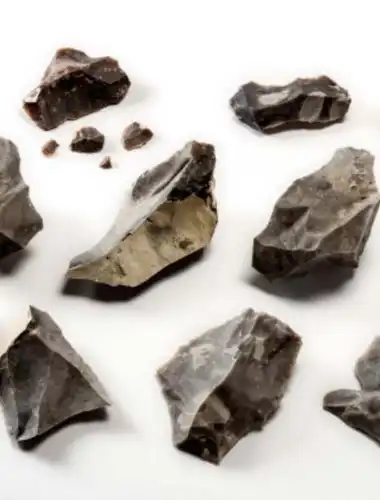
Archaeological artifacts from the Seine riverbed displayed in the underground crypt beneath Notre-Dame cathedral.
Recommended
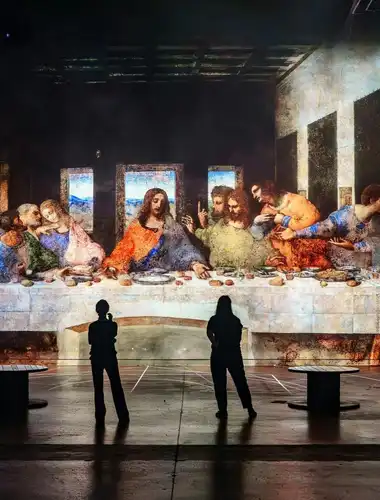
Digital art projections of Da Vinci and Michelangelo masterpieces illuminate a large immersive gallery space.
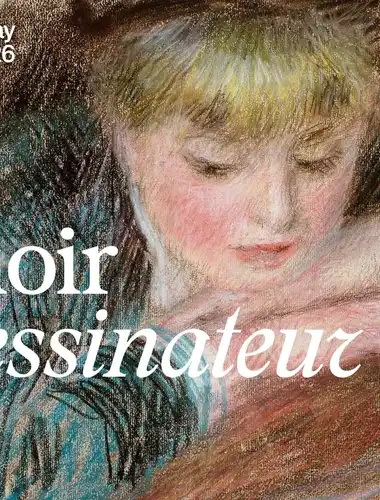
A selection of delicate pencil and pastel sketches by Pierre-Auguste Renoir displayed in a gallery.
Antique Korean beauty accessories and traditional paintings displayed in a modern museum gallery at Musée Guimet.
Vibrant interactive garden chapter at Cité des sciences featuring lush plants and sensory science displays.
Recommended
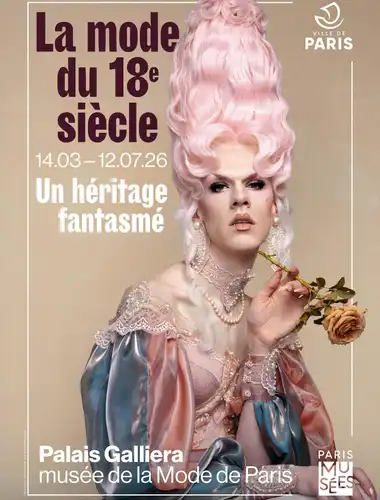
Elegant 18th-century gowns and contemporary couture on display in a grand gallery at Palais Galliera.
Recommended
Mannequins display vibrant contemporary African haute couture and textiles in a modern gallery space.
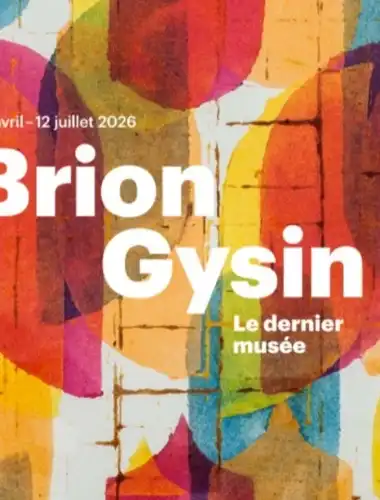
Vibrant avant-garde artwork and a Dreamachine light installation on display at the Brion Gysin exhibition in Paris.
Musicians perform an open-air concert on a stage surrounded by the lush trees of Jardin d'Acclimatation in Paris.
Recommended
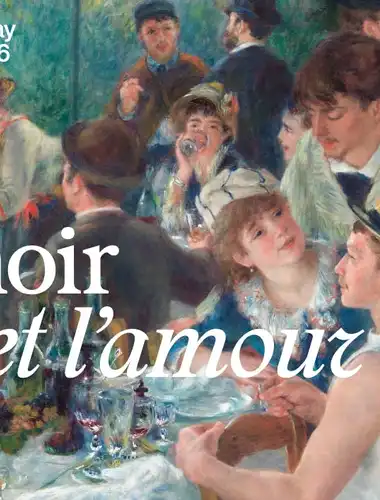
Vibrant oil painting of a couple dancing outdoors in a sunlit, crowded Parisian cafe by Pierre-Auguste Renoir.
Self-portrait of Gustave Courbet with his black dog at the Artists’ Faces exhibition in the Petit Palais.
Intricate fantastical maps displayed in a gallery exploring the links between cartography and imagination.
Recommended
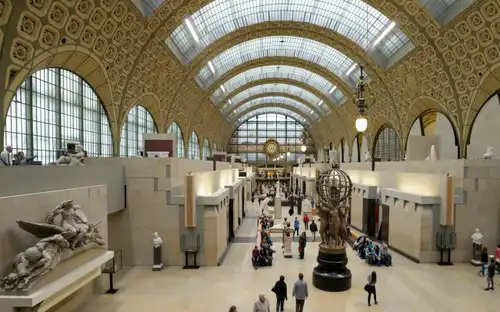
Visitors walk among sculptures in the vaulted glass hall of Musée d'Orsay, with others seated on benches.
4 exhibitions

Musée d'Orsay

  • Paris

Breathtaking Impressionist masterpieces housed within the timeless elegance of a magnificent Parisian station.

Recommended
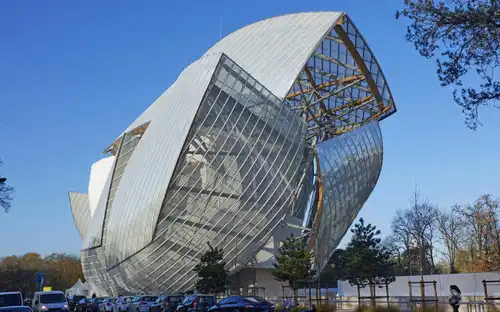
Modern curved glass and metal Fondation Louis Vuitton building under a blue sky with trees and parked cars.
1 exhibition

Fondation Louis Vuitton

  • Paris

Where avant-garde art meets Frank Gehry’s breathtaking glass sails in the heart of Paris.

Recommended
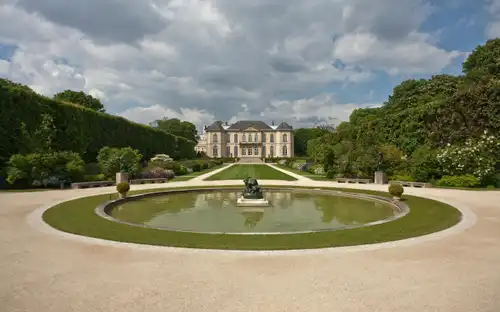
Grand mansion at Musée Rodin viewed through manicured gardens with a central pond, statues, and trimmed bushes.
1 exhibition

Musée Rodin Paris

  • Paris

A historic mansion sanctuary where Rodin’s emotive masterpieces breathe amidst rose-filled gardens.

Recommended
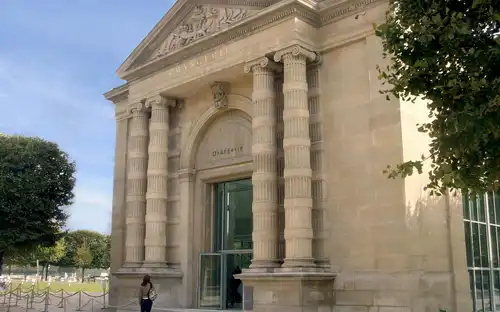
Ornate stone Musée de l'Orangerie entrance with large columns and one person standing near the doorway.
2 exhibitions

Musée de l'Orangerie

  • Paris

A luminous sanctuary where Monets panoramic Water Lilies bloom in timeless Impressionist light.

Recommended
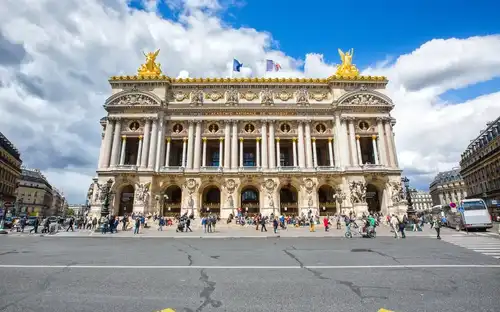
Grand neoclassical Palais Garnier with golden statues and a French flag under a blue sky.
1 exhibition

Palais Garnier

  • Paris

A breathtaking masterpiece of nineteenth-century opulence and legendary Parisian high culture.

Recommended
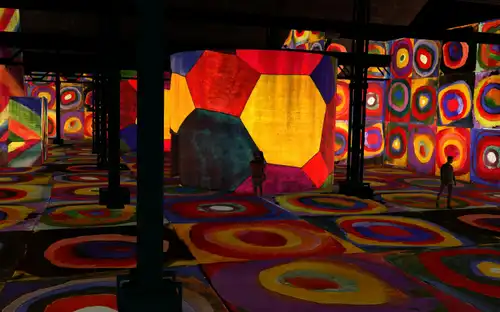
Vibrant abstract projections from the Kandinsky exhibition at the Atelier des Lumières digital art center.
1 exhibition

Atelier des Lumières

  • Paris

Masterpieces come alive through immersive light and sound in a historic Parisian foundry.

Recommended
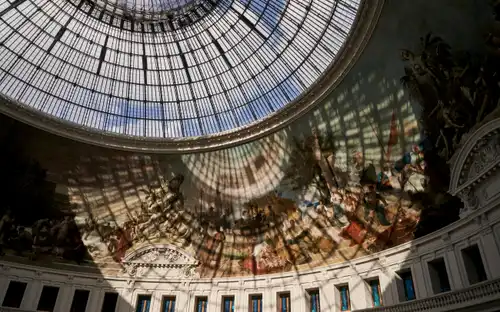
Intricate metal framework of a large glass dome casting shadows on a mural of historical and mythical scenes.
1 exhibition

Bourse de Commerce - Pinault Collection

  • Paris

A sanctuary of contemporary masterpieces housed within a masterfully restored historic dome.

Neoclassical building with tall columns, large windows, outdoor seating, and a statue holding a spear.
2 exhibitions

Musée d'Art Moderne de Paris

  • Paris

A sanctuary of avant-garde masterpieces and evolving contemporary narratives in the heart of Paris.

Historic courtyard at Musée de l'Armée with arched windows and a golden-domed building under a partly cloudy sky.
1 exhibition

Musée de l'Armée & Napoleon's Tomb

  • Paris

France's storied military legacy rests beneath a majestic golden dome of timeless architectural grandeur.

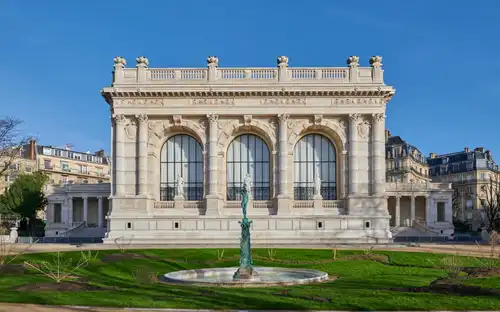
Grand building with arched windows, statues, and a central fountain, surrounded by lawns and city buildings.
2 exhibitions

Palais Galliera

  • Paris

A grand Renaissance palace enshrining the timeless evolution of French fashion and contemporary artistry.

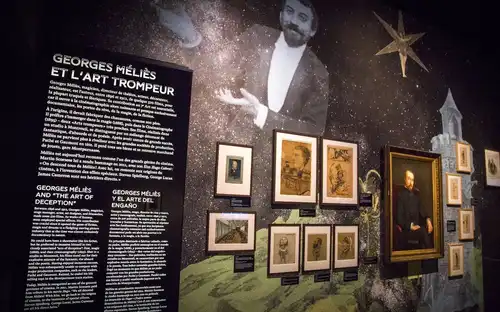
Exhibit wall with multilingual text about Georges Méliès, surrounded by framed portraits and illustrations.
1 exhibition

La Cinémathèque Française

  • Paris

A stunning Frank Gehry masterpiece housing the world's most prestigious collection of cinematic treasures.

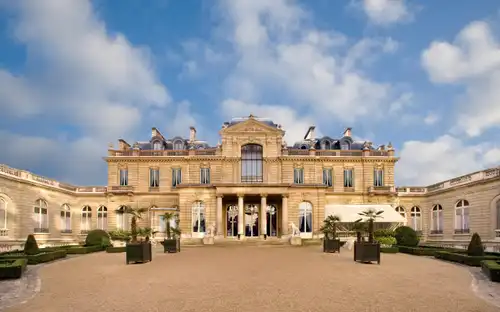
Elegant stone mansion with arched doorways and a columned entrance, set within a manicured courtyard.
1 exhibition

Musée Jacquemart-André

  • Paris

An opulent Haussmann-era mansion housing one of the city's most prestigious private art collections.