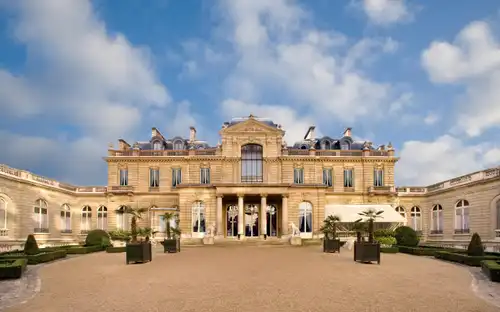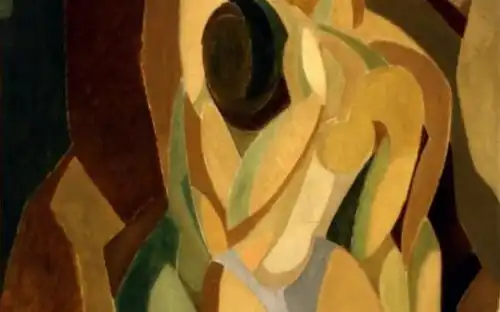
Adya & Otto Van Rees: At the Heart of the Avant-Garde
- Musée de Montmartre, Paris
20 Mar - 13 Sep 2026
From€16.00
A profound exploration of a pioneering duo at the nexus of modern art and intimacy.

Discover the current major exhibition showing at Musée de Montmartre in 2026.
Tucked away in the winding lanes of the 18th arrondissement, the Musée de Montmartre offers an intimate journey into the soul of Paris's most legendary bohemian district. Established in 1960, the museum is housed within a cluster of 17th and 18th-century buildings, including the Maison du Bel Air, one of the oldest residences on the Butte. This site was once a vibrant communal hub where iconic figures such as Pierre-Auguste Renoir, Suzanne Valadon, and Maurice Utrillo lived and worked. Stepping inside feels less like entering a traditional gallery and more like visiting an exquisitely preserved home, where the walls themselves bear witness to the creative energy of the Belle Époque.
The museum's permanent collection is a treasure trove of posters, paintings, and drawings that chronicle the district's artistic effervescence. Visitors can explore the history of local cabarets and entertainment venues, with a fascinating section dedicated to landmarks like Le Chat Noir, Le Lapin Agile, and the Moulin Rouge. A highlight of the visit is the reconstructed Atelier-Appartement of Suzanne Valadon and Maurice Utrillo, which was meticulously restored in 2014. Additionally, standing in Renoir's Studio, one can almost feel the presence of the master as natural light floods the room, much as it did when he painted masterpieces like The Swing on these very grounds.
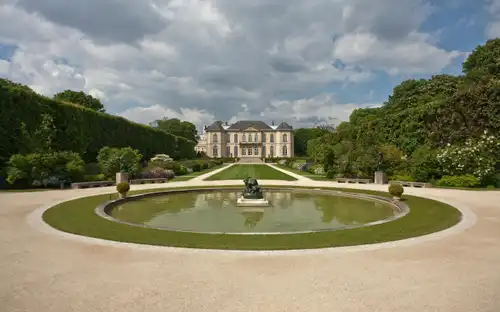
Beyond the galleries, the museum is surrounded by the enchanting Renoir Gardens. These three distinct green spaces were redesigned to evoke the spirit of the artist's most famous works and offer a peaceful retreat from the bustling Place du Tertre. From the gardens, visitors can enjoy a rare and breathtaking view of the Clos Montmartre, the neighborhood's historic vineyard which has existed since the Middle Ages. The atmosphere is one of profound tranquility, blending the scent of overgrown rose bushes with the rugged appeal of the neighboring Jardin Sauvage Saint-Vincent, creating a true countryside escape perched high above the city.
For those seeking a moment of reflection, the Café Renoir provides a welcoming terrace within the gardens, perfect for a quiet tea time or a light lunch. Whether you are drawn by the legacy of the bohemian artists, the unique Directoire-era architecture of the Hôtel Demarne, or the lush landscapes, the Musée de Montmartre captures the vital spark of Parisian history. It remains a living testament to a bygone era, inviting every traveler to connect with the "bohemian soul" that continues to resonate throughout its hallowed halls and hidden courtyards.
Visiting the Musée de Montmartre is an essential pilgrimage for anyone seeking to uncover the true, unfiltered heartbeat of Paris. While the crowds gather at the nearby basilica, this sanctuary offers a rare, intimate encounter with the ghosts of the avant-garde. It is here, amidst the creaking floorboards of the oldest buildings on the Butte, that the legendary stories of Picasso, Renoir, and Valadon transition from textbook history into a living, breathing reality. You aren't merely observing art; you are stepping into the very sanctuary where the modern art movement was born, surrounded by the authentic artifacts and spirited cabaret posters that fueled the neighborhood's creative fire.
To wander through the museum is to experience a profound sensory awakening that transports you back to the Belle Époque. As you move through the light-drenched studios, the soft scent of overgrown roses from the Renoir Gardens drifts through the open windows, mingling with the distant, melodic echoes of street performers outside. The sight of the sun-dappled Clos Montmartre vineyard, visible from the tranquil garden paths, evokes a nostalgic serenity that feels more like a countryside escape than a city visit. Every detail—from the tactile cool of a vintage zinc bar counter to the gentle creak of the wooden swing—invites an emotional connection to a bygone era of unfettered creativity and bohemian freedom.The Musée de Montmartre is the ultimate Parisian hidden gem, offering a soulful and evocative retreat that perfectly captures the enduring, artistic spirit of the city's most legendary hilltop village.
First Light in the Maison du Bel Air
Arriving exactly at 10:00 ensures you are among the first to enter the grounds, allowing for a peaceful walk through the three gardens before the midday tour groups arrive. Opting for weekdays, specifically Monday through Thursday, typically results in lower foot traffic compared to the busy weekend afternoons. This early slot is particularly effective for observing the soft, even north light that traditionally illuminated the artists' studios without the high-contrast glare of the midday sun.
Evening Radiance across the North View
Scheduling a visit for the late afternoon, around 16:00 or 17:00, provides the most dramatic lighting as the sun begins to dip over the 18th arrondissement. This timing captures the warm, amber hues illuminating the museum’s private vineyard and the vast plains north of Paris visible from the garden's edge. Extended hours on Wednesdays during July and August allow guests to remain until 22:00, offering a rare opportunity to see the garden's lily pond and the Valadon studio bathed in the soft glow of sunset after the primary crowds have dispersed.
Finding your way to the Musée de Montmartre at 12 Rue Cortot is half the fun, as it sits tucked away from the main tourist drag. You should budget about 90 minutes to 2 hours to fully appreciate the complex, which includes the museum collections, the historic studios, and the stunning outdoor spaces. Since it is one of the smaller, more intimate venues in Paris, you won't face the massive security lines of the Louvre, but having a pre-booked ticket ensures you breeze through the single main entrance.
Navigating the Artist's Footsteps
To get the most out of your visit, I recommend following a path that moves from the historic foundations to the private living quarters.
The View from the Vines
Once you have explored the interiors, exit into the Renoir Gardens. This is the best place to find a bit of quiet. From the edge of the gardens, you can look down onto the Clos Montmartre, the neighborhood's secret vineyard, and see the plain of Saint-Denis stretching out to the north. If you need a break, the Café Renoir offers a lovely glass conservatory where you can sit and soak in the atmosphere of the fruit trees and roses.
The museum remains open on all public holidays, though the Renoir Gardens and Café Renoir are specifically closed on May 19 and 27, 2026.
A special early closure at 18:00 is scheduled for May 21, 2026, while the museum will also close at 17:00 on June 27, 2026.
Admission is free for children under 10 years old every day, and the venue remains accessible on major holidays like December 25 and January 1.
Nestled within the charming, winding lanes of the 18th arrondissement, the Musée de Montmartre offers a serene escape atop Paris's highest hill, accessible through a variety of scenic transit routes. While its hilltop position requires a bit of a climb or a short bus ride, the journey rewards visitors with a unique perspective of the city's bohemian heart.
Complete your cultural itinerary with the 58 other top-rated exhibitions in Paris in 2026.
Explore the 39 other top-rated cultural attractions to visit in Paris in 2026.