Plumes Du Paradis
- Musée du quai Branly - Jacques Chirac, Paris
22 May - 8 Nov 2026
From€14.00
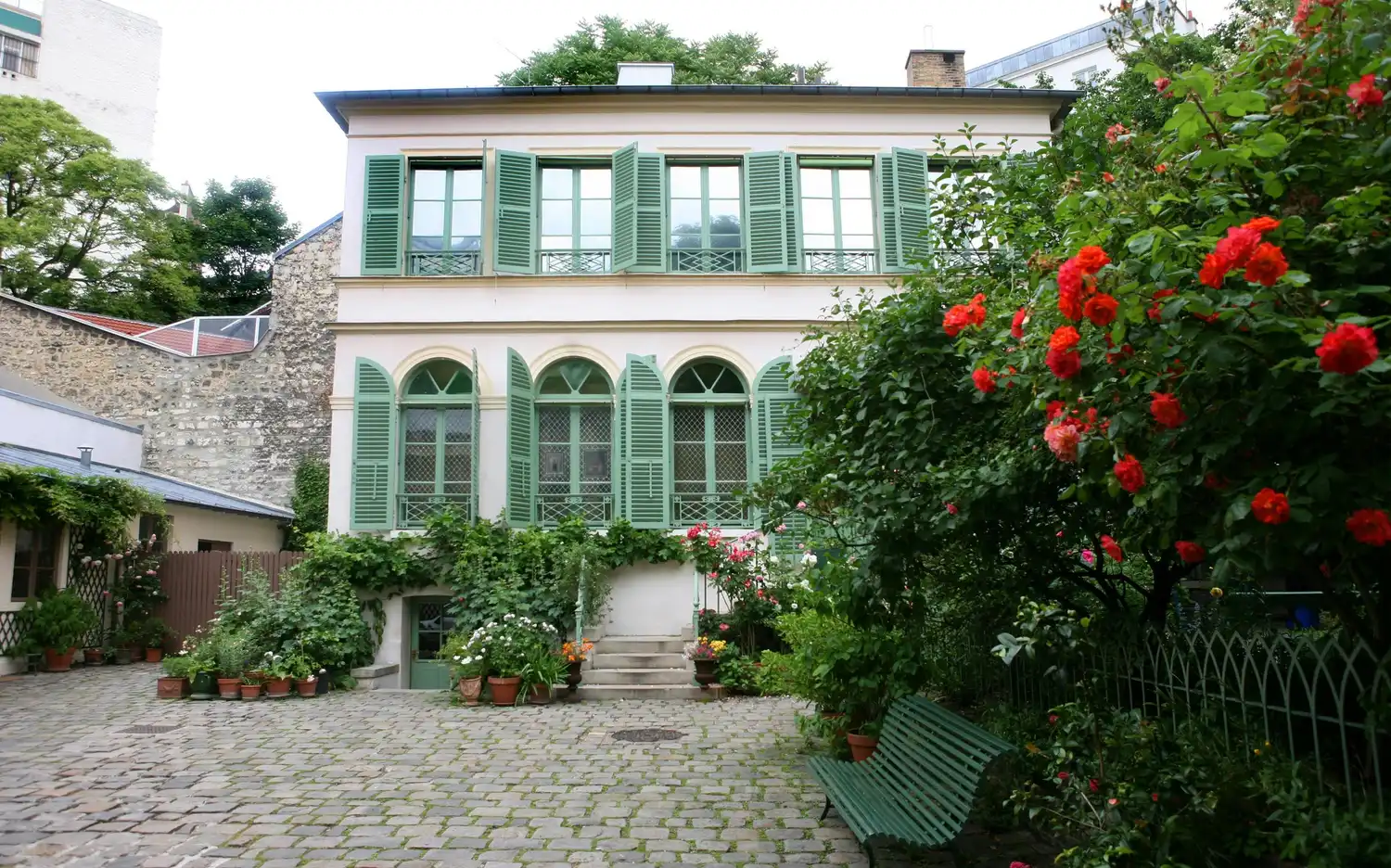
Tucked away at the end of a picturesque, tree-lined alleyway in the heart of the Nouvelle Athènes district, the Musée de la Vie Romantique offers a rare glimpse into the intellectual and artistic fervor of 19th-century Paris. Originally the home and studio of the Dutch-born painter Ary Scheffer, this charming hôtel particulier was built in 1830 and quickly became a premier destination for the city's cultural elite. Throughout the July Monarchy, Scheffer hosted legendary Friday-evening salons, where luminaries such as Frédéric Chopin, Eugène Delacroix, Franz Liszt, and Charles Dickens gathered to exchange ideas, making the residence a cornerstone of the Romantic movement.
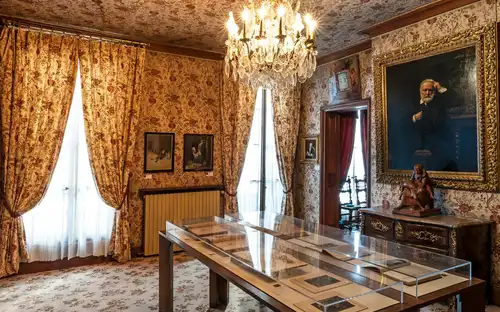
The museum's layout is uniquely split between two distinct structures: the main residence and two glass-roofed artist studios that face each other across a paved courtyard. The ground floor of the pavilion is almost entirely dedicated to the novelist George Sand, featuring an intimate collection of her furniture, portraits, and personal memorabilia. Among the most evocative pieces in the Jewelry Room are plaster casts of Sand’s arm and Chopin’s hand, alongside an extensive display of 18th and 19th-century jewelry. On the first floor, visitors can admire the works of Ary Scheffer himself, including his celebrated portraits of contemporary royalty and literary figures, which exemplify the emotive and idealistic style of the Romantic School.
The atmosphere of the museum is one of quiet, bucolic serenity, providing a stark and welcome contrast to the bustling streets of nearby Pigalle and Montmartre. The architecture, with its signature green shutters and Italian-style roof, has been meticulously preserved to evoke the domestic life of the 1830s. Walking through the rooms with their creaking wooden floors and antique display cases feels like stepping back in time, offering a sensory immersion into a period defined by sentimentalism and individual expression.
No visit is complete without spending time in the museum's lush, English-style garden, a hidden oasis filled with old roses, lilacs, and wisteria. Here, visitors can enjoy a quiet moment at the Rose Bakery tea room, located within a charming glass conservatory. Whether sitting on a wrought-iron bench in the shade of the trees or exploring the seasonal exhibitions in the neighboring studios, the Musée de la Vie Romantique remains one of the most soulful and evocative cultural sites in Paris, perfectly capturing the spirit of an era dedicated to the pursuit of beauty and wonder.
Stepping into this villa is like discovering a secret love letter to a bygone era, tucked away where the city's frantic pulse finally fades into a whisper. It is the ultimate destination for those who seek the soul of Paris beyond the grand boulevards, offering a rare chance to sit in the very rooms where the 19th-century’s greatest minds shared their deepest inspirations. Far more than a gallery, it is a living sanctuary that invites you to trade the exhaustion of sightseeing for the effortless grace of a literary salon, making it an essential pilgrimage for any traveler looking to connect with the city's most poetic and intimate history.
The true magic reveals itself in the dappled sunlight that dances across creaking floorboards and the intoxicating scent of old roses that drifts through the open windows of the conservatory. To visit is to experience a profound emotional stillness, where the soft clinking of tea cups at the Rose Bakery and the visual harmony of the brown-beige shutters against the verdant garden create a masterpiece of sensory tranquility. It is a place where you don't just see art; you feel the lingering presence of the Romantic spirit in every shaded corner and every carefully preserved artifact of the heart.The Musée de la Vie Romantique is a breathtakingly intimate portal that captures the timeless elegance of a Paris dedicated to beauty, passion, and the art of the quiet moment.
Solitude in the Courtyard Alleyway
Arriving right at the 10:00 AM opening on Tuesday or Wednesday provides the most peaceful access to the grounds before the midday rush. Most visitors congregate in the garden cafe by noon, so exploring the permanent collections during the first hour allows you to move freely without the congestion often found in the small historic rooms.
Luminous Mornings in the Sun-Drenched Ateliers
Plan your entry for a clear weekday morning to capture the most vibrant natural light streaming through the large studio windows. This specific timing highlights the intricate details of the 19th-century artwork and George Sand's personal artifacts better than the flatter light of an overcast afternoon.
Diminishing Shadows at the Rose Bakery
Securing a table in the garden becomes significantly easier after 4:30 PM as the primary waves of tea-time guests begin to depart. The late afternoon light casts a warm, atmospheric glow over the greenhouse’s glass roof, offering a final window of photographic opportunity before the doors close at 6:00 PM.
Finding this tucked-away gem requires a bit of local know-how, as the entrance is essentially a narrow, leafy alleyway off Rue Chaptal. Look for the sign at number 16; it’s the only way into the estate. Budget at least 90 minutes to two hours if you plan on browsing both the main house and the temporary exhibitions, plus a little extra time for a coffee.
Navigating the Artist’s Estate
The Secret to a Smooth Visit
To avoid the security bottleneck at the small gate, ensure you aren't carrying any large bags or suitcases, as the museum has no cloakroom for bulky items. Since the permanent collections are free, you can walk straight to the house unless you have purchased a ticket for a specific temporary show. If the garden is full, take a quick walk around the Nouvelle Athènes district nearby to see the beautiful 19th-century architecture of the surrounding private mansions before heading back for a second try at a table.
The museum is closed on Mondays, January 1st, May 1st, and December 25th.
Visitors enjoy free entry to the permanent collections every day, with special free admission to the entire museum on February 14, 2026.
The venue remains open on several public holidays including Easter, Ascension Day, May 8th, July 14th, August 15th, and November 11th.
Nestled at the foot of Montmartre in the 9th arrondissement, the Musée de la Vie Romantique is a secluded oasis of 19th-century charm that remains easily accessible via Paris's efficient transit network. Located on the picturesque Rue Chaptal, this hidden gem is just a short stroll from the vibrant districts of Pigalle and Saint-Georges.
Complete your cultural itinerary with the 10 other top-rated exhibitions in Paris in 2026.
Explore the 9 other top-rated cultural attractions to visit in Paris in 2026.