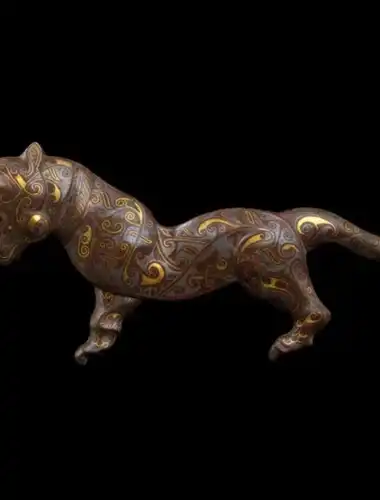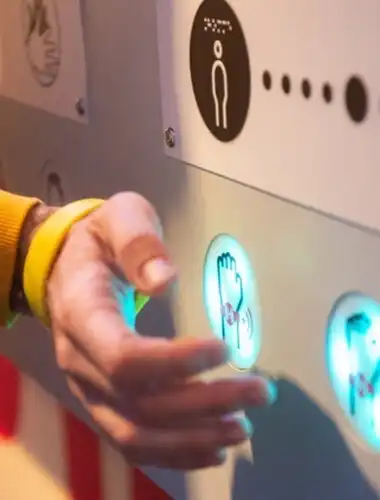
Modern gallery space featuring digital replicas and contemporary art displays for the Heritage in Resistance exhibition.

Heritage in Resistance

  • Cité de l'architecture et du patrimoine, Paris
20 May - 3 Jan 2027

The Heritage in Resistance exhibition at the Cité de l'architecture et du patrimoine in Paris offers a profound examination of cultural survival, utilizing digital replicas and contemporary art to explore the restoration of sites from Timbuktu to Odesa. This compelling narrative highlights the vital role of architectural memory as a powerful act of defiance against the erasure of global history.

Recommended
Tiqets logo - Official ticket provider for Heritage in Resistance at Cité de l'architecture et du patrimoine in Paris
From
€13.00

The exhibition Heritage in Resistance, hosted at the Cité de l'architecture et du patrimoine, offers a poignant and timely exploration of the systematic destruction of cultural and natural heritage in modern conflict zones. Spanning a global geography from Timbuktu to Odesa, and including sites from Bamiyan to Gaza, the curation delves into the devastating phenomena of urbicide and cultural cleansing. As a curator, I find the exhibition’s structural narrative—divided into the three evocative sequences of Erasing, Resisting, and Restoring—to be a profound meditation on the fragility of human memory and the enduring power of cultural identity.

A central pillar of this showcase is the innovative use of technology to preserve what has been physically lost. Through high-fidelity digital replicas and 3D surveys produced by Iconem, such as the moving restitution of the Al-Nouri Mosque in Mosul or the archives of the Temple of Bel in Palmyra, visitors are granted access to a "digital double" of history. These works are further enriched by the inclusion of contemporary art and historical documents, curated under the expertise of figures like architect Yves Ubelmann and political scientist Mathilde Leloup. This multidisciplinary approach ensures that the exhibition is not merely a record of loss, but a vital archive of human ingenuity and technical preservation.

The historical significance of the exhibition is anchored in the 2012 destruction of the mausoleums of Timbuktu, a landmark event that led the International Criminal Court to classify the deliberate annihilation of cultural monuments as a war crime. This legal and moral turning point serves as the backdrop for a larger conversation about the role of international mobilization. By showcasing the efforts of local communities, NGOs, and researchers, the exhibition highlights that the act of documenting and protecting a site is, in itself, a potent form of resistance against the erasure of a people's history.

Ultimately, the emotional resonance of Heritage in Resistance lies in its hopeful conclusion regarding the nature of repair. The final sequence, Restoring, posits that post-conflict reconstruction is a holistic process that involves more than just stone and mortar; it is about rebuilding the social fabric and restoring bonds between living societies and their past. Whether viewing the internal restoration of the Odessa Cathedral or archaeological finds from Mali, the visitor is reminded that heritage is an essential lever for imagining a shared future. It is a sensitive and committed narrative that transforms ruins into a foundation for collective renewal.

Highlights

  • Experience the Erasing, Resisting, and Restoring structural narrative that explores cultural survival in modern conflict zones.
  • View high-resolution digital replicas of lost heritage sites from Timbuktu to Odesa.
  • Discover a poignant collection of contemporary art and graphic documents illustrating the impact of cultural cleansing.
  • Learn about the preservation of sites from Bamiyan to Gaza and the devastating phenomenon of urbicide.
  • Engage with moving stories of cultural survival told through the perspectives of architects, witnesses, and artists.
  • Witness the innovative use of 3D technology to document and restore vulnerable archaeological resources from Ukraine.

Frequently Asked Questions about Heritage in Resistance

Yes, your entrance ticket to the Cité de l'architecture et du patrimoine includes access to all temporary exhibitions, including 'Heritage in Resistance'.
It is recommended to set aside approximately 1 hour to fully explore the artworks, digital replicas, and narratives presented in the exhibition.
Photography for personal use is allowed without flash, though the use of tripods or professional equipment is prohibited to ensure a pleasant experience for all visitors.
Yes, the Cité de l'architecture et du patrimoine is fully accessible to people with reduced mobility, and elevators are available to reach the exhibition spaces.
While the themes of conflict and survival are profound, the visual digital replicas and contemporary artworks make it an engaging educational experience for older children and teenagers.
The museum regularly organizes guided tours; please check the official schedule or inquire at the reception desk upon your arrival for specific times.

Cité de l'architecture et du patrimoine

  • Paris

Explore the evolution of French design at Paris’s Cité de l’architecture et du patrimoine, where immersive exhibitions showcase life-sized casts and intricate miniatures of iconic monuments from the 12th century to the modern era. This cultural landmark offers a definitive journey through architectural history, featuring major heritage sites and renowned international structures in the heart of Trocadéro.

Schedules

Opening Hours

  • The Cité de l'architecture et du patrimoine is open every day except Tuesday from 11:00 AM to 7:00 PM.
  • On Thursdays, the museum offers extended evening hours until 9:00 PM.
  • The last entry to the venue is permitted until 40 minutes before closing, specifically at 6:20 PM on most days and 8:20 PM on Thursdays.

Special Days

The museum is closed on January 1st, May 1st, and December 25th, with early closures at 5:00 PM on December 24th and December 31st.

Free entry is offered to all visitors on the first Sunday of the month and is always free for individuals under the age of 26.

It remains open on several public holidays including Easter Monday, Ascension Day, Whit Monday, and November 11th.

How to get there

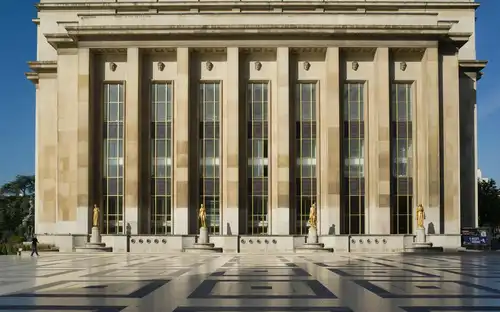
Perched within the magnificent Palais de Chaillot in the 16th arrondissement, the Cité de l'architecture et du patrimoine overlooks the Trocadéro gardens and the Eiffel Tower. This cultural landmark is exceptionally well-connected, making it easily accessible from all corners of Paris via various public transit networks.

  • Metro: Lines 6 and 9 to Trocadéro station.
  • RER: Line C to Champ de Mars Tour Eiffel station, followed by a short walk across the Pont d'Iéna.
  • Bus: Lines 22, 30, 32, and 63 to the Trocadéro stop, or line 72 to the Pont d'Iéna stop.
  • Noctilien: Night bus N53 to the Trocadéro stop.
  • Batobus: Seine River shuttle to the Tour Eiffel stop, located just across the river from the venue.
Directions
Vibrant birds of paradise and intricate New Guinean feathered headdresses on display at Musée du Quai Branly.
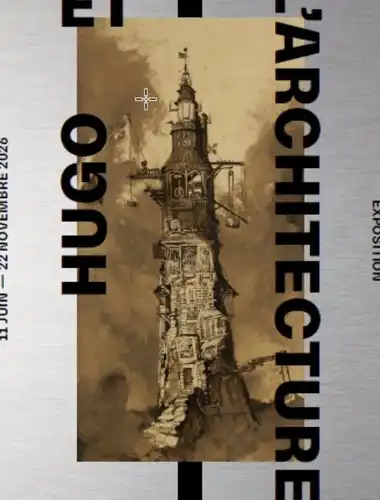
Detailed architectural sketches and manuscripts displayed in the historic, red-walled gallery of Maison Victor Hugo.
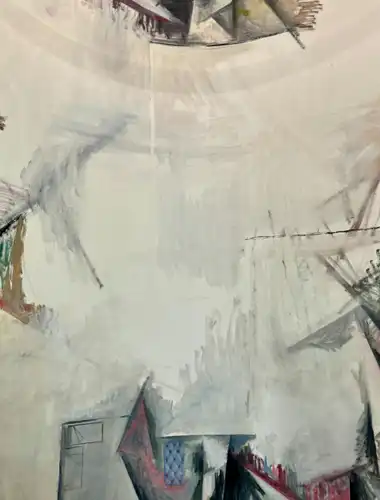
Immersive cubistoid wall paintings with intersecting lines in the historic chapel of Musée Picasso Paris.
Recommended
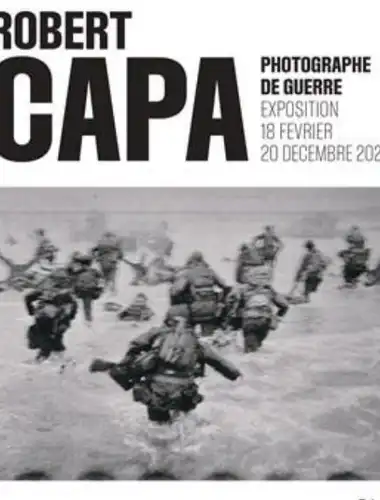
Vintage prints and cameras on display at the Robert Capa War Photographer exhibition in Paris.
Vibrant 360-degree projections of 17th-century French fables in a modern, immersive gallery space.
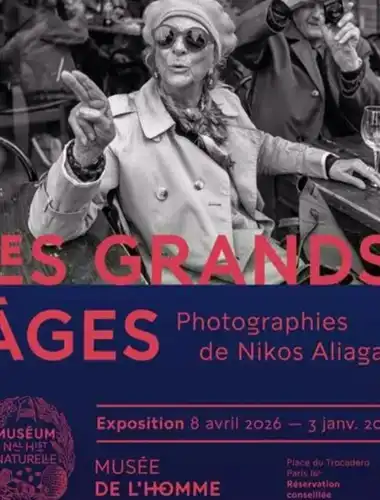
Close-up photography of elderly individuals displayed in the modern gallery space at Musée de l'Homme in Paris.
Intricate historical animal sculptures and artworks from the Al Thani Collection displayed in a sophisticated gallery setting at the Hotel de la Marine.
An interactive gallery space featuring thought-provoking displays and narratives designed to challenge perceptions and encourage analytical evaluation of information at the Cité des sciences et de l'industrie.
Immersive video mapping of the US-Mexico border projected onto large screens in a darkened gallery space.
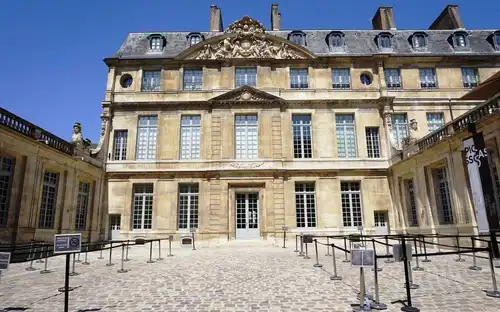
Stone Musée National Picasso-Paris with ornate sculptures and large windows under a clear sky from a courtyard.
1 exhibition

Musée national Picasso-Paris

  • Paris

The profound legacy of the twentieth century’s most iconic artist in the historic Marais.

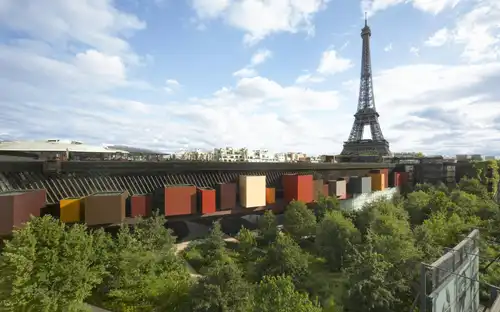
Colorful block-shaped museum buildings surrounded by lush trees with the Eiffel Tower in the background.
1 exhibition

Musée du quai Branly - Jacques Chirac

  • Paris

An global odyssey through the world's most evocative indigenous arts and ancient cultural treasures.

Musée de l’Homme at Palais de Chaillot with golden statues on a geometric plaza under a clear blue sky.
1 exhibition

Musée de l’Homme

  • Paris

A masterfully curated journey through the ancient artifacts and prehistoric origins of humanity.

Stone building with archways and windows, partially obscured by trees, with pedestrians on the sidewalk.
1 exhibition

Musée de la Libération de Paris - Musée du Général Leclerc - Musée Jean Moulin

  • Paris

An evocative journey through the clandestine courage that secured the liberation of Paris.

A 360-degree video projection of colorful scenes in the Hall of Dreams at Cité Immersive des Fables.
1 exhibition

Cité Immersive des Fables

  • Paris

A sensory voyage through poetic masterworks and breathtaking 360-degree projections.

People relax in a sunny park with trees and a large metallic dome at Cité des sciences et de l’industrie.
2 exhibitions

Cité des sciences et de l'industrie

  • Paris

Europe's largest science sanctuary where avant-garde innovation meets immersive, celestial discovery.

Historic Hôtel de la Marine with French flag, ornate facade, columns, and a statue in a stone-paved square.
1 exhibition

Hôtel de la Marine

  • Paris

Exquisite 18th-century apartments reflecting the golden age of French royal elegance and design.

Ornate room at Maison Victor Hugo with floral wallpaper, a chandelier, antique furniture, and a document display.
1 exhibition

Maison Victor Hugo

  • Paris

Timeless historic rooms and original manuscripts within the author’s elegant Parisian townhouse.