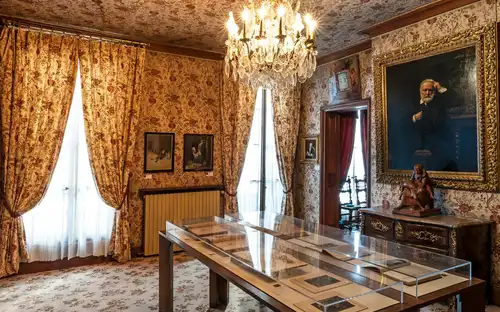
Ornate room with wooden paneling, gold sconces, two framed paintings, and a display case with porcelain figurines.

Musée Cognacq-Jay

  • Paris

Discover the refined elegance of the Age of Enlightenment at the Musée Cognacq-Jay, a stunning Paris museum featuring an exquisite collection of 18th-century art within a historic Marais mansion. Founded by the creators of La Samaritaine, this cultural gem offers captivating exhibitions of French masterpieces that transport visitors back to the peak of Parisian sophistication.

18th-century portrait of an elegant woman in a lace gown alongside period fashion at Musée Cognacq-Jay.

Revealing the Feminine

  • Musée Cognacq-Jay, Paris
27 Mar - 20 Sep 2026
From€11.00

An elegant exploration of the multifaceted strength and grace within the feminine spirit.

Nestled in the heart of the historic Marais District, the Musée Cognacq-Jay stands as a sophisticated tribute to the Age of Enlightenment. This "collector's museum" houses the exquisite private collection of Ernest Cognacq, founder of the La Samaritaine department store, and his wife Marie-Louise Jaÿ. Bequeathed to the City of Paris in 1928, the collection reflects the couple's passionate pursuit of 18th-century refinement, focusing on intimate scale and exceptional craftsmanship rather than the monumental grandeur found in the Louvre.

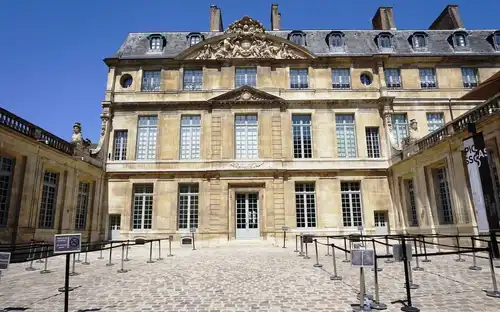
The museum finds its perfect home in the Hôtel Donon, a magnificent 16th-century French Renaissance mansion that was meticulously restored to accommodate these treasures. Visitors are treated to a seamless blend of architecture and art, as the building's noble stone walls, central paved courtyard, and high-pitched roofs provide an authentic backdrop for the collection. Inside, the wood-panelled salons and period-style rooms are designed to replicate the atmosphere of an aristocratic Parisian home, allowing the art to be viewed in a setting that feels domestic and personal rather than institutional.

The artistic holdings comprise over 1,200 objects, including masterpiece paintings by François Boucher, Jean-Honoré Fragonard, Watteau, and even a rare early work by Rembrandt. Beyond the canvases, the museum is a sanctuary for decorative arts, showcasing Meissen porcelain, intricate snuffboxes, and furniture stamped by the finest 18th-century cabinetmakers. The top floor, often featuring the building’s original timber framework, provides a striking contrast to the gilded floors below and typically hosts temporary exhibitions that delve deeper into the social and artistic nuances of the 1700s.

A visit to the Musée Cognacq-Jay offers a rare, quiet charm that escapes the city's larger crowds. The atmosphere is one of hushed elegance, where visitors can linger over the detail of a pastel portrait by Quentin de La Tour or admire the precision of a Sèvres mantle clock. By preserving the "spirit of the salon," the museum invites a slow, contemplative exploration of a golden age of French culture, making it a true hidden gem for those seeking the softer, more intimate side of Parisian history.

Highlights

  • The Hôtel Donon provides a stunning 16th-century backdrop for the museum's collection with its classic courtyard and garden architecture.
  • The collection features exquisite Rococo paintings by renowned artists such as François Boucher, Jean-Honoré Fragonard, and Jean-Baptiste-Siméon Chardin.
  • Visitors can admire rare Saxe porcelain figurines and various decorative art objects that reflect the refined tastes of the 18th century.
  • The museum showcases a prestigious selection of stamped furniture and luxury items like gold snuffboxes and intricate jewelry.
  • Masterpieces by foreign masters including Canaletto, Rembrandt, and Tiepolo are prominently displayed within the historic mansion's rooms.
  • Detailed sculptures by Houdon and Clodion capture the elegance and artistic spirit of the Age of Enlightenment.
  • The museum's wood-paneled rooms recreate the intimate atmosphere of an aristocratic Parisian home from the early 1900s perspective.

Must-Dos

  • Take a moment to peer closely at the enamel miniatures to appreciate the microscopic details and vibrant metallic oxides used to create these tiny, immortal portraits.
  • Climb the grand staircase to observe the dramatic 16th-century timber-framed ceiling, which offers a rare architectural contrast to the 18th-century treasures below.
  • Wander into the second-floor salon to find the delicate pastel portraits, noting how the soft, chalky textures capture the fleeting expressions of Enlightenment-era socialites.
  • Pause in the attic gallery space during temporary exhibitions to see how the historic mansion’s ancient beams interact with modern curation and natural light.
  • Stand quietly in the corner of the Grand Salon to experience the hushed, residential silence that makes this museum feel like a private home rather than a public institution.

Guidelines

  • All visitors must undergo a security screening at the museum entrance to ensure the safety of the collection and guests.
  • Please store large bags, backpacks, and umbrellas in the provided coat check as they are not permitted in the exhibition galleries.
  • You may take non-flash photography for personal use in designated areas, but the use of tripods and selfie sticks is strictly prohibited.
  • To protect the fragile 18th-century artworks, eating and drinking are not allowed within the museum's gallery spaces.
  • Please refrain from touching any of the furniture or art objects, as natural skin oils can cause irreversible damage to historic surfaces.
  • We kindly ask that you silence your mobile devices and avoid taking phone calls while inside the galleries to maintain a quiet atmosphere for all visitors.

Tips

  • Visit on a weekday morning right when the museum opens at 10:00 AM to enjoy the 18th-century collections in a quiet, intimate atmosphere before any crowds arrive.
  • Take advantage of the fact that entry to the permanent collections is completely free, though you will still need to collect a ticket from the counter at the entrance.
  • Since the museum is housed in the historic Hôtel Donon, be prepared for narrow 16th-century staircases that are not yet accessible for those with limited mobility.
  • Plan to spend extra time in the rear of the building to marvel at the intricate collection of miniatures and precious snuffboxes curated by Marie-Louise Jay.
  • Combine your visit with a stop at the nearby Musée Carnavalet or Place des Vosges, as they are both just a short walk away within the Marais district.
  • Check the museum's website in advance if you are interested in temporary exhibitions, as these require a paid ticket usually ranging between 7 and 9 euros.
  • Finish your tour by relaxing in the formal garden at the back of the mansion, which offers a peaceful escape from the busy streets of the 3rd Arrondissement.

Why Visit

Stepping into this under-the-radar cultural gem feels like gaining exclusive access to a private 18th-century residence, far removed from the bustling queues of Paris's larger landmarks. While the city's grander institutions focus on monumental scale, this museum celebrates the intimate artistry of everyday aristocratic life, where every stamped escritoire and Sèvres mantle clock tells a story of unparalleled craftsmanship. It is one of the few places in the world where you can stand mere inches from a rare early Rembrandt or a sweeping Canaletto without the barrier of velvet ropes, allowing for a deeply personal encounter with the masterpieces of the Enlightenment.

The true magic of the visit lies in the hushed elegance that permeates the wood-paneled salons, where the soft creak of original parquetry floors and the scent of history create a profound sense of tranquility. As natural light filters through the 16th-century windows of the Hôtel Donon, it illuminates the delicate, chalky textures of Quentin de La Tour’s pastel portraits and the vibrant metallic glint of enamel miniatures, offering a sensory connection to a vanished world. Wandering from the opulent lower floors to the dramatic timber-framed attic reveals a striking architectural narrative, shifting your perspective from the gilded indulgence of the Rococo to the raw, structural beauty of the French Renaissance.The Musée Cognacq-Jay is a masterpiece of intimacy, offering a rare and soulful escape into the refined spirit of a Parisian golden age.

When to Visit

Marais Morning Solitude

Arriving exactly at 10:00 AM on a Tuesday, Wednesday, or Thursday offers the most reliable window to navigate the Hôtel Donon without the weekend foot traffic of the Marais. Early weekday mornings ensure you can examine the delicate enamel miniatures and porcelain figurines without competing for space in the museum's intimate, wood-paneled rooms.

Enlightenment Era Illumination

Natural light filters most beautifully through the tall windows of this 16th-century mansion during the late morning, specifically between 10:30 AM and 12:00 PM, highlighting the intricate textures of the 18th-century woodwork and tapestries. If you prefer a moodier atmosphere that complements the gilded sconces and decorative arts, plan your exit shortly before the 6:00 PM closing time when the afternoon sun begins to dip behind the surrounding historic buildings.

How to Visit

Finding this museum is like discovering a secret door in the Marais. You will enter through the main portal at 8 Rue Elzevir, which leads you into the courtyard of the Hôtel Donon. Since this is a smaller, more focused institution, you should budget about 1.5 hours for your visit. This gives you plenty of time to linger over the intricate details of the decorative arts without feeling rushed.

Navigating the Gilded Salons

The museum is beautifully manageable, but to see it effectively, I recommend following a path that respects the history of the house.

  • Start on the ground floor to get a feel for the architectural layout and the earliest pieces of the collection.
  • Ascend to the first and second floors, where the wood-panelling creates the perfect environment for the 18th-century paintings and furniture.
  • Save the attic level for last; the exposed timber beams of the 16th-century roof provide a stunning contrast to the ornate treasures you have seen below.

Practical Perks for the Prepared

Keep in mind that the museum is closed on Mondays, so plan your Marais wanderings accordingly. There is a security screening at the entrance, so traveling light will make your entry much faster. If you find yourself needing a breather, the courtyard offers a lovely moment of quiet before you head back out into the vibrant energy of the district.

Schedules

Opening Hours

  • The Musée Cognacq-Jay is open from Tuesday to Sunday between 10:00 AM and 6:00 PM.
  • The museum remains closed on Mondays and certain public holidays throughout the year.
  • Final entry to the museum is permitted until the ticket office closes at 5:15 PM.
  • Visitors are required to begin vacating the exhibition rooms starting at 5:40 PM.

Special Days

The museum is closed on Mondays, January 1, May 1, and December 25, and closes early at 5:00 PM on December 24 and December 31.

Access to the permanent collections is free for all visitors every day, while temporary exhibitions typically require a paid ticket.

The venue remains open on several public holidays, including Easter, Ascension Day, May 8, July 14, August 15, and November 11.

How to get there

The Musée Cognacq-Jay is a hidden jewel of the Enlightenment, tucked away in the historic Hôtel Donon in the 3rd arrondissement of Paris. Located in the heart of the Marais district, it is easily accessible by a short walk through some of the city's most charming and aristocratic streets.

  • Metro: Line 1 to Saint-Paul, Line 8 to Chemin Vert, or Line 11 to Rambuteau.
  • Bus: Lines 29 and 96 to Saint-Claude or Turenne - Saint-Gilles, and lines 69 and 76 to Saint-Paul.
  • RER: Lines A and B to Châtelet – Les Halles, followed by a pleasant 15-minute walk or a quick metro connection.
Directions

Frequently Asked Questions about Musée Cognacq-Jay

While the museum offers limited space for small personal items, there are no large cloakrooms for suitcases or bulky backpacks. Due to the intimate scale of the Hôtel Donon and security measures common in Paris museums, visitors are advised to leave large luggage at their hotel or use external lockers in the Marais district.
Navigating the historic 16th-century Hôtel Donon with a stroller can be challenging due to narrow corridors and preserved architectural features. It is highly recommended to use a baby carrier instead to fully enjoy the wood-panelled salons and 18th-century art collections without mobility restrictions.
The most iconic photo opportunities are found within the second-floor gilded salons, where the Meissen porcelain and period furniture are displayed. The contrast between the refined decorative arts and the exposed timber framework on the top floor also offers a unique 'spirit of the salon' aesthetic perfect for photography.
Access to the permanent collection of Ernest Cognacq is generally free as it is a City of Paris museum. However, temporary exhibitions held on the upper floors usually require a paid ticket. You can purchase these on-site or through official 'Paris museums' booking platforms to see specific Age of Enlightenment displays.
The Musée Cognacq-Jay is most easily reached by taking the Metro Line 1 to 'Saint-Paul' or Line 8 to 'Chemin Vert'. Since it is tucked away on Rue Elzévir, walking through the historic Marais district allows you to appreciate the noble stone walls of the mansion before entering the paved courtyard.
Yes, the museum houses significant masterpiece paintings by François Boucher, Jean-Honoré Fragonard, and Watteau. Unlike the crowded galleries of the Louvre, this collection allows for a quiet, contemplative view of these 18th-century art treasures within a domestic, aristocratic setting.
To fully appreciate the 1,200 objects, including the intricate snuffboxes and Sèvres mantle clocks, plan to spend about 60 to 90 minutes. Its intimate scale makes it a perfect 'hidden gem' to visit between exploring other major sites in the Marais or nearby Paris museums.
Photography for personal use is permitted, but the use of flash and tripods is strictly prohibited to protect the delicate pastel portraits by Quentin de La Tour and the fragile decorative arts. This policy helps preserve the authentic 18th-century atmosphere for all visitors.
The museum occasionally offers themed guided tours that dive into the social nuances of the 1700s and the history of the founders, Ernest Cognacq and Marie-Louise Jaÿ. It is best to check the official schedule in advance, as many visitors prefer the 'slow exploration' permitted by self-guided visits.
Recommended
Mummified human remains and funerary objects in a modern, respectfully lit gallery at the Musee de l'Homme.
Vibrant street performers and colorful Holi festival celebrations at the historic Jardin d'Acclimatation in Paris.
Crowd at Jardin d'Acclimatation celebrating Holi with a vibrant explosion of colorful powders in the Parisian sky.
Archaeological artifacts from the Seine riverbed displayed in the underground crypt beneath Notre-Dame cathedral.
Sculptures of 20th-century conflict in the modernist Ateliers-musee Chana Orloff gallery in Paris.
Recommended
Digital art projections of Da Vinci and Michelangelo masterpieces illuminate a large immersive gallery space.
A selection of delicate pencil and pastel sketches by Pierre-Auguste Renoir displayed in a gallery.
Antique Korean beauty accessories and traditional paintings displayed in a modern museum gallery at Musée Guimet.
Vibrant interactive garden chapter at Cité des sciences featuring lush plants and sensory science displays.
Recommended
Elegant 18th-century gowns and contemporary couture on display in a grand gallery at Palais Galliera.
Recommended
Mannequins display vibrant contemporary African haute couture and textiles in a modern gallery space.
Vibrant avant-garde artwork and a Dreamachine light installation on display at the Brion Gysin exhibition in Paris.
Recommended
Visitors walk among sculptures in the vaulted glass hall of Musée d'Orsay, with others seated on benches.
4 exhibitions

Musée d'Orsay

  • Paris

Breathtaking Impressionist masterpieces housed within the timeless elegance of a magnificent Parisian station.

Recommended
Modern curved glass and metal Fondation Louis Vuitton building under a blue sky with trees and parked cars.
1 exhibition

Fondation Louis Vuitton

  • Paris

Where avant-garde art meets Frank Gehry’s breathtaking glass sails in the heart of Paris.

Recommended
Grand mansion at Musée Rodin viewed through manicured gardens with a central pond, statues, and trimmed bushes.
1 exhibition

Musée Rodin Paris

  • Paris

A historic mansion sanctuary where Rodin’s emotive masterpieces breathe amidst rose-filled gardens.

Recommended
Ornate stone Musée de l'Orangerie entrance with large columns and one person standing near the doorway.
2 exhibitions

Musée de l'Orangerie

  • Paris

A luminous sanctuary where Monets panoramic Water Lilies bloom in timeless Impressionist light.

Recommended
Grand neoclassical Palais Garnier with golden statues and a French flag under a blue sky.
1 exhibition

Palais Garnier

  • Paris

A breathtaking masterpiece of nineteenth-century opulence and legendary Parisian high culture.

Recommended
Vibrant abstract projections from the Kandinsky exhibition at the Atelier des Lumières digital art center.
1 exhibition

Atelier des Lumières

  • Paris

Masterpieces come alive through immersive light and sound in a historic Parisian foundry.

Recommended
Intricate metal framework of a large glass dome casting shadows on a mural of historical and mythical scenes.
1 exhibition

Bourse de Commerce - Pinault Collection

  • Paris

A sanctuary of contemporary masterpieces housed within a masterfully restored historic dome.

Neoclassical building with tall columns, large windows, outdoor seating, and a statue holding a spear.
2 exhibitions

Musée d'Art Moderne de Paris

  • Paris

A sanctuary of avant-garde masterpieces and evolving contemporary narratives in the heart of Paris.

Historic courtyard at Musée de l'Armée with arched windows and a golden-domed building under a partly cloudy sky.
1 exhibition

Musée de l'Armée & Napoleon's Tomb

  • Paris

France's storied military legacy rests beneath a majestic golden dome of timeless architectural grandeur.

Grand building with arched windows, statues, and a central fountain, surrounded by lawns and city buildings.
2 exhibitions

Palais Galliera

  • Paris

A grand Renaissance palace enshrining the timeless evolution of French fashion and contemporary artistry.

Exhibit wall with multilingual text about Georges Méliès, surrounded by framed portraits and illustrations.
1 exhibition

La Cinémathèque Française

  • Paris

A stunning Frank Gehry masterpiece housing the world's most prestigious collection of cinematic treasures.

Elegant stone mansion with arched doorways and a columned entrance, set within a manicured courtyard.
1 exhibition

Musée Jacquemart-André

  • Paris

An opulent Haussmann-era mansion housing one of the city's most prestigious private art collections.