Plumes Du Paradis
- Musée du quai Branly - Jacques Chirac, Paris
22 May - 8 Nov 2026
From€14.00
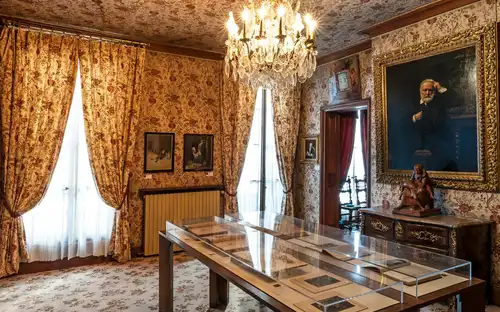
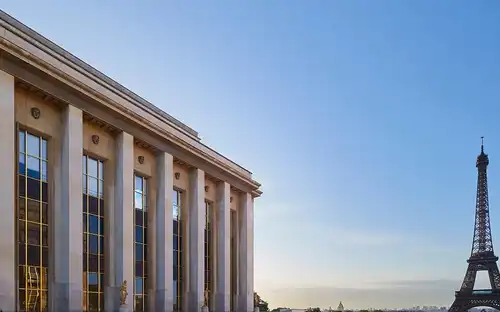
Nestled on the quiet Avenue Vélasquez just steps from the verdant Parc Monceau, the Musée Cernuschi stands as a testament to the life and passion of Henri Cernuschi, an Italian-born patriot and financier. Following an extensive tour of Asia between 1871 and 1873, Cernuschi returned to Paris with an immense collection of approximately 5,000 works of art. To house these treasures, he commissioned a neoclassical-style mansion (or hôtel particulier), which he bequeathed to the City of Paris upon his death in 1896. Opening as a museum in 1898, it is now the second-oldest Asian art museum in France and a cornerstone of Japonisme and Asian studies in Europe.
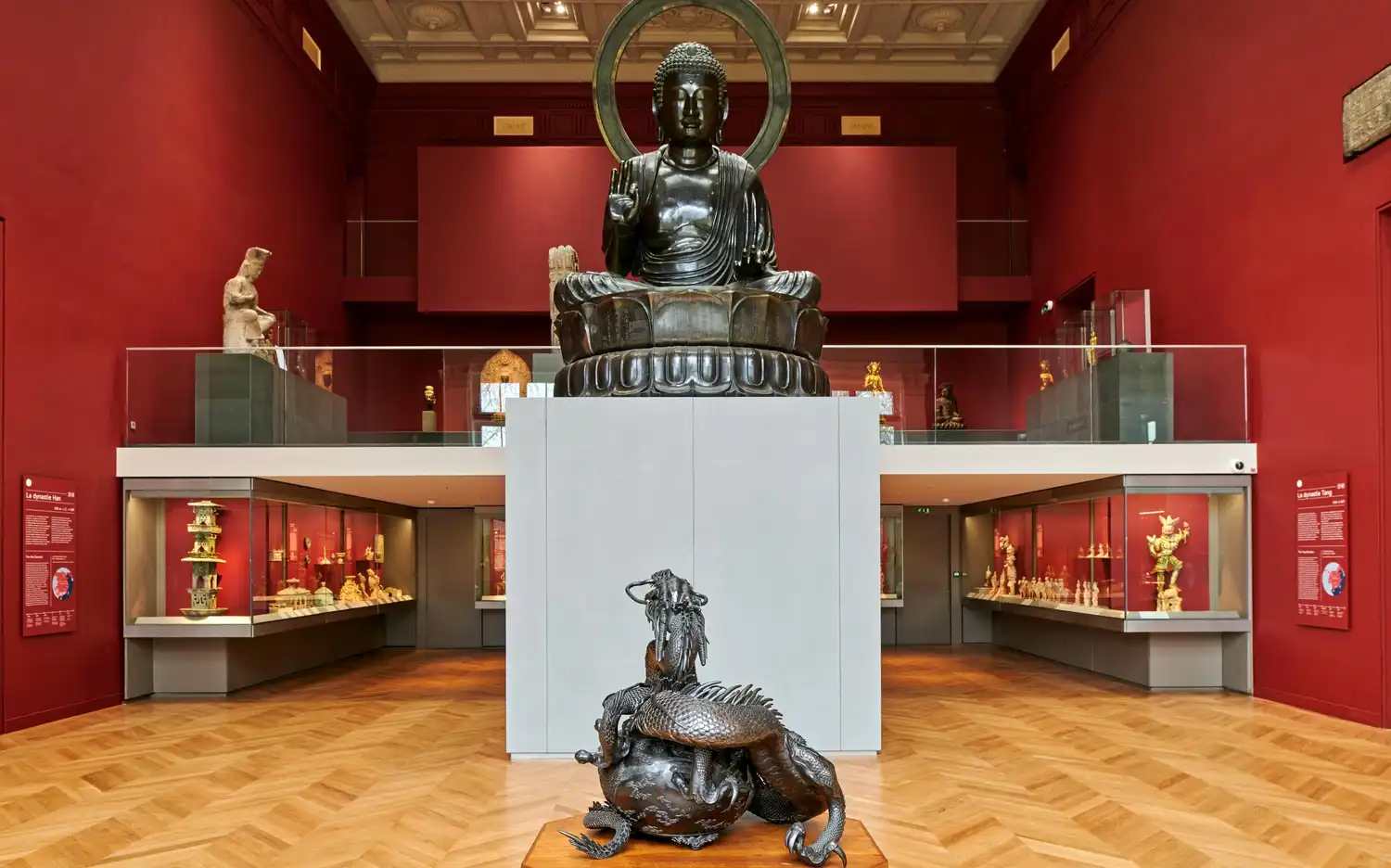
The architecture of the mansion itself is a highlight, designed to transport visitors from the Haussmannian streets of the 8th arrondissement into a contemplative, temple-like atmosphere. The facade features mosaic medallions of Aristotle and Leonardo da Vinci, while the interior is centered around the majestic Buddha Hall. This vast, high-ceilinged room is dominated by the Great Buddha of Meguro, a monumental 18th-century Japanese bronze acquired by Cernuschi in Japan. Recent renovations completed in 2020 have revitalized the space, introducing a redesigned visit programme that follows a chronological and thematic path, showcasing everything from ancient Chinese bronzes to contemporary paintings.
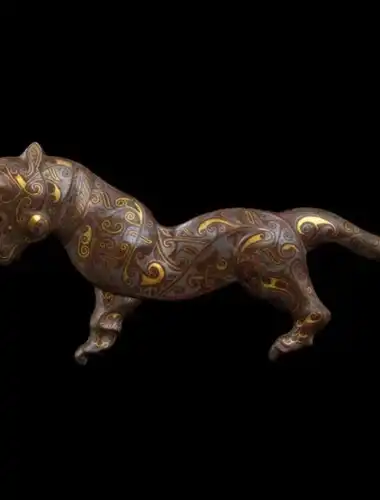
Visitors today can explore a collection that has grown to nearly 15,000 objects, covering over 5,000 years of history. The museum is particularly renowned for its Chinese art collection, featuring exquisite Neolithic jades, Shang dynasty bronzes, and Tang dynasty funerary statuettes. Beyond China, the galleries offer a rich panorama of artifacts from Japan, Korea, and Vietnam. A standout feature of the modern layout is the Salle Peinture, which highlights the museum's pioneering role in collecting modern and contemporary Asian art, specifically works by Chinese artists of the School of Paris.
The atmosphere of the Musée Cernuschi is one of serene elegance and intellectual discovery. Unlike the sprawling halls of the Louvre, this "human-sized" museum offers an intimate experience where the beauty of individual objects—from delicate ceramics to a twelve-meter-high wood sculpture of Japanese dragons—can be fully appreciated. Because the permanent collections are free to the public, it serves as an accessible cultural sanctuary, inviting a moment of Zen-like reflection before visitors emerge back into the sunlight of the adjacent park.
Escape the standard tourist circuit and step into a world of understated luxury and ancient mystery at the Musée Cernuschi. While the masses queue at the Louvre, you can enjoy a sophisticated, "human-sized" encounter with the Far East within a magnificent 19th-century hôtel particulier. This hidden gem offers a rare opportunity to stand face-to-face with the colossal Great Buddha of Meguro and examine the unrivaled craftsmanship of 3,000-year-old Chinese bronzes in a setting that feels more like a private invitation than a public gallery. With its doors open for free exploration of the permanent treasures, it is quite simply the most elegant cultural bargain in the 8th arrondissement.
The experience begins the moment you pass through the ornate gilt gates of Avenue Velasquez, where the city's roar fades into a tranquil hush. Inside, the Buddha Hall acts as a cathedral of calm, where soft light pours through large windows and the scent of history and wax lingers in the air. You’ll find yourself captivated by the contemplative atmosphere, as the museum's layout leads you on a zen-like journey from prehistoric relics to the vibrant energy of contemporary Asian painting. It is a place where you don't just view art; you breathe in the legacy of a man who traveled the world to bring the soul of Asia to the heart of Paris.The Musée Cernuschi is a transcendent portal where the opulent architecture of Paris meets the timeless spirit of the East, offering a peaceful and profound immersion into five millennia of artistic genius.
Serene Mornings with the Great Buddha
Arriving at the museum right at 10:00 AM on a Tuesday or Wednesday provides the most tranquil atmosphere, allowing you to appreciate the monumental Japanese bronze sculpture without the pressure of a crowd. Since the museum is closed on Mondays, mid-week mornings offer a significant advantage over weekends when locals and tourists alike frequent the nearby Parc Monceau. Most large tour groups overlook this municipal gem in favor of the Louvre, meaning those first two hours of operation are exceptionally quiet and ideal for navigating the grand mansion's prehistoric Chinese and Japanese relics in near solitude.
Tracking Daylight through the Grand Mansion
Natural light floods the main hall through expansive windows, making the period between 11:00 AM and 1:00 PM the optimal window for viewing the intricate details of the bronze collection. The soft, indirect light during these midday hours highlights the textures of the artifacts without creating the harsh, distracting shadows often found in late afternoon. Because the museum is set within a historic residential enclave, the surrounding architecture of Avenue Vélasquez ensures that the internal lighting remains steady and sophisticated throughout the morning, providing perfect conditions for those wishing to see the Great Buddha of Meguro in its most majestic, evenly lit state.
To navigate this exquisite collection effectively, you should set aside approximately 1.5 to 2 hours. This duration allows for a relaxed pace through the permanent galleries and a moment to absorb the central masterpieces. The museum's entrance is conveniently located at 7 Avenue Velasquez, right at the edge of the park.
Masterful Maneuvering Through the Mansion
For the most logical flow, I recommend following a chronological path that mirrors the evolution of Far Eastern artistry. This ensures you see the most significant relics in their historical context.
The Secret to a Seamless Visit
Since the permanent collections are free to the public, there is no need for a reservation to see the core treasures. However, if you plan to visit a temporary exhibition, you must book a time-stamped ticket online in advance to guarantee entry. Upon arrival, use the main entrance at Avenue Velasquez; the secondary gates from the park are often for exit only. For a more interactive experience, check the reception desk for the touch-screen tablet guides available in English, which provide deep dives into the travel journals of Henri Cernuschi.
The museum is closed on Mondays, 1 January, 1 May, and 25 December.
Access to the permanent collections is free for all every day without a reservation.
The venue remains open on various public holidays including Easter Monday, Ascension Day, and 15 August.
Nestled within the refined 8th arrondissement, the Musée Cernuschi sits on a quiet residential avenue adjacent to the verdant Parc Monceau, offering an accessible retreat into Asian history. The museum is well-connected to the city's transport network, making it a straightforward destination for those traveling from any corner of Paris.
Complete your cultural itinerary with the 10 other top-rated exhibitions in Paris in 2026.
Explore the 9 other top-rated cultural attractions to visit in Paris in 2026.