A leopard prowls through dense green foliage near a textured tree trunk at the Ménagerie du Jardin des Plantes.

Ménagerie du Jardin des Plantes

  • Paris

Nestled in the heart of Paris, the Ménagerie du Jardin des Plantes offers a captivating encounter with 1,200 animals within one of the world's most historic zoological exhibitions. This premier cultural site combines a legacy of wildlife conservation with rare opportunities to observe mammals, birds, and reptiles in a majestic, centuries-old setting.

The Ménagerie du Jardin des Plantes is a captivating journey into the past, holding the title of the second oldest zoological garden in the world. Established in 1794 during the French Revolution, its origins are deeply tied to the fall of the monarchy, as it was founded to house animals transferred from the Royal Menagerie at Versailles and various traveling circuses. This historic site was envisioned as a place where nature could be studied scientifically and shared with the public, moving away from the private, aristocratic collections of the past. Today, it remains an integral part of the Muséum national d'Histoire naturelle, serving as a sanctuary for biodiversity in the very heart of the 5th arrondissement.

The architectural charm of the Ménagerie is unparalleled, featuring a collection of structures that are themselves protected historic monuments. Visitors will be struck by the Rotonde, a neoclassical building shaped like the cross of the Legion of Honor, and the exquisite Grande Volière, an immense metal-framed aviary that was a marvel of 19th-century engineering. The zoo is also famous for its Fabriques, small log-cabin style shelters built from wood and stone, designed to mimic a rustic, idealized version of nature. These artistic elements create a distinct aesthetic that blends the scientific rigor of the Enlightenment with the romanticism of the Belle Époque.

Atmospherically, the zoo offers a tranquil, verdant escape from the bustling streets of Paris. Because the site is constrained by the surrounding botanical garden and the Seine, it has focused its conservation efforts on small and medium-sized species that thrive in its intimate settings. As you wander the winding pathways, you will encounter rare creatures such as Red Pandas, Snow Leopards, and Orangutans, including the legendary Nénette. The environment is one of quiet contemplation, where the rustle of leaves in the Jardin des Plantes mingles with the calls of exotic birds, offering a unique sense of "peace in the city."

Beyond its visual and historical appeal, the Ménagerie is a vital center for species conservation and research. With a focus on animals that are often endangered or extinct in the wild, such as the Arabian Oryx or the Przewalski’s Horse, the institution plays a global role in maintaining genetic diversity. For the modern traveler, a visit is not merely about viewing animals but about appreciating a living museum where scientific advancement, revolutionary history, and architectural beauty converge to tell the story of our evolving relationship with the natural world.

Highlights

  • Observe rare red pandas housed in unique 18th-century architectural structures.
  • Explore the world's second oldest zoological garden, which was established in 1794.
  • Visit the Fauverie to see majestic big cats like the North-Chinese leopard.
  • Discover a diverse collection of 1,200 animals, including endangered species and medium-sized mammals.
  • Walk through the historic Rotonde, a gem of neoclassical architecture that once housed royal animals.
  • Meet Nénette, the famous female orangutan who has lived at the zoo since 1972.
  • Admire a variety of colorful birds and reptiles within the beautifully listed historic monuments.

Must-Dos

  • Step into the Vivarium to discover a world of intriguing insects and amphibians in a historic setting.
  • Pause at the Grand Volière to listen to the diverse chorus of birds from around the globe.
  • Seek out the Przewalski's horses to see one of the few truly wild horse species remaining today.
  • Stroll through the leafy pathways to enjoy a peaceful retreat from the surrounding city bustle.
  • Look for the detailed stone carvings on the animal enclosures that reflect the site's rich 18th-century heritage.
  • Observe the playful antics of the snow leopards as they navigate their rocky terrain.

Guidelines

  • All visitors must undergo a mandatory bag check at the entrance to ensure no prohibited items enter the grounds.
  • It is strictly forbidden to feed or touch any of the animals to protect their health and specialized diets.
  • Visitors must remain on designated visitor paths and are prohibited from reaching into or climbing on any animal exhibits.
  • To avoid startling the wildlife, guests are asked to refrain from making loud noises or disruptive sounds near the enclosures.
  • You are prohibited from picking flowers, climbing trees, or walking through any of the botanical flower beds.
  • Photography for personal use is permitted, but the use of selfie sticks and tripods is strictly prohibited within the venue.
  • For the safety of the animals, please do not throw objects or any items into the animal enclosures.

Tips

  • Arrive at 10:00 right when the gates open to see the animals at their most active before the midday heat.
  • Purchase your tickets online in advance to skip the potentially hours-long ticket-purchase queue and head straight to the security line.
  • Plan to spend at least half a day if you are visiting with children to properly explore the zoo, botanical gardens, and museum.
  • Visit during weekdays rather than weekends to enjoy a much quieter and more peaceful experience with fewer crowds.
  • Look for the rare red pandas which are housed in unique 18th-century architectural structures throughout the sanctuary.
  • Wear comfortable walking shoes as the Ménagerie is spread across a large area with many paths to explore.
  • Combine your visit with a stroll through the larger Jardin des Plantes to see the historic greenhouses and the Musée National d'Histoire Naturelle.

Why Visit

While the sprawling modern zoos of the world offer scale, the Ménagerie du Jardin des Plantes offers a rare, intimate connection to wildlife set within a literal outdoor gallery of 19th-century Art Deco and neoclassical masterpieces. This is not just a walk through a zoo; it is a walk through a living timeline of human curiosity, where you can stand face-to-face with a North-Chinese leopard in a majestic vaulted pavilion or watch the playful acrobatics of red pandas nestled against the backdrop of historic stone masonry. In the heart of the 5th arrondissement, this sanctuary provides a crucial refuge for over 150 species, many of which are part of vital global breeding programs. It is a place where you can visit Nénette, the iconic orangutan who has been a Parisian resident for over half a century, witnessing firsthand the profound bond between the city and its most exotic inhabitants.

As you step away from the urban roar, the atmosphere shifts into a tranquil, verdant escape where the air is filled with the calls of tropical birds echoing from the Grand Volière. There is a deep, emotional resonance in watching the rare Przewalski's horses—descendants of truly wild ancestors—roam through pathways lined with century-old trees and intricate stone carvings. The sensory experience is one of quiet discovery: the cool, humid air of the Vivarium teeming with life, the dappled sunlight hitting the fur of a snow leopard, and the rustic charm of the Fabriques log cabins that make you feel as though you have discovered a forgotten forest in the center of the capital. It is an invitation to slow down, to breathe, and to reflect on our shared history with the natural world in a setting that feels entirely untouched by time.The Ménagerie du Jardin des Plantes is a breathtaking fusion of architectural elegance and wildlife conservation, offering a soulful, intimate journey into the heart of nature that no traveler should miss.

When to Visit

Early Gate Entry for Animal Activity

Entering right at 10:00 AM provides the most tactical advantage for navigating the grounds. Arriving when the gates first open allows you to observe the animals before the midday heat sets in and before the peak afternoon school groups arrive. Aim for a Tuesday or Thursday visit to avoid the heavier weekend family traffic, ensuring a clearer path through the historic 18th-century pathways.

Soft Light Across the Rotunda

Photographers and those seeking optimal visibility should target the final 90 minutes before the 5:00 PM closing time. The low-angled sun during this window illuminates the red brick facades of the historic enclosures and the glass surfaces of the vivarium with a warm, diffused glow. This late afternoon period also sees a significant dip in visitor numbers, providing a calmer environment to navigate between the outdoor paddocks and indoor galleries.

How to Visit

To make the most of your trip to this historic Parisian gem, I recommend budgeting at least 1.5 to 2 hours. This timeframe allows you to wander the winding paths at a leisurely pace without feeling rushed, ensuring you can spend a few extra minutes at the more popular enclosures or inside the beautiful indoor galleries.

Navigating the 5th Arrondissement Gates

For the smoothest start to your visit, aim for the entrance at 2 Place Valhubert. It is conveniently located near the Gare d'Austerlitz, making it the most accessible point if you are arriving by Metro or RER. Once you clear the mandatory bag check, you are immediately positioned at the eastern edge of the grounds, perfect for starting a loop that covers the entire site.

A Curated Path Through the Menagerie

The grounds are laid out in a way that rewards a circular route. Following a counter-clockwise path from the main entrance ensures you hit the major landmarks in a logical flow:

  • Begin by heading toward the Vivarium, a stunning structure where you can spot diverse amphibians and reptiles in a climate-controlled environment.
  • Continue your walk toward the Grand Volière to see the tropical bird species before looping around to the large mammal paddocks.
  • Make sure your route passes the iconic Rotunda, one of the oldest buildings on-site, which typically serves as a central landmark for navigating toward the exit.
  • End your journey near the Przewalski’s horses and the smaller specialized enclosures, which lead you naturally back toward the botanical gardens if you wish to continue your day in the larger Jardin des Plantes complex.

Schedules

Opening Hours

  • The Ménagerie du Jardin des Plantes is open every day of the year from 10:00 AM to 5:00 PM.
  • Closing times may extend to 5:30 PM or 6:00 PM depending on the specific season and daylight hours.
  • Last admission is strictly permitted until 45 minutes or one hour before the daily closing time.

Special Days

The zoo is open every day of the year including public holidays, with the sole exception of Christmas Day when it remains closed.

While most Parisian museums close for Labour Day on May 1st, the Ménagerie typically remains open to visitors during its regular hours.

Entry is free for children under 3 years old, though no other specific recurring free entry days are designated for the general public.

How to get there

The Ménagerie du Jardin des Plantes is gracefully situated in the 5th arrondissement, nestled along the left bank of the Seine within the historic botanical gardens. This storied zoological site is exceptionally accessible, serving as a central hub for various public transit routes that connect it to the rest of the city.

  • Metro: Take Line 5 or 10 to Gare d'Austerlitz, Line 7 or 10 to Jussieu, Line 7 to Place Monge or Censier - Daubenton, or Line 5 to Quai de la Rapée or Saint-Marcel.
  • RER: Take Line C to Gare d'Austerlitz or Lines A and D to Gare de Lyon, followed by a short walk across the river.
  • Bus: Lines 24, 57, 61, 63, 67, 89, and 91 all stop at stations surrounding the garden, such as Gare d'Austerlitz, Cuvier, or Place Valhubert.
  • Batobus: Seasonal river shuttle service stops at the Jardin des Plantes quay, providing a scenic arrival by the Seine.
  • Train: National and regional trains arrive directly at the nearby Gare d'Austerlitz and Gare de Lyon terminals.
Directions

Frequently Asked Questions about Ménagerie du Jardin des Plantes

For security reasons related to the 'Vigipirate' plan in France, the Ménagerie du Jardin des Plantes does not provide cloakrooms or luggage storage. Visitors are advised not to bring large bags or suitcases, as items exceeding 55x35x20 cm are strictly prohibited from entering this historic zoo.
Yes, the zoo is accessible for strollers and pushchairs. While the pathways throughout the botanical garden and animal exhibitions are mostly paved or comprised of stabilized gravel, please note that some interior spaces within the 18th-century architecture and smaller pavilions may have narrow doorways or limited space.
The most iconic photo locations include the neoclassical 'Rotonde', designed in the shape of the Legion of Honor cross, and the 'Grande Volière', a stunning 19th-century metal-framed aviary. For a more rustic shot, look for the 'Fabriques', which are charming wood and stone shelters that represent a romanticized version of nature.
Absolutely. The Ménagerie du Jardin des Plantes specializes in small to medium-sized endangered species. You can find rare red pandas nestled in the trees and snow leopards prowling their enclosures. These animal exhibitions are part of a global conservation effort to protect species that are often threatened in the wild.
Yes, the Ménagerie du Jardin des Plantes and the various galleries of the Muséum national d'Histoire naturelle (such as the Grande Galerie de l'Évolution) require separate admission tickets. However, you can often find combined 'Pass' options if you plan to visit multiple institutions within the botanical garden on the same day.
While much of the Ménagerie is an outdoor experience, there are several covered indoor spaces including the Vivarium, the Reptile House, and the monkey houses. These historic monuments provide a dry refuge where you can observe exotic species while admiring the intricate 19th-century engineering of the buildings.
There are no major restaurants inside the zoo itself, but there are casual kiosks for snacks and drinks. Visitors are welcome to use the designated picnic benches within the zoo grounds. Additionally, the surrounding Jardin des Plantes botanical garden offers several cafes and beautiful lawns perfect for a break between viewing animal exhibitions.
To fully appreciate the animal exhibitions and the unique 18th-century architecture, you should allocate approximately 1.5 to 2 hours. If you are a photography enthusiast or traveling with children who want to see every detail of the red pandas and orangutans, a 3-hour visit is recommended.
The most convenient Metro stations are 'Gare d'Austerlitz' (Lines 5 and 10, RER C) and 'Jussieu' (Lines 7 and 10). Both are just a short walk from the entrance of the botanical garden in the 5th arrondissement, making this historic zoo one of the most accessible Parisian landmarks for tourists.
Vibrant birds of paradise and intricate New Guinean feathered headdresses on display at Musée du Quai Branly.
Detailed architectural sketches and manuscripts displayed in the historic, red-walled gallery of Maison Victor Hugo.
Immersive cubistoid wall paintings with intersecting lines in the historic chapel of Musée Picasso Paris.
Recommended
Vintage prints and cameras on display at the Robert Capa War Photographer exhibition in Paris.
Vibrant 360-degree projections of 17th-century French fables in a modern, immersive gallery space.
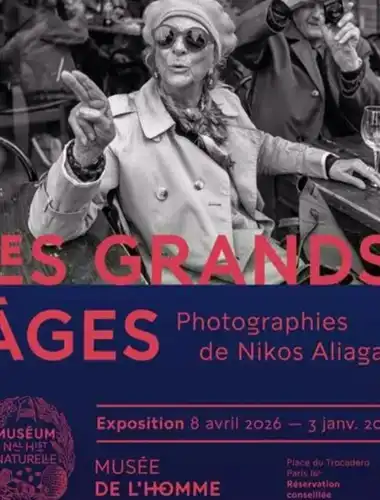
Close-up photography of elderly individuals displayed in the modern gallery space at Musée de l'Homme in Paris.
Modern gallery space featuring digital replicas and contemporary art displays for the Heritage in Resistance exhibition.
Intricate historical animal sculptures and artworks from the Al Thani Collection displayed in a sophisticated gallery setting at the Hotel de la Marine.
An interactive gallery space featuring thought-provoking displays and narratives designed to challenge perceptions and encourage analytical evaluation of information at the Cité des sciences et de l'industrie.
Immersive video mapping of the US-Mexico border projected onto large screens in a darkened gallery space.
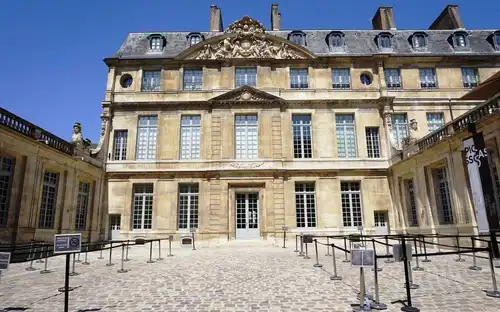
Stone Musée National Picasso-Paris with ornate sculptures and large windows under a clear sky from a courtyard.
1 exhibition

Musée national Picasso-Paris

  • Paris

The profound legacy of the twentieth century’s most iconic artist in the historic Marais.

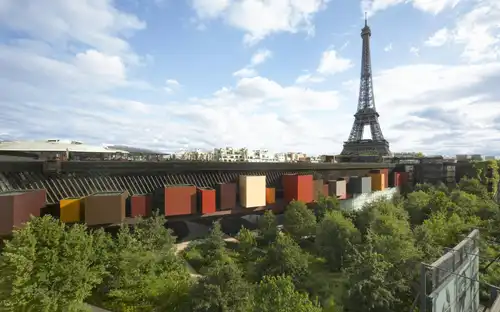
Colorful block-shaped museum buildings surrounded by lush trees with the Eiffel Tower in the background.
1 exhibition

Musée du quai Branly - Jacques Chirac

  • Paris

An global odyssey through the world's most evocative indigenous arts and ancient cultural treasures.

Musée de l’Homme at Palais de Chaillot with golden statues on a geometric plaza under a clear blue sky.
1 exhibition

Musée de l’Homme

  • Paris

A masterfully curated journey through the ancient artifacts and prehistoric origins of humanity.

Stone building with archways and windows, partially obscured by trees, with pedestrians on the sidewalk.
1 exhibition

Musée de la Libération de Paris - Musée du Général Leclerc - Musée Jean Moulin

  • Paris

An evocative journey through the clandestine courage that secured the liberation of Paris.

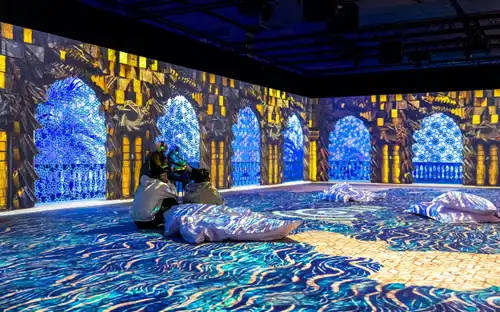
A 360-degree video projection of colorful scenes in the Hall of Dreams at Cité Immersive des Fables.
1 exhibition

Cité Immersive des Fables

  • Paris

A sensory voyage through poetic masterworks and breathtaking 360-degree projections.

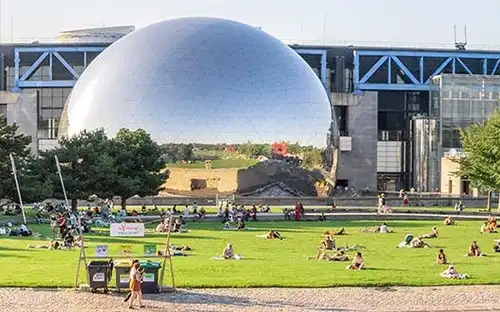
People relax in a sunny park with trees and a large metallic dome at Cité des sciences et de l’industrie.
2 exhibitions

Cité des sciences et de l'industrie

  • Paris

Europe's largest science sanctuary where avant-garde innovation meets immersive, celestial discovery.

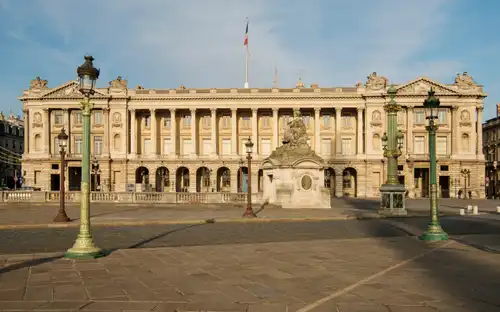
Historic Hôtel de la Marine with French flag, ornate facade, columns, and a statue in a stone-paved square.
1 exhibition

Hôtel de la Marine

  • Paris

Exquisite 18th-century apartments reflecting the golden age of French royal elegance and design.

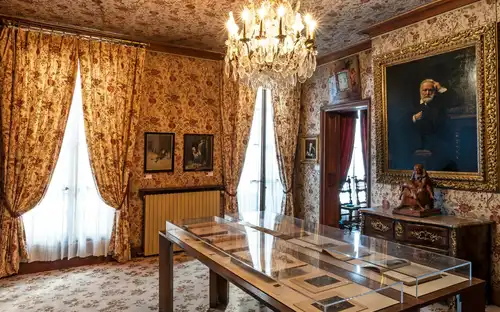
Ornate room at Maison Victor Hugo with floral wallpaper, a chandelier, antique furniture, and a document display.
1 exhibition

Maison Victor Hugo

  • Paris

Timeless historic rooms and original manuscripts within the author’s elegant Parisian townhouse.

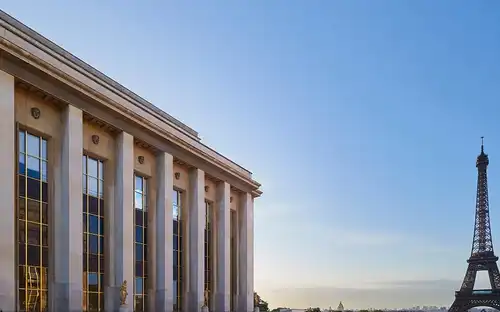
Cité de l'architecture et du patrimoine building with columns and the Eiffel Tower under a clear blue sky.
1 exhibition

Cité de l'architecture et du patrimoine

  • Paris

A grand odyssey through the intricate evolution of French architectural mastery and design.