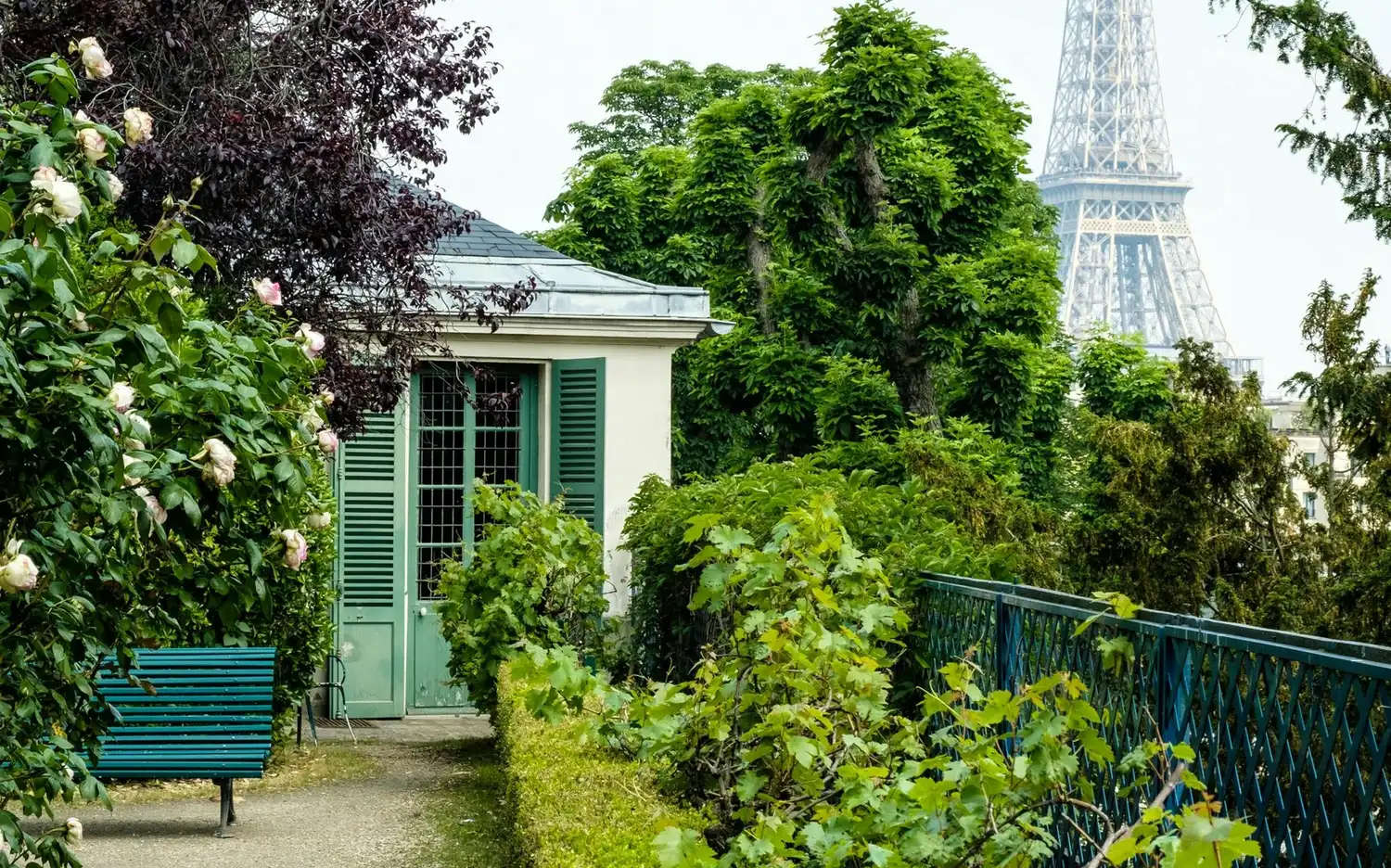
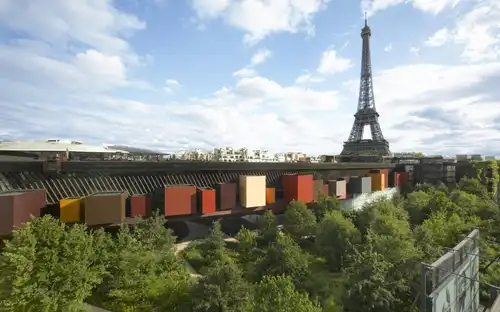
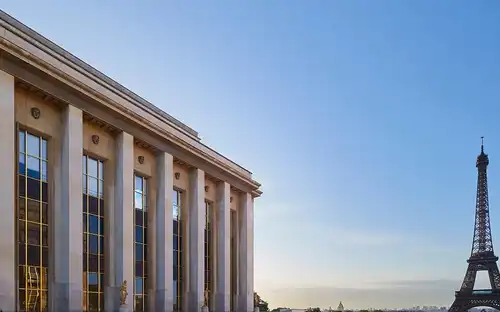
Garden path and bench leading to the Maison de Balzac with the Eiffel Tower in the distance.

Maison de Balzac

  • Paris

Step inside the only surviving home of novelist Honoré de Balzac in Paris, where he edited his legendary magnum opus, La Comédie Humaine. This intimate museum offers a rare look into the workspace where masterpieces like La Cousine Bette were born, making it a must-visit for literary exhibitions.

Nestled in the picturesque Passy neighborhood of the 16th arrondissement, the Maison de Balzac serves as a profound monument to one of France’s most prolific literary geniuses, Honoré de Balzac. This modest house was the author's primary residence from 1840 to 1847, a period of intense creativity where he labored under the pseudonym Monsieur de Breugnol to evade persistent creditors. It is the only one of Balzac's many Parisian homes that has survived to the present day, standing as a rare architectural remnant of the old village of Passy before it was swallowed by the grand urban transformations of Haussmann.

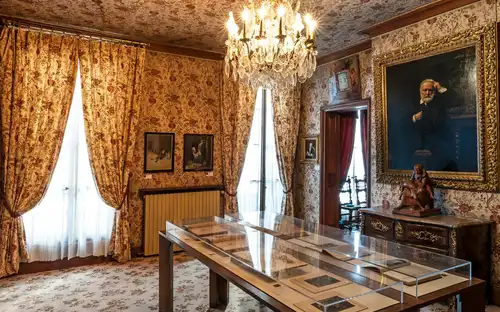
The museum’s architecture is uniquely adapted to the sloping terrain of the hillside, featuring a clever layout where only the top floor is visible from the street, while the others appear to be underground. This design provided Balzac with a crucial discreet escape route via a back door leading to the winding Rue Berton, allowing him to slip away unnoticed by debt collectors. Inside, the rooms have been meticulously preserved to reflect the 19th-century atmosphere, housing intimate treasures such as the author's original writing desk and chair, his famous turquoise-studded cane, and the very coffee pot that fueled his legendary midnight-to-dawn writing sessions.

Visitors will find themselves immersed in the "inner world" of the author through a collection of over 1,000 character silhouettes, annotated manuscripts, and rare first editions of his magnum opus, La Comédie Humaine. One specific room is dedicated entirely to the secrets of this sweeping 90-work collection, featuring a massive genealogical painting of the characters Balzac meticulously imagined within these very walls. The experience is both educational and deeply personal, offering a window into the rigorous discipline and "shared universe" concept that Balzac pioneered long before modern media.

Beyond the historical displays, the museum offers a serene, bucolic atmosphere in its 650-square-meter secret garden. This verdant oasis, filled with native plants and flowering fruit trees, provides a breathtaking and unexpected view of the Eiffel Tower framed by greenery. It is an ideal spot for reflection, much as it was for the writer himself. To complete the experience, the onsite café, The Rose Bakery, invites guests to enjoy organic treats in this quiet haven, making the Maison de Balzac not just a site for literary pilgrimage, but a peaceful retreat from the modern hustle of Paris.

Highlights

  • The Original Writing Desk in mahogany is the very spot where Balzac edited his monumental work, La Comédie Humaine.
  • Explore the Writer's Personal Belongings including his distinctive turquoise-topped cane and a tea service gifted by his wife.
  • The Secret Garden offers a tranquil escape with spectacular and unobstructed views of the Eiffel Tower.
  • Examine the Extensive Collection of Manuscripts and rare editions that provide deep insight into Balzac's creative process.
  • The Bust of Balzac by Auguste Rodin captures the intense spirit of the legendary novelist in a striking sculptural form.
  • Walk through the Authentic Living Spaces to experience the modest atmosphere of the writer's final Parisian sanctuary.

Must-Dos

  • Search for the large blue wooden door on Rue Raynouard to find the discreet entrance to this hillside sanctuary.
  • Descend the thirty-two steps from the street level to reach the house nestled on a lower terrace.
  • Slip out through the hidden gate onto the narrow, cobbled Rue Berton to see Balzac's secret escape route from creditors.
  • View the 1842 daguerreotype to see one of the earliest and most detailed photographic portraits of the author.
  • Visit the Rose Bakery onsite to enjoy a coffee while looking out over the quiet slopes of the 16th arrondissement.
  • Stroll through the Passy neighborhood surrounding the museum to experience a rare part of Paris that resisted Haussmann's major transformations.

Guidelines

  • All visitors and their belongings must pass through a security check at the entrance to ensure the safety of the museum.
  • You are encouraged to store rucksacks, suitcases, or bags larger than 30 x 30 cm in the free locker service provided.
  • Please refrain from bringing umbrellas, food, or drinks into the exhibition rooms to help preserve the literary collections.
  • Personal photography is permitted in the permanent galleries using handheld cameras or cell phones without the use of a flash.
  • The use of professional equipment such as tripods, monopods, or selfie sticks is strictly prohibited throughout the house and garden.
  • Small bags are allowed inside the museum but must be carried by your side rather than worn as a backpack to prevent accidental contact with exhibits.
  • Service animals are the only pets allowed to accompany visitors inside the historic residence.

Tips

  • Arrive at 47 Rue Raynouard early in the morning between 10:00 am and 12:00 pm to enjoy the quietest atmosphere in the garden before the afternoon crowds arrive.
  • While the main entrance is at 47 Rue Raynouard, you can also enter through 49 Rue Raynouard for easier access to the museum reception and garden.
  • Take advantage of the free admission to the permanent collections, but be prepared to pay a small fee if you wish to see the temporary exhibitions.
  • Visit on a clear day to fully appreciate the secret garden, which offers one of the most unique and peaceful views of the Eiffel Tower framed by greenery.
  • Wear comfortable, stable walking shoes as the garden paths consist of gravel and uneven surfaces that can be tricky in high heels.
  • Plan your visit for a Tuesday to Sunday since the museum is always closed on Mondays and major holidays like May 1st.
  • After exploring the house, stop by the Rose Bakery café located on-site to enjoy a coffee or pastry with a direct view of the Iron Lady.

Why Visit

For those seeking the soul of literary Paris, a pilgrimage to the Maison de Balzac is an absolute necessity. Far from the sterile atmosphere of traditional galleries, this hillside sanctuary offers a rare, intimate encounter with the creative fire that fueled La Comédie Humaine. By stepping through the discreet blue door and descending into this architectural curiosity, you aren't just visiting a museum; you are entering a preserved 19th-century time capsule. The sheer thrill of standing inches from the mahogany desk where a genius labored by candlelight, fueled by his legendary coffee pot, creates a connection to history that is visceral and profoundly moving.

The true magic of the estate lies in its sensory contrast, where the heavy weight of literary legacy meets the ethereal beauty of a secret garden. As you wander through the verdant grounds, the scent of fruit trees and the soft rustle of leaves provide a peaceful counterpoint to the intense, crowded world of Balzac’s characters. The moment you look up to find the Eiffel Tower standing as a silent sentinel over this quiet retreat, a wave of perspective washes over you—a reminder that the most enduring monuments are often built in the quietest corners of the city.The Maison de Balzac is a profound journey into the heart of human ambition, where the echo of a writer's pen still lingers in a garden that offers the most enchanting and unexpected view in all of Paris.

When to Visit

Morning Serenity in the Writing Room

The museum opens its doors at 10:00 am, which is the prime window to explore the intimate quarters before the afternoon influx of tourists. Arriving between 10:00 am and 12:00 pm on Tuesday through Friday ensures the quietest atmosphere for viewing Balzac's original writing desk and manuscripts without disruption. Since the museum remains closed every Monday, mid-week mornings offer the highest probability of a solitary experience within the hillside sanctuary.

Eiffel Views and Garden Glow

Photographers and those seeking the best natural light should prioritize the late morning hours when the sun illuminates the secret garden and provides a clear, bright backdrop of the nearby Eiffel Tower. While the museum stays open until 6:00 pm, the hillside geography of the Passy neighborhood can create long shadows in the garden by late afternoon. Entering no later than 4:00 pm allows for a full tour of the permanent collections and a well-lit stroll along the gravel paths before the final entry cutoff at 5:30 pm.

How to Visit

Finding your way to the Maison de Balzac is half the fun, as it feels like discovering a hidden village in the middle of the 16th arrondissement. You should budget about 60 to 90 minutes for your visit, which gives you plenty of time to explore the house and linger in the garden.

Finding the Garden Gate

The primary entrance is located at 47 Rue Raynouard. Keep an eye out for a large blue wooden door; once through, you'll descend a staircase that leads you down the hillside to the museum reception. If you want to avoid the main street level entirely, you can sometimes find access via Rue Berton, a narrow, cobblestone alleyway that feels like a trip back to 1830.

A Literary Trail Through the House

Once inside, I recommend following this simple flow to see the best of the collection:

  • Start in the study, where the mahogany desk sits as the centerpiece of the museum.
  • Head to the library to see the incredible collection of rare editions and Balzac’s personal library.
  • Finish your indoor tour in the room dedicated to the printing plates and caricatures, which illustrate the massive scope of his work.
  • End your journey by stepping into the garden, finding a spot on a bench to look toward the skyline for that iconic framed view of the Eiffel Tower.

Schedules

Opening Hours

  • The Maison de Balzac welcomes visitors from Tuesday to Sunday between 10:00 am and 6:00 pm.
  • The museum remains closed to the public every Monday and on certain public holidays.
  • The last entry for visitors is permitted until 5:30 pm each day.
  • The museum shop concludes its operations shortly after at 5:55 pm.

Special Days

The museum and its garden are closed to the public every Monday and on major holidays such as May 1st, December 25th, and January 1st.

General admission to the permanent collections and the garden is free for all visitors every day the museum is open.

Entrance to temporary exhibitions may require a fee, but access is free for those under eighteen years of age.

How to get there

Tucked away in the historic hillside of the 16th arrondissement, the Maison de Balzac offers a serene literary escape overlooking the Seine. This hidden gem is easily accessible via several convenient public transport links that connect the quiet streets of Passy to the rest of Paris.

  • Metro: Line 6 to Passy or Line 9 to La Muette.
  • RER: Line C to Avenue du Président Kennedy or Boulainvilliers.
  • Bus: Lines 22, 32, 52, 70, or 72 to stops such as Passy, Radio France, or Lamballe - Huygens.
Directions

Frequently Asked Questions about Maison de Balzac

The Maison de Balzac is a small literary museum and does not have large-scale cloakroom facilities. For security reasons, large suitcases and bulky backpacks are not permitted inside the 19th-century house or the permanent exhibitions.
While the garden and cafe are accessible, the interior of this historic writer's house features narrow staircases and a split-level layout typical of old Passy, which may pose challenges for strollers and visitors with limited mobility.
The 650-square-meter secret garden offers one of the most unique photo spots in Paris, where you can capture the Eiffel Tower framed by the museum's lush greenery and fruit trees from a peaceful, elevated perspective.
Access to the garden and the Rose Bakery onsite is generally free, allowing visitors to enjoy organic treats in a bucolic setting without purchasing a ticket for the interior literary museum or temporary Paris exhibitions.
Yes, the museum houses authentic treasures of French literature, including Honoré de Balzac's original writing desk, his annotated manuscripts, and a unique collection of character silhouettes from his legendary 'La Comédie Humaine'.
The museum is conveniently located in the 16th arrondissement; the nearest metro stations are 'Passy' (Line 6) or 'La Muette' (Line 9), followed by a short walk through the picturesque streets of the former village of Passy.
While the permanent collections are often free, temporary exhibitions at the Maison de Balzac usually require a paid ticket. It is recommended to check the schedule and book online to guarantee entry during peak 19th-century history events.
Photography for personal use is permitted without flash inside the museum to help preserve the delicate 19th-century artifacts, such as Balzac's coffee pot and the famous turquoise-studded cane.
Most visitors spend about 1 to 1.5 hours exploring the writer's house and the character genealogy room, with extra time suggested to relax in the secret garden and enjoy the views of the Eiffel Tower.
Archaeological artifacts from the Seine riverbed displayed in the underground crypt beneath Notre-Dame cathedral.
Sculptures of 20th-century conflict in the modernist Ateliers-musee Chana Orloff gallery in Paris.
Recommended
Digital art projections of Da Vinci and Michelangelo masterpieces illuminate a large immersive gallery space.
A selection of delicate pencil and pastel sketches by Pierre-Auguste Renoir displayed in a gallery.
Antique Korean beauty accessories and traditional paintings displayed in a modern museum gallery at Musée Guimet.
Vibrant interactive garden chapter at Cité des sciences featuring lush plants and sensory science displays.
Recommended
Elegant 18th-century gowns and contemporary couture on display in a grand gallery at Palais Galliera.
Recommended
Mannequins display vibrant contemporary African haute couture and textiles in a modern gallery space.
Vibrant avant-garde artwork and a Dreamachine light installation on display at the Brion Gysin exhibition in Paris.
Musicians perform an open-air concert on a stage surrounded by the lush trees of Jardin d'Acclimatation in Paris.
Recommended
Vibrant oil painting of a couple dancing outdoors in a sunlit, crowded Parisian cafe by Pierre-Auguste Renoir.
Self-portrait of Gustave Courbet with his black dog at the Artists’ Faces exhibition in the Petit Palais.
Recommended
Visitors walk among sculptures in the vaulted glass hall of Musée d'Orsay, with others seated on benches.
4 exhibitions

Musée d'Orsay

  • Paris

Breathtaking Impressionist masterpieces housed within the timeless elegance of a magnificent Parisian station.

Recommended
Modern curved glass and metal Fondation Louis Vuitton building under a blue sky with trees and parked cars.
1 exhibition

Fondation Louis Vuitton

  • Paris

Where avant-garde art meets Frank Gehry’s breathtaking glass sails in the heart of Paris.

Recommended
Grand mansion at Musée Rodin viewed through manicured gardens with a central pond, statues, and trimmed bushes.
1 exhibition

Musée Rodin Paris

  • Paris

A historic mansion sanctuary where Rodin’s emotive masterpieces breathe amidst rose-filled gardens.

Recommended
Ornate stone Musée de l'Orangerie entrance with large columns and one person standing near the doorway.
2 exhibitions

Musée de l'Orangerie

  • Paris

A luminous sanctuary where Monets panoramic Water Lilies bloom in timeless Impressionist light.

Recommended
Grand neoclassical Palais Garnier with golden statues and a French flag under a blue sky.
1 exhibition

Palais Garnier

  • Paris

A breathtaking masterpiece of nineteenth-century opulence and legendary Parisian high culture.

Recommended
Vibrant abstract projections from the Kandinsky exhibition at the Atelier des Lumières digital art center.
1 exhibition

Atelier des Lumières

  • Paris

Masterpieces come alive through immersive light and sound in a historic Parisian foundry.

Recommended
Intricate metal framework of a large glass dome casting shadows on a mural of historical and mythical scenes.
1 exhibition

Bourse de Commerce - Pinault Collection

  • Paris

A sanctuary of contemporary masterpieces housed within a masterfully restored historic dome.

Neoclassical building with tall columns, large windows, outdoor seating, and a statue holding a spear.
2 exhibitions

Musée d'Art Moderne de Paris

  • Paris

A sanctuary of avant-garde masterpieces and evolving contemporary narratives in the heart of Paris.

Historic courtyard at Musée de l'Armée with arched windows and a golden-domed building under a partly cloudy sky.
1 exhibition

Musée de l'Armée & Napoleon's Tomb

  • Paris

France's storied military legacy rests beneath a majestic golden dome of timeless architectural grandeur.

Grand building with arched windows, statues, and a central fountain, surrounded by lawns and city buildings.
2 exhibitions

Palais Galliera

  • Paris

A grand Renaissance palace enshrining the timeless evolution of French fashion and contemporary artistry.

Exhibit wall with multilingual text about Georges Méliès, surrounded by framed portraits and illustrations.
1 exhibition

La Cinémathèque Française

  • Paris

A stunning Frank Gehry masterpiece housing the world's most prestigious collection of cinematic treasures.

Elegant stone mansion with arched doorways and a columned entrance, set within a manicured courtyard.
1 exhibition

Musée Jacquemart-André

  • Paris

An opulent Haussmann-era mansion housing one of the city's most prestigious private art collections.