Plumes Du Paradis
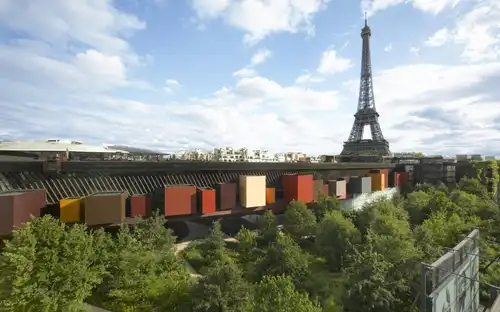
- Musée du quai Branly - Jacques Chirac, Paris
22 May - 8 Nov 2026
From€14.00

The Louvre Museum is an architectural and cultural colossus that has stood at the heart of Paris for over eight centuries. Its journey began in the late 12th century as a medieval fortress built by King Philip II Augustus to protect the city from western invasions. Over the centuries, it underwent a dramatic metamorphosis, transitioning from a grim stronghold to a lavish royal residence under monarchs like Charles V and Francis I, the latter of whom introduced the Renaissance style that defines much of the palace today. It wasn't until the French Revolution in 1793 that the building officially opened its doors as a public museum, symbolizing a gift of art and knowledge to the people.
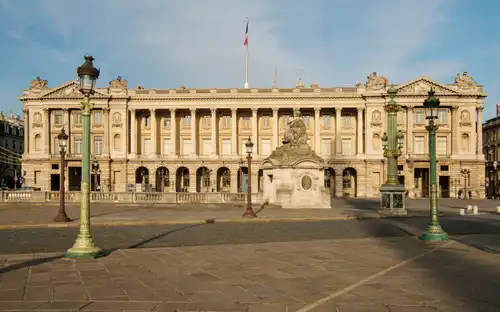
Architecturally, the museum is a living dialogue between eras, blending classical grandeur with bold modernism. The historic facades of the Sully, Richelieu, and Denon wings showcase exquisite French Baroque and Neoclassical details, such as the majestic Colonnade of the Louvre designed by Claude Perrault. This traditional aesthetic is strikingly punctuated by the Louvre Pyramid, a crystalline masterpiece designed by I.M. Pei and inaugurated in 1989. This glass structure serves as the main entrance, flooding the subterranean Hall Napoléon with light and acting as a symbolic bridge between the museum’s ancient foundations—where visitors can still view the original medieval moat—and its future as a global cultural leader.
Inside, the atmosphere is one of profound awe and intellectual discovery, as visitors navigate a labyrinth of galleries housing over 35,000 works of art. The collection is divided into eight curatorial departments, featuring world-renowned treasures such as the enigmatic Mona Lisa by Leonardo da Vinci, the graceful Venus de Milo, and the triumphant Winged Victory of Samothrace. Beyond these famous highlights, the museum offers immersive experiences like the opulent Napoleon III Apartments, which display the height of 19th-century Rococo decorative arts. Walking through the Grande Galerie, one feels the weight of history in every hall, making the Louvre not just a repository of objects, but a vibrant testament to the evolution of human creativity.
To visit the Louvre Museum is to step into the very heartbeat of global civilization, where the air is thick with the whispers of history and the brilliance of human ingenuity. Beyond being a mere gallery, it is a sprawling sanctuary of artistic brilliance that invites you to lose yourself in a labyrinth of over 35,000 treasures. From the enigmatic gaze of the Mona Lisa to the sheer gravitational pull of the Winged Victory of Samothrace, every corner of this palace offers a direct encounter with the sublime. It is an essential pilgrimage for anyone seeking to understand the evolution of beauty, power, and the human spirit within the most iconic architectural landmark in Paris.
As you navigate the light-drenched Cour Marly, the sun filters through glass ceilings to illuminate monumental sculptures, creating a dance of shadows that feels almost cinematic. There is a profound, heart-stirring weight to standing before the Code of Hammurabi or wandering through the opulent gold-leafed apartments of Napoleon III, where the sensory richness of the past becomes tangibly real. The experience is a transformative journey that resonates with the soul, shifting from the cool, quiet echoes of underground medieval ruins to the vibrant, revolutionary energy of Delacroix’s Liberty Leading the People. At sunset, standing beside the Glass Pyramid as the historic facades glow amber, you realize that the Louvre is not just a destination, but an immersive emotion that awakens a lifelong thirst for knowledge.The Louvre Museum is a transformative odyssey where the shadows of ancient fortresses and the light of timeless masterpieces converge to ignite the human spirit.
Evening Masterpieces under the Pyramid
Arriving during the late-night openings on Wednesday or Friday evenings after 6:00 PM significantly reduces the volume of tour groups and school parties. These extended hours allow you to navigate the Denon wing with far more breathing room than during the chaotic midday rush. As the sun sets, the artificial illumination of the glass pyramid creates a striking contrast against the darkening Parisian sky, providing the most dramatic exterior photo opportunities without the typical wall of tourists in your frame.
First Light in the Richelieu Wing
Stepping through the doors right at 9:00 AM on a Monday or Thursday provides a narrow window of tranquility before the peak surge begins around 11:00 AM. Prioritize the Cour Marly or the Cour Khorsabad during these early minutes to witness the natural morning light flooding through the glass ceilings, which enhances the textures of the monumental sculptures. If you skip the main pyramid entrance and use the Carrousel du Louvre entrance instead, you can often bypass the primary security bottleneck and reach the galleries faster.
Planning a visit to the world's largest museum can be a daunting task, but a few insider choices can turn a potentially overwhelming day into a seamless artistic journey. To truly appreciate the breadth of the collections without burnout, I recommend budgeting at least three to four hours for a focused visit. While the Pyramid is the most famous face of the museum, savvy travelers know there are more efficient ways to get inside and get moving.
The Underground Fast Track
To bypass the massive open-air queues at the main glass structure, head to the Carrousel du Louvre entrance at 99 Rue de Rivoli. This underground access point is sheltered from the weather and typically moves much faster than the primary entrance. If you are arriving by metro, take Line 1 or 7 to the Palais Royal-Musée du Louvre station and follow the signs directly into the shopping mall, which leads straight to the security checkpoint.
Navigating the Three Wings
Once you've cleared security and reached the central Hall Napoléon, the museum splits into three distinct sections. A smart route avoids backtracking and saves your energy for the best pieces:
The museum is closed on January 1, May 1, and December 25, but remains open on all other public holidays unless they fall on a Tuesday.
Admission is free for all visitors on the first Friday of each month after 6:00 p.m., except during July and August, and also on July 14.
Situated in the historic heart of the 1st arrondissement on the Right Bank of the Seine, the Louvre Museum is exceptionally well-connected and easy to reach from any corner of Paris. Whether arriving by rail, road, or water, the museum’s central location ensures a seamless transition from the city’s bustling streets to its legendary galleries.
Complete your cultural itinerary with the 10 other top-rated exhibitions in Paris in 2026.
Explore the 9 other top-rated cultural attractions to visit in Paris in 2026.