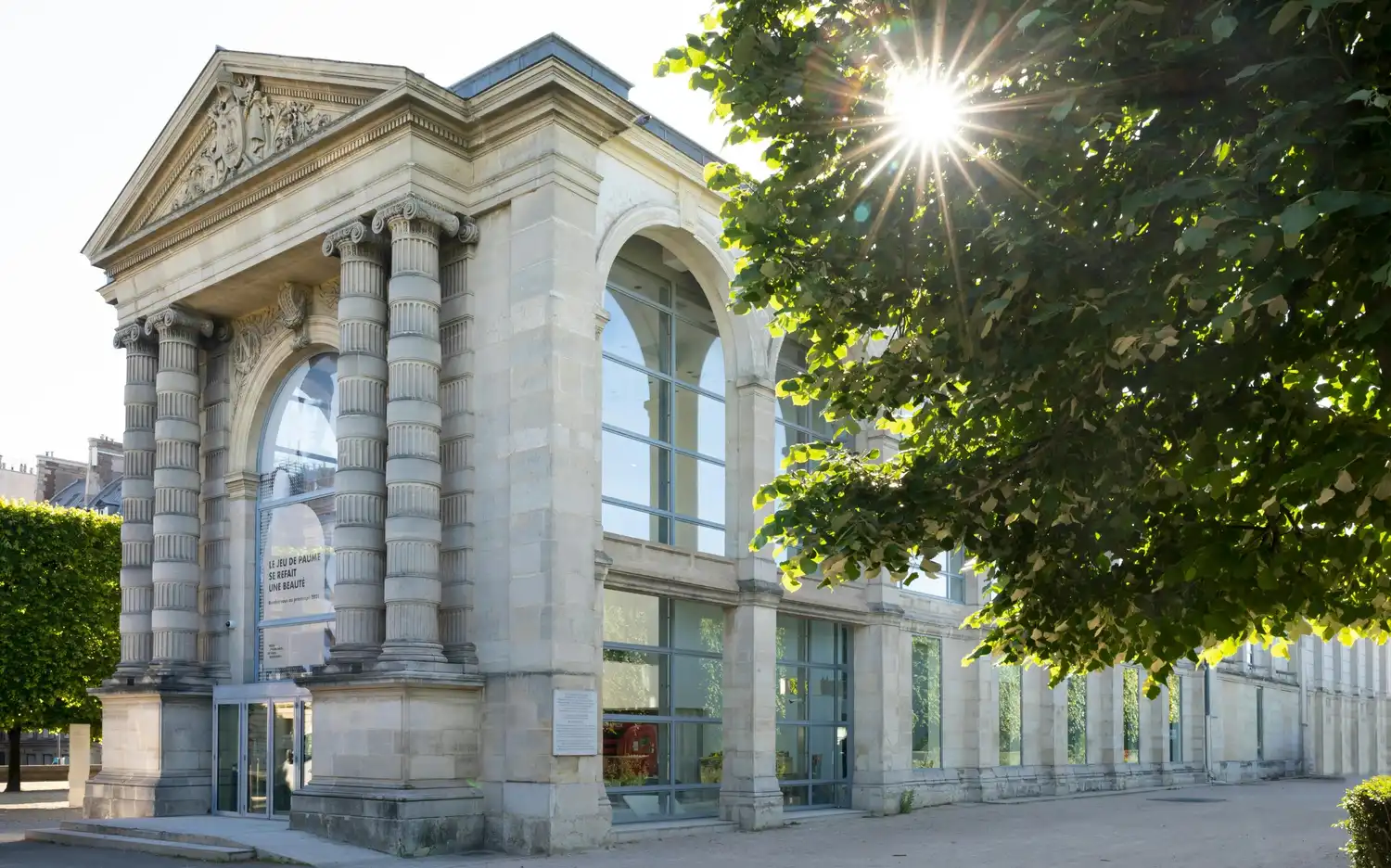
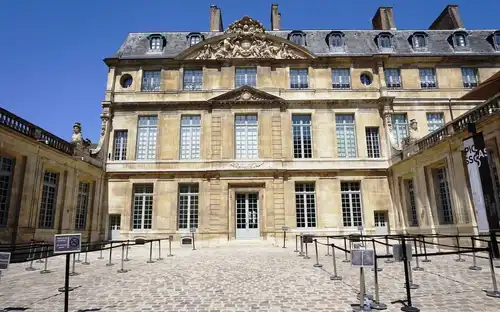
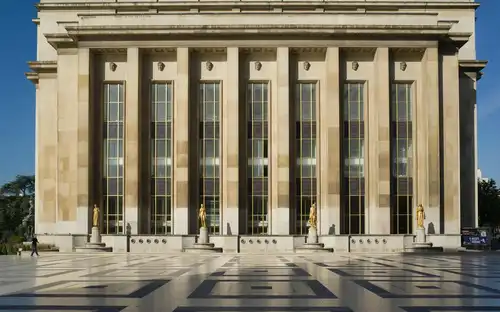
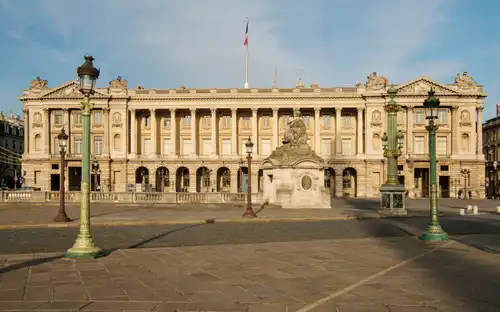
Exterior view of the historic Jeu de Paume museum building nestled in the Tuileries Garden in Paris.

Jeu de Paume

  • Paris

Located in the heart of the Tuileries Garden, Jeu de Paume is a premier Parisian cultural hub showcasing cutting-edge photography and contemporary image-based exhibitions. This historic venue highlights works by legendary artists and emerging talents, offering a sophisticated look at 20th and 21st-century visual arts.

Recommended
Vibrant satirical photography by Martin Parr exploring global tourism and consumerism at the Jeu de Paume gallery.

Martin Parr: Global Warning

  • Jeu de Paume, Paris
30 Jan - 24 May 2026
From€14.00

Martin Parr’s satirical lens explores the intersection of global tourism and environmental change.

Stark black-and-white landscape photography captures the silent aftermath of South African conflict and memory.

Jo Ractliffe: Out of Place

  • Jeu de Paume, Paris
30 Jan - 24 May 2026
From€14.00

Silent landscapes reveal the haunting intersection of history, memory, and the South African spirit.

Nestled in the northwest corner of the Tuileries Garden, the Jeu de Paume is a premier cultural institution dedicated to the mechanical and electronic image of the 20th and 21st centuries. Its history is deeply intertwined with the evolution of Paris itself; commissioned by Napoleon III and completed in 1862, the building was originally designed as a court for jeu de paume, the traditional precursor to modern tennis. Over the decades, it has served as a ration center during World War I and, most famously, as a storage facility for looted art during the Nazi Occupation, a dark period documented by the heroic resistance of curator Rose Valland. Following the war, it became the world’s most renowned home for Impressionist masterpieces before they were eventually transferred to the Musée d'Orsay.

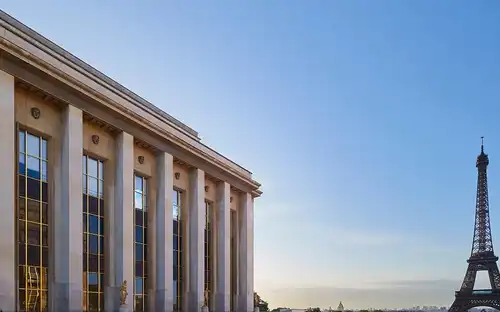
Architecturally, the building is a stunning example of the Second Empire style, designed by Melchior Viraut to provide a symmetrical counterpart to the Orangerie across the gardens. The exterior features classical elements like semi-fluted Ionic columns and a decorative tympanum bearing the imperial coat of arms. A significant renovation in the late 1980s by architect Antoine Stinco transformed the interior into a light-filled, modular space. The formerly enclosed reception hall is now an atrium flooded with natural light through massive bay windows, offering visitors breathtaking views of the Place de la Concorde, the Eiffel Tower, and the surrounding greenery of the Tuileries.

The atmosphere at the Jeu de Paume is one of quiet contemplation and avant-garde discovery. Unlike traditional museums that house permanent collections, this venue is a dynamic art center focused on rotating exhibitions that explore photography, cinema, video, and digital art. Visitors can wander through galleries that have showcased giants like Richard Avedon and Sally Mann alongside emerging international talents. This blend of historic stone and cutting-edge visual culture creates a unique resonance, where the weight of the past meets the fluid, fast-moving imagery of the present.

Beyond the exhibition halls, the experience is complemented by the Rose Bakery terrace café, widely regarded as one of the most beautiful spots in Paris to enjoy a sunset. Here, visitors can reflect on the boundary-pushing art they have just witnessed while looking out over the Obelisk of Luxor. Whether attending a film retrospective in the auditorium or browsing the specialized arthouse bookshop, guests will find an environment that encourages a deep dialogue between different narrative strands, making it an essential pilgrimage for anyone interested in the power of the image in modern society.

Highlights

  • The center showcases a diverse range of 20th and 21st-century mechanical and electronic imagery including photography and video.
  • Visitors can explore cutting-edge contemporary photography exhibitions featuring both legendary masters and emerging global talents.
  • The Online Creation Space offers an innovative program of special web-based projects and thematic shows dedicated to digital arts.
  • The venue hosts diverse film cycles and programs that specialize in documentary, experimental, and art-house cinema.
  • The historic building features a renovated atrium with large bay windows providing stunning views of the Tuileries Garden and Place de la Concorde.
  • Educational workshops and curated seminars invite the public to engage in critical dialogue regarding modern visual culture.

Must-Dos

  • Browse the specialized bookstore located on the ground floor to find rare international photography monographs and independent art theory publications.
  • Pause for a coffee at the museum’s cafe terrace and enjoy the quiet transition between the bustling city and the serene greenery of the Tuileries.
  • Trace the building's history by looking for architectural remnants of its original purpose as a royal tennis court for Napoleon III.
  • Walk the perimeter of the terrace outside the museum to capture unique, elevated perspectives of the Obelisk at Place de la Concorde through your camera lens.
  • Explore the specialized research library to deepen your understanding of the history of the image through their extensive collection of visual arts periodicals.

Guidelines

  • All visitors must undergo a security screening upon entry at the museum.
  • Please note that suitcases, large umbrellas, and large backpacks are strictly prohibited inside the galleries.
  • Visitors may be asked to hand-carry smaller backpacks or wear them on the front of their bodies to protect the artwork.
  • Personal-use photography and video recording are permitted using handheld devices provided the flash is turned off.
  • The use of tripods, selfie sticks, and other professional equipment is not allowed without prior approval.
  • Children under the age of 18 must be accompanied by an adult chaperone at all times during their visit.
  • Please maintain a safe distance from all works of art and refrain from touching any exhibit surfaces.

Tips

  • Aim to arrive at 10:00 AM on Tuesdays or Wednesdays to experience the galleries before the school groups typically arrive.
  • Book your tickets online in advance for a timed entry slot to significantly reduce your waiting time at the entrance.
  • Visit during the last two hours before closing, typically between 3:00 PM and 5:00 PM, when the crowds often begin to thin out.
  • Take advantage of the venue's location at 1 Place de la Concorde to enjoy a quiet stroll through the Tuileries Garden immediately before or after your visit.
  • Check the current exhibition schedule on the official website before heading to the northwest corner of the gardens to ensure you don't miss any specific contemporary photography displays.
  • If you are visiting on a Sunday, the quietest window for a tranquil experience is usually right at the 12:00 PM opening time.

Why Visit

The Jeu de Paume stands as the ultimate destination for those who recognize that the most compelling stories in Paris aren't just found in oil paintings, but in the flicker of a film reel and the sharp click of a shutter. As a world-class hub for contemporary photography and digital media, it eschews the dusty permanence of traditional galleries for a daring, rotating program that brings global masters and radical new voices to the forefront. Whether you are delving into the experimental landscapes of Jo Ractliffe or engaging with the avant-garde provocations of AI-generated art, this center offers a sophisticated lens through which to view the complexities of our modern world, all while perfectly balanced on the edge of the historic Tuileries.

Stepping into the light-drenched atrium, you are immediately struck by a profound sense of visual clarity where the bustling energy of the Place de la Concorde fades into a serene, intellectual hush. The experience is deeply sensory; the crisp, modular galleries provide a neutral canvas for bold imagery, while the expansive bay windows frame the Eiffel Tower as a living piece of art. After navigating the cutting-edge exhibits, the transition to the Rose Bakery terrace offers a moment of emotional resonance, allowing you to sip coffee while the golden hour sun illuminates the Obelisk of Luxor, turning your visit into a seamless dialogue between the cutting-edge future and the timeless beauty of the Parisian skyline.The Jeu de Paume is an essential pilgrimage for the modern traveler, offering a transformative journey where the power of the image illuminates the intersection of historic elegance and futuristic innovation.

When to Visit

Mid-Week Morning Tuileries Quietude

Arriving exactly at 11:00 AM on Tuesdays or Wednesdays provides the most tranquil environment for navigating the galleries, as these windows typically precede the arrival of large school groups. While the museum remains closed on Mondays, midweek mornings remain the primary choice for those seeking to minimize foot traffic and enjoy the contemporary photography collections in a more solitary setting. Scheduling your entry during these early weekday slots allows for a fluid transition from the quiet garden paths into the museum’s specialized exhibition spaces before the midday rush begins.

Extended Tuesday Evening Illuminations

Leveraging the late-night opening on Tuesdays until 9:00 PM offers a distinct advantage for visitors who prefer the shift from natural daylight to artificial gallery lighting. This evening window generally sees a significant drop in visitor density after 6:00 PM, as most daytime tourists and organized tours have departed. Visiting during these final hours provides an ideal atmosphere for observing the mechanical and electronic imagery under consistent, focused lighting, free from the glare often associated with high-noon natural light filtration.

How to Visit

If you are looking for a break from the classical oil paintings of the Louvre, the Jeu de Paume offers a refreshing dive into the world of photography and cinema. Located at the edge of the Tuileries Garden, it is a compact yet influential space that is easy to navigate if you have a plan.

Navigating the Lens

To make the most of your visit, I recommend budgeting about 90 minutes to two hours. This gives you enough time to absorb the rotating exhibitions without feeling rushed. Since the venue is smaller than the major Parisian landmarks, it’s a perfect "palette cleanser" for your itinerary. To ensure a smooth start, always book a timed-entry ticket online to skip the primary ticketing queue at the main entrance.

  • Start by heading to the lower level to check out the video and digital media installations, which often feature immersive, experimental works.
  • Move up to the main floor to explore the primary photography galleries. The flow here is usually intuitive, leading you through thematic sections of the current headline artist.
  • Don't miss the specialized bookstore on the ground floor; it is widely considered one of the best in Paris for international photography monographs and independent art theory.

The Tuileries Transition

Because the building is situated within the historic gardens, you can enter via the park paths rather than the busy streets. Once you've finished your tour, the best way to decompress is to visit the on-site cafe terrace. It’s a quiet spot away from the Place de la Concorde noise where you can reflect on the imagery you've just seen while looking out over the greenery of the Tuileries.

Schedules

Opening Hours

  • The Jeu de Paume is open on Tuesdays from 11 am to 9 pm and from Wednesday to Sunday between 11 am and 7 pm.
  • The museum remains closed every Monday and on major public holidays such as January 1st and May 1st.
  • Visitors should note that the last entry is permitted until 30 minutes before closing time.
  • On December 24th and 31st, the venue typically has an exceptional early closure at 5 pm.

Special Days

The venue is closed on January 1st, May 1st, July 14th, and December 25th.

Special closures occur at 5:00 PM on December 24th and December 31st.

Admission is free for students and those under 25 on the last Tuesday of the month.

How to get there

The Jeu de Paume is a sophisticated sanctuary for contemporary photography elegantly perched in the northwest corner of the Tuileries Garden, overlooking the historic Place de la Concorde in the 1st arrondissement. Its central location makes it exceptionally accessible, nestled between the Seine's right bank and the bustling Rue de Rivoli.

  • Metro: Lines 1, 8, and 12 to Concorde (Exit 1: Jeu de Paume), or Line 1 to Tuileries.
  • Bus: Lines 42, 45, 72, 73, 84, and 94 to the Concorde stop.
  • RER: Line C to Musée d'Orsay, followed by a scenic 12-minute walk across the Seine via the Pont Royal or Passerelle Léopold-Sédar-Senghor.
  • Walking: A flat, picturesque stroll from the Louvre through the Tuileries Garden or along the river quays.
  • Cycling: Use the Seine-side bike lanes and dock at the Vélib' station on Rue Cambon or Rue de Rivoli.
Directions

Frequently Asked Questions about Jeu de Paume

Yes, this historic Paris venue provides a free cloakroom for visitors. However, for security reasons, large suitcases and bulky luggage are not permitted inside the photography gallery and cannot be stored on-site.
Jeu de Paume is fully accessible, featuring elevators and ramps to ensure all guests can enjoy the contemporary photography and art exhibitions. While strollers are allowed, they may be restricted in certain narrow gallery spaces during peak hours to protect the avant-garde imagery.
For the best views, head to the second-floor atrium where massive bay windows offer a stunning panorama of the Place de la Concorde and the Eiffel Tower. The Rose Bakery terrace also provides a perfect vantage point for capturing the Obelisk of Luxor at sunset.
Yes, the Rose Bakery café and its terrace, located within the Tuileries Garden at the museum, are accessible to the public without requiring an admission ticket for the art exhibitions.
Jeu de Paume often offers free admission to students and visitors under 25 on the last Tuesday of every month. It is one of the more accessible Paris museums for young art enthusiasts interested in visual arts and digital media.
Photography for personal, non-commercial use is generally permitted without flash or tripods. However, certain temporary exhibitions featuring works by artists like Richard Avedon or Sally Mann may have specific copyright restrictions prohibiting all photography.
To fully appreciate the rotating art exhibitions and film retrospectives, most visitors spend about 1.5 to 2 hours. This allows enough time to browse the arthouse bookshop and enjoy the historic Second Empire architecture of the building.
The most convenient metro stop is 'Concorde' (Lines 1, 8, and 12), which is just a short walk from the museum's entrance at the northwest corner of the gardens, near the Rue de Rivoli.
Recommended
Mummified human remains and funerary objects in a modern, respectfully lit gallery at the Musee de l'Homme.
Vibrant street performers and colorful Holi festival celebrations at the historic Jardin d'Acclimatation in Paris.
Crowd at Jardin d'Acclimatation celebrating Holi with a vibrant explosion of colorful powders in the Parisian sky.
Archaeological artifacts from the Seine riverbed displayed in the underground crypt beneath Notre-Dame cathedral.
Sculptures of 20th-century conflict in the modernist Ateliers-musee Chana Orloff gallery in Paris.
Recommended
Digital art projections of Da Vinci and Michelangelo masterpieces illuminate a large immersive gallery space.
A selection of delicate pencil and pastel sketches by Pierre-Auguste Renoir displayed in a gallery.
Antique Korean beauty accessories and traditional paintings displayed in a modern museum gallery at Musée Guimet.
Vibrant interactive garden chapter at Cité des sciences featuring lush plants and sensory science displays.
Recommended
Elegant 18th-century gowns and contemporary couture on display in a grand gallery at Palais Galliera.
Recommended
Mannequins display vibrant contemporary African haute couture and textiles in a modern gallery space.
Vibrant avant-garde artwork and a Dreamachine light installation on display at the Brion Gysin exhibition in Paris.
Recommended
Visitors walk among sculptures in the vaulted glass hall of Musée d'Orsay, with others seated on benches.
4 exhibitions

Musée d'Orsay

  • Paris

Breathtaking Impressionist masterpieces housed within the timeless elegance of a magnificent Parisian station.

Recommended
Modern curved glass and metal Fondation Louis Vuitton building under a blue sky with trees and parked cars.
1 exhibition

Fondation Louis Vuitton

  • Paris

Where avant-garde art meets Frank Gehry’s breathtaking glass sails in the heart of Paris.

Recommended
Grand mansion at Musée Rodin viewed through manicured gardens with a central pond, statues, and trimmed bushes.
1 exhibition

Musée Rodin Paris

  • Paris

A historic mansion sanctuary where Rodin’s emotive masterpieces breathe amidst rose-filled gardens.

Recommended
Ornate stone Musée de l'Orangerie entrance with large columns and one person standing near the doorway.
2 exhibitions

Musée de l'Orangerie

  • Paris

A luminous sanctuary where Monets panoramic Water Lilies bloom in timeless Impressionist light.

Recommended
Grand neoclassical Palais Garnier with golden statues and a French flag under a blue sky.
1 exhibition

Palais Garnier

  • Paris

A breathtaking masterpiece of nineteenth-century opulence and legendary Parisian high culture.

Recommended
Vibrant abstract projections from the Kandinsky exhibition at the Atelier des Lumières digital art center.
1 exhibition

Atelier des Lumières

  • Paris

Masterpieces come alive through immersive light and sound in a historic Parisian foundry.

Recommended
Intricate metal framework of a large glass dome casting shadows on a mural of historical and mythical scenes.
1 exhibition

Bourse de Commerce - Pinault Collection

  • Paris

A sanctuary of contemporary masterpieces housed within a masterfully restored historic dome.

Neoclassical building with tall columns, large windows, outdoor seating, and a statue holding a spear.
2 exhibitions

Musée d'Art Moderne de Paris

  • Paris

A sanctuary of avant-garde masterpieces and evolving contemporary narratives in the heart of Paris.

Historic courtyard at Musée de l'Armée with arched windows and a golden-domed building under a partly cloudy sky.
1 exhibition

Musée de l'Armée & Napoleon's Tomb

  • Paris

France's storied military legacy rests beneath a majestic golden dome of timeless architectural grandeur.

Grand building with arched windows, statues, and a central fountain, surrounded by lawns and city buildings.
2 exhibitions

Palais Galliera

  • Paris

A grand Renaissance palace enshrining the timeless evolution of French fashion and contemporary artistry.

Exhibit wall with multilingual text about Georges Méliès, surrounded by framed portraits and illustrations.
1 exhibition

La Cinémathèque Française

  • Paris

A stunning Frank Gehry masterpiece housing the world's most prestigious collection of cinematic treasures.

Elegant stone mansion with arched doorways and a columned entrance, set within a manicured courtyard.
1 exhibition

Musée Jacquemart-André

  • Paris

An opulent Haussmann-era mansion housing one of the city's most prestigious private art collections.