Alain Keler: Life Stories
- Château de Vincennes, Paris
22 May - 11 Sep 2026
From€13.00
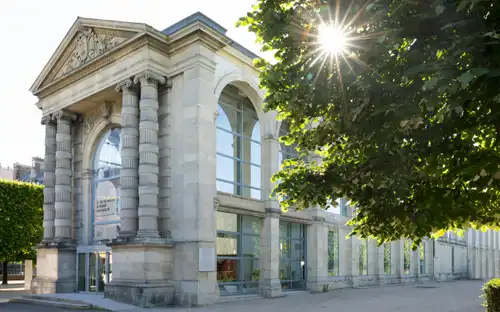
Located within the historic Jardin des Plantes, the Geology and Mineralogy Gallery (Galerie de Minéralogie et de Géologie) stands as one of the oldest and most prestigious institutions of its kind in the world. Founded in 1833 as part of the Muséum national d'Histoire naturelle, it was the first building in France specifically designed to serve as a museum. Its neoclassical architecture, designed by Charles Rohault de Fleury, reflects the 19th-century ambition to categorize and celebrate the natural world. Steeped in history, the gallery has long been a scientific hub, housing collections that date back to the 17th-century royal gardens and were significantly expanded during the French Revolution and the Enlightenment.
The gallery’s architectural grandeur is matched by the sheer scale and beauty of the treasures within. Visitors enter a long, majestic hall characterized by a traditional museum atmosphere, featuring large, elegant showcases that highlight the Earth's geological history. The centerpiece of the current experience is the Trésors de la Terre (Treasures of the Earth) exhibition, which showcases approximately 600 of the museum's most remarkable specimens. Unique artistic and natural features include a stunning array of giant crystals, some of the largest ever displayed in a museum context, and legendary gemstones that once belonged to French royalty. The exhibition is thoughtfully curated to highlight the aesthetic diversity of the mineral world, from the vibrant hues of azurite and malachite to the extraterrestrial mystery of meteorites.
The atmosphere inside the gallery is one of quiet wonder and scientific reverence. Away from the bustling city streets, the high-ceilinged halls offer a serene environment where the interplay of light and mineral surfaces creates a captivating visual experience. Visitors are invited to wander among glittering geodes, rare gems, and rough ores, gaining a deep appreciation for the complex processes that shape our planet. Whether you are marvelling at the giant amethyst geode or exploring the history of the Gold Rush, the gallery provides a profound connection to the physical history of the Solar System and the enduring legacy of French scientific exploration.
Beyond the velvet ropes of the city's more crowded landmarks lies an unparalleled sanctuary where the Earth’s hidden artistry is on full display. The Geology and Mineralogy Gallery isn't just a museum; it is a visceral encounter with the sublime power of nature. Here, you can stand face-to-face with colossal quartz and amethyst geodes that dwarf the human form, their crystalline teeth gleaming with millennia of silent growth. For those seeking the ultimate in Parisian opulence, the gallery offers an intimate look at the legendary French Crown Jewels, including the deep, hypnotic blue of the Grand Saphir of Louis XIV, providing a royal narrative that rivals any art collection in the world.
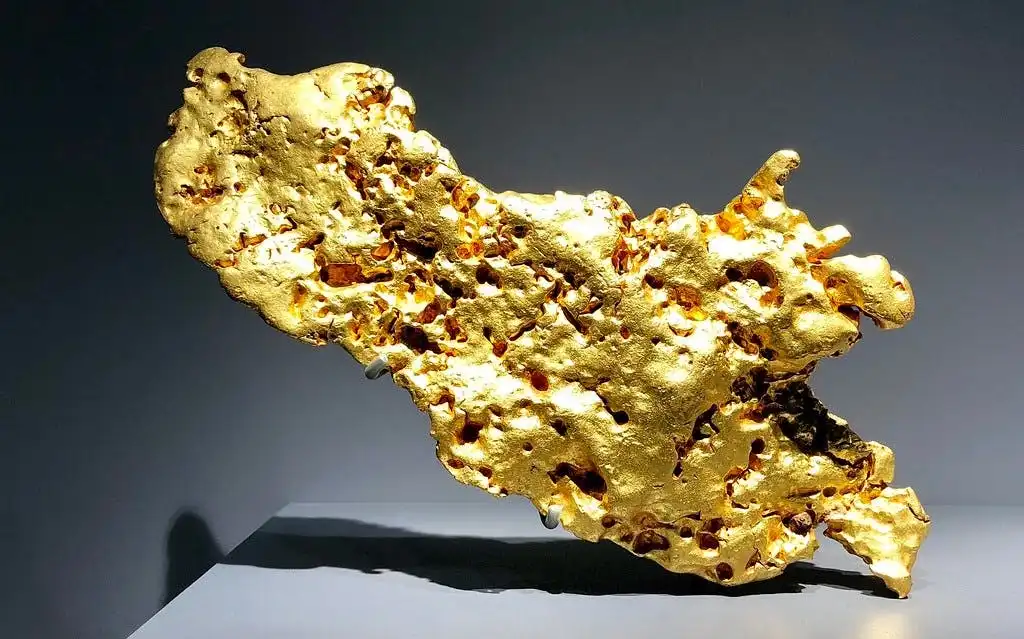
Walking through the grand, sun-drenched halls, you’ll experience a profound sensory shift as you move from the shimmering brilliance of gemstones to the eerie, neon glow of fluorescent minerals dancing under ultraviolet light. There is a haunting beauty in touching the prehistoric history of our universe through Martian meteorites and raw, pitted gold nuggets that feel like frozen fire. As you peer through high-resolution displays at the delicate moss agates, the boundary between science and art dissolves, leaving you with a deep sense of quiet wonder and a rare, peaceful connection to the very foundations of our planet.The Geology and Mineralogy Gallery is a breathtaking masterclass in natural elegance, offering a rare opportunity to witness the raw, glittering soul of the Earth and the stars in an intimate setting of neoclassical grandeur.
Early Entry for Rare Minerals
Arriving right at 10:00 AM on weekdays ensures the most tranquil environment for observing the collection's massive quartz and amethyst specimens. Since the gallery is permanently closed on Tuesdays, targeting a Wednesday or Thursday morning typically avoids the peak visitor traffic associated with the surrounding Jardin des Plantes. Avoiding the midday rush allows for unobstructed views of the specialized ultraviolet light cycles that reveal the neon phosphorescence of rare rocks.
Natural Brilliance in the Historic Hall
Mid-morning light provides the optimal balance for viewing the intricate textures and deep hues of the royal gemstones without the harsh glare often found during the sun's highest point. Planning a visit between 10:00 AM and 12:00 PM allows natural illumination to enhance the sparkle of the crystals before the gallery becomes more crowded in the afternoon. Late afternoon visits, specifically after 3:30 PM, also offer a softer lighting quality that beautifully highlights the "Treasures of the Earth" exhibition as the museum approaches its 5:00 PM closing time.
Tucked away in the southern edge of the Jardin des Plantes, this gallery is a sparkling retreat for those who appreciate the finer, harder details of the natural world. To make the most of your visit to the Geology and Mineralogy Gallery, budget approximately 1.5 to 2 hours. This timeframe allows you to move at a leisurely pace through the permanent collections and any rotating exhibitions without feeling rushed.
Navigating the Jardin des Plantes Gates
While the garden has several access points, the most direct way to reach the gallery is through the entrance at 36 Rue Geoffroy-Saint-Hilaire. This gate puts you almost immediately at the doorstep of the building, saving you a long trek across the main garden paths. Once inside, you'll need to clear a quick security screening before you can dive into the exhibits.
A Sparkling Path Through the Hall
To see the collection effectively, try following this logical flow through the historic space:
Maximizing Your Museum Day
If you find yourself finishing earlier than expected, you are perfectly positioned to extend your afternoon. The Rose Garden sits just outside the gallery doors and makes for a lovely, fragrant stroll. For a complete scientific experience, the Grande Galerie de l’Évolution and the Menagerie are only a few minutes' walk away within the same park grounds.
The gallery is closed on Tuesdays, January 1st, May 1st, and December 25th.
Admission is free for under 26s who are residents of the European Union, job-seekers, and visitors with disabilities.
The venue remains open on most other public holidays, including Easter Monday, Ascension Day, and August 15th.
The Geology and Mineralogy Gallery is nestled in the southern edge of the historic Jardin des Plantes in the 5th arrondissement, a short walk from the banks of the Seine. This sparkling sanctuary of rare crystals and gems is exceptionally well-connected to the city’s transit network, making it a convenient retreat for curious explorers.
Complete your cultural itinerary with the 23 other top-rated exhibitions in Paris in 2026.
Explore the 19 other top-rated cultural attractions to visit in Paris in 2026.