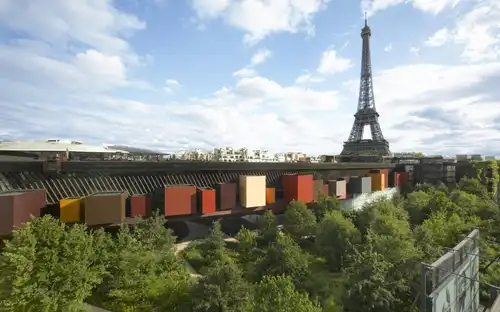
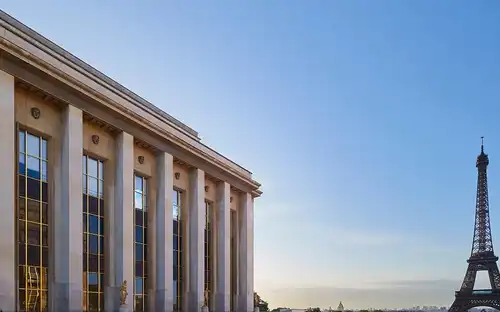
The Eiffel Tower seen from a grassy park with trimmed trees on both sides under a clear blue sky.
Recommended

Eiffel Tower

  • Paris

Originally a feat of 19th-century engineering for the World's Fair, the Eiffel Tower has evolved from a controversial structure into the definitive icon of Paris. Today, no visit to the city is complete without witnessing this architectural marvel, which remains a central landmark for cultural exhibitions and global travelers alike.

The Eiffel Tower, or La Dame de Fer (the Iron Lady), stands as the ultimate architectural symbol of Paris, representing a triumph of 19th-century engineering and the spirit of modernity. Originally constructed as the centerpiece for the 1889 Exposition Universelle to commemorate the centennial of the French Revolution, it was designed by engineers Maurice Koechlin and Émile Nouguier from the firm of Gustave Eiffel. Despite its current status as a beloved icon, the tower was initially met with fierce resistance from local artists and intellectuals who viewed the massive iron structure as an industrial blemish on the city's classical skyline.

Architecturally, the tower is a masterpiece of puddled iron lattice work, consisting of over 18,000 metal parts held together by approximately 2.5 million rivets. This innovative design allows the structure to withstand high winds while remaining remarkably light for its size. Visitors can explore three distinct levels, including the summit, which offers unparalleled 360-degree panoramic views of landmarks like the Arc de Triomphe, the Louvre Museum, and the Seine River. Over the years, the tower has evolved from a temporary exhibit into a permanent fixture, serving as a vital radio antenna during the World Wars and eventually becoming the most-visited paid monument in the world.

The atmosphere at the Eiffel Tower shifts beautifully between day and night. During the daylight hours, the intricate ironwork and bronze-toned Eiffel Tower Brown paint are fully visible, making it a favorite backdrop for picnics on the sprawling lawns of the Champ de Mars. As dusk falls, the tower transforms into a glowing beacon, illuminated by thousands of golden lights. On the hour, the famous Eiffel Tower sparkle occurs, where a five-minute sequence of flickering lights creates a magical, electric energy that captivates crowds at the nearby Trocadéro Gardens. Whether viewed from a romantic river cruise or the heights of its observation decks, the tower remains a timeless testament to Parisian elegance and industrial ambition.

Highlights

  • Ascend to the Summit for a breathtaking 360-degree panorama of the Parisian skyline from the highest public vantage point in the city.
  • Explore the Second Floor to enjoy unique bird's-eye views of the Arc de Triomphe, the Louvre, and the winding Seine River.
  • Peer through the glass into Gustave Eiffel's Secret Office, a restored 19th-century apartment featuring wax figures of the engineer and Thomas Edison.
  • Experience the thrill of walking across the transparent Glass Floor on the first level, suspended 57 meters above the ground.
  • Dine at the Michelin-starred Le Jules Verne, an elegant gastronomic destination located 125 meters up within the tower's iron framework.
  • Marvel at the intricate Mechanical Engineering of the tower's historic elevators, whose perpetually operating wheels remain a marvel of 19th-century innovation.
  • Stroll through the surrounding Champ de Mars gardens to capture iconic photos and witness the tower's spectacular hourly light show at night.

Must-Dos

  • Sip a glass of bubbly at the Champagne Bar located at the very top of the tower for a truly celebratory sensory experience.
  • Pick up a unique keepsake or elegant French accessory from one of the Official Gift Shops located on the first and second floors.
  • Take a moment to read the Commemorative Inscriptions of 72 prominent French scientists and engineers engraved on the tower's frieze.
  • Pause to admire the Champ de Mars from a different perspective by looking through the lattice-work of the iron beams while climbing the stairs.
  • Savor a selection of colorful French Macarons from the buffet bars to treat yourself to a classic Parisian flavor.
  • Locate the Historic Plaques throughout the monument to discover fascinating details about its 1889 World's Fair origins.

Guidelines

  • All visitors must undergo mandatory security screenings, including metal detectors and bag inspections, before entering the monument.
  • Bags and parcels must not exceed the maximum permitted size of 55x35x20cm, and the tower provides no luggage storage or cloakroom facilities.
  • Prohibited items such as weapons, glass bottles, tools, and excessive food or drink will be confiscated and cannot be recovered.
  • Casual photography for personal use is permitted, but the use of professional equipment like tripods or stabilizers requires prior authorization.
  • Visitors must present a valid photo ID that matches the name printed on their entry ticket to gain access.
  • Children under the age of 11 years must be accompanied by an adult at all times during their visit.
  • Access to the stairs for a climb to the second floor is exclusively available through the South entrance marked with blue flags.

Tips

  • To significantly reduce waiting times and ensure entry, it is highly recommended to purchase skip-the-line tickets or time-slot reservations online well in advance.
  • Arriving at the opening time of 8:45 AM represents the single most important timing decision to beat the mid-morning crowds that peak between 10:00 AM and 12:00 PM.
  • For those who want to avoid the longest elevator lines, choosing to climb the stairs can be a faster and more active way to reach the first and second floors.
  • Watching the tower from the Place du Trocadéro or the Pont de Bir-Hakeim at sunset provides a breathtaking view as the iron masterpiece takes on a golden glow.
  • Do not miss the magical light show where 20,000 bulbs sparkle for 5 minutes at the top of every hour from sunset until 1 AM.
  • If you are visiting after dark, remember that temperatures can drop quickly, so it is wise to dress in layers and bring a jacket or sweater.
  • To enjoy a more dramatic finale, stay for the very last sparkle show at 1 AM, which lasts for a full 10 minutes and features a faster light display.

Why Visit

Ascending the Eiffel Tower is not merely a sightseeing tick-box; it is an essential pilgrimage into the very soul of French ambition. From the ground, its intricate iron lattice creates a delicate geometry against the Parisian sky, but the true magic reveals itself as you rise through its levels. Each floor offers a fresh perspective on the city's limestone grandeur, pulling you away from the bustling streets of the 7th Arrondissement into a realm of clouds and unparalleled vistas. Whether you choose the grit of the stairs or the smooth glide of the historic lifts, you are participating in a century-old tradition of wonder that defines the quintessential Parisian adventure.

Standing at the Summit, the air feels thinner and the world below hushes into a silent, living map of history. The sensory experience is profound: the cold touch of 19th-century iron, the faint pop of a Champagne cork at the top-floor bar, and the dizzying thrill of the first-level glass floor beneath your feet. As the sun dips below the horizon, the tower sheds its industrial skin to become a glowing beacon. To witness the golden hour transition into the rhythmic, five-minute hourly sparkle is to understand why Paris remains the undisputed City of Light—it is a moment of shared, electric awe that stays with you long after you have returned to the terra firma of the Champ de Mars.More than just a monument, the Eiffel Tower is a transcendent masterpiece of iron and light that invites every traveler to touch the sky and witness the timeless elegance of Paris from its most inspired heights.

When to Visit

Early Morning Iron Ascent

Arriving at the monument by 9:00 AM or 9:30 AM is the most effective way to stay ahead of the massive tour groups that dominate the midday hours. Security lines are typically shortest during this initial opening window, allowing for a much faster transition from the ground to the observation decks. Tuesday and Wednesday generally offer the best mid-week availability for those looking to avoid the heightened congestion of the weekend.

Midnight Parisian Panoramas

Steering clear of the afternoon rush by visiting after 9:00 PM provides a drastically different atmosphere with significantly fewer families and school groups. The tower remains open until 11:45 PM, and the late-night slot allows you to witness the city lights without the standard daytime jostling for space at the railings. Scheduling your entry for these final hours ensures you can see the hourly light show from a prime vantage point on the tower itself.

The Blue Glow and Iron Shadows

Photographers should target the period immediately following sunset to capture the "Iron Lady" as the sky transitions through deep indigo hues while the tower's golden illumination activates. This specific lighting creates a striking contrast between the warm artificial glow of the structure and the cool natural light of the sky. Aiming for an entry slot approximately 60 to 90 minutes before the end of civil twilight will place you on the upper levels just as the city begins to sparkle below.

How to Visit

To make the most of your visit to the Iron Lady, you should budget at least 1.5 to 2 hours, especially if you plan on visiting all three levels. For a smoother start, use the gardens' entrance near the South Pillar or East Pillar to pass through the initial security checkpoint on the esplanade. If you have pre-booked tickets, keep an eye out for the specific "with reservation" queues to skip the longest of the ticket-purchase lines.

Navigating the Iron Lattice

Once you are past security, follow this flow to see the tower like a pro:

  • Take the elevator directly from the ground to the Summit first; this gets the highest point out of the way while your energy is high and ensures you don't run out of time before the top deck closes.
  • On your way down, stop at the Second Floor to browse the boutiques or see the city landmarks like the Louvre and Notre-Dame with much sharper detail than at the very top.
  • End your descent on the First Floor, where you can walk across the daring glass floor and grab a quick snack at the buffet before returning to the ground.

The Scenic Staircase Shortcut

If you are feeling energetic and want to save a few euros, consider the stairs. You can climb the 674 steps to the Second Floor starting at the South Pillar. This route is often less crowded than the elevator lines and allows you to see the intricate 19th-century engineering up close at your own pace. Even if you take the stairs, you can still purchase a separate ticket on the second floor to take the specialized lift up to the very top.

Schedules

Opening Hours

  • The Eiffel Tower is open daily from 9:30 AM to 11:45 PM during the regular season, with the last entry at 11:00 PM.
  • During the peak summer season from mid-June to early September, the hours extend from 9:00 AM to 12:45 AM, with final entry allowed until midnight.
  • The stairs typically close earlier than the elevators at 6:30 PM for most of the year, though they remain open until 12:30 AM in the summer.

Special Days

The monument remains open 365 days a year including public holidays like January 1 and December 25.

The tower closes early at 2:00 PM on July 14 for Bastille Day festivities and fireworks.

Operating hours are often extended until midnight during the Easter weekend and spring holiday periods.

How to get there

The Eiffel Tower stands majestically in the 7th arrondissement on the Rive Gauche, directly overlooking the Seine and the expansive Champ de Mars. This world-renowned icon is exceptionally well-connected, making it easily reachable from any corner of the city via Paris's efficient public transit network.

  • Metro: Line 6 to Bir-Hakeim, Line 9 to Trocadéro, or Line 8 to École Militaire.
  • RER: Line C to the Champ de Mars - Tour Eiffel station.
  • Bus: Lines 82 and 30 to Tour Eiffel, Line 42 to Tour Eiffel, Line 69 to Champ de Mars, or Line 72 to Tour Eiffel.
  • Batobus: Hop off at the Eiffel Tower stop for a scenic arrival by the river.
  • Tram: Line T2 to Issy - Val de Seine, then transfer to RER C toward Champ de Mars - Tour Eiffel.
Directions

Frequently Asked Questions about Eiffel Tower

For security reasons, there are no luggage storage or cloakroom facilities available at the Eiffel Tower. Visitors are prohibited from bringing large suitcases, heavy bags, or non-foldable strollers into the monument. It is recommended to use private luggage storage services located near the Champ de Mars before arriving.
The first and second floors are fully accessible via the elevators for visitors with strollers or wheelchairs. However, for safety and evacuation reasons, the summit is not accessible to wheelchair users. Foldable strollers are permitted on all levels, but non-foldable models must be left behind as there is no storage on-site.
The Trocadéro Gardens offer the most iconic elevated perspective of the Iron Lady. For a ground-level view framed by greenery, the Champ de Mars is ideal. Other popular 'Instagrammable' spots include Rue de l'Université for a close-up framed by Haussmann architecture and the Bir-Hakeim Bridge for a dramatic side profile.
Elevator tickets provide access to the second floor or the summit via the lifts, while stairs tickets allow you to climb the 674 steps to the second floor. Stairs tickets are generally more affordable and offer a unique perspective of the iron lattice, but access to the summit from the second floor always requires a separate elevator transfer.
Yes, the tower features several dining options, including the Michelin-starred 'Le Jules Verne' on the second floor and 'Madame Brasserie' on the first floor. For a quick celebration, the Champagne Bar at the summit offers glasses of bubbly paired with breathtaking views of the Paris skyline.
A complete visit to the Eiffel Tower, including security checks and the elevator ride to the summit, typically takes between 2 to 3 hours. If you plan to dine at one of the restaurants or take the stairs, you should allocate additional time to fully enjoy the Paris sightseeing experience.
All visitors must pass through a security screening at the entrance of the tower's gardens. Sharp objects, glass bottles, and oversized banners are strictly forbidden. The area around the tower is a high-security zone, so expect bag checks and metal detector screenings similar to airport protocols.
The golden illumination turns on automatically at nightfall, while the famous sparkle occurs on the hour, every hour, from sunset until 1:00 AM. This five-minute display of flickering lights is best viewed from the Trocadéro or a Seine river cruise for the most magical experience.
Advance booking is highly recommended, especially during peak tourist seasons, as summit tickets often sell out weeks in advance. Online tickets allow you to choose a specific time slot, significantly reducing your wait time at the entrance compared to purchasing tickets on-site at the ticket office.
Recommended
Vibrant satirical photography by Martin Parr exploring global tourism and consumerism at the Jeu de Paume gallery.
Stark black-and-white landscape photography captures the silent aftermath of South African conflict and memory.
Recommended
Mummified human remains and funerary objects in a modern, respectfully lit gallery at the Musee de l'Homme.
Vibrant street performers and colorful Holi festival celebrations at the historic Jardin d'Acclimatation in Paris.
Crowd at Jardin d'Acclimatation celebrating Holi with a vibrant explosion of colorful powders in the Parisian sky.
Archaeological artifacts from the Seine riverbed displayed in the underground crypt beneath Notre-Dame cathedral.
Sculptures of 20th-century conflict in the modernist Ateliers-musee Chana Orloff gallery in Paris.
Recommended
Digital art projections of Da Vinci and Michelangelo masterpieces illuminate a large immersive gallery space.
A selection of delicate pencil and pastel sketches by Pierre-Auguste Renoir displayed in a gallery.
Antique Korean beauty accessories and traditional paintings displayed in a modern museum gallery at Musée Guimet.
Vibrant interactive garden chapter at Cité des sciences featuring lush plants and sensory science displays.
Recommended
Elegant 18th-century gowns and contemporary couture on display in a grand gallery at Palais Galliera.
Recommended
Visitors walk among sculptures in the vaulted glass hall of Musée d'Orsay, with others seated on benches.
4 exhibitions

Musée d'Orsay

  • Paris

Breathtaking Impressionist masterpieces housed within the timeless elegance of a magnificent Parisian station.

Recommended
Modern curved glass and metal Fondation Louis Vuitton building under a blue sky with trees and parked cars.
1 exhibition

Fondation Louis Vuitton

  • Paris

Where avant-garde art meets Frank Gehry’s breathtaking glass sails in the heart of Paris.

Recommended
Grand mansion at Musée Rodin viewed through manicured gardens with a central pond, statues, and trimmed bushes.
1 exhibition

Musée Rodin Paris

  • Paris

A historic mansion sanctuary where Rodin’s emotive masterpieces breathe amidst rose-filled gardens.

Recommended
Ornate stone Musée de l'Orangerie entrance with large columns and one person standing near the doorway.
2 exhibitions

Musée de l'Orangerie

  • Paris

A luminous sanctuary where Monets panoramic Water Lilies bloom in timeless Impressionist light.

Recommended
Grand neoclassical Palais Garnier with golden statues and a French flag under a blue sky.
1 exhibition

Palais Garnier

  • Paris

A breathtaking masterpiece of nineteenth-century opulence and legendary Parisian high culture.

Recommended
Vibrant abstract projections from the Kandinsky exhibition at the Atelier des Lumières digital art center.
1 exhibition

Atelier des Lumières

  • Paris

Masterpieces come alive through immersive light and sound in a historic Parisian foundry.

Recommended
Intricate metal framework of a large glass dome casting shadows on a mural of historical and mythical scenes.
1 exhibition

Bourse de Commerce - Pinault Collection

  • Paris

A sanctuary of contemporary masterpieces housed within a masterfully restored historic dome.

Neoclassical building with tall columns, large windows, outdoor seating, and a statue holding a spear.
2 exhibitions

Musée d'Art Moderne de Paris

  • Paris

A sanctuary of avant-garde masterpieces and evolving contemporary narratives in the heart of Paris.

Historic courtyard at Musée de l'Armée with arched windows and a golden-domed building under a partly cloudy sky.
1 exhibition

Musée de l'Armée & Napoleon's Tomb

  • Paris

France's storied military legacy rests beneath a majestic golden dome of timeless architectural grandeur.

Grand building with arched windows, statues, and a central fountain, surrounded by lawns and city buildings.
2 exhibitions

Palais Galliera

  • Paris

A grand Renaissance palace enshrining the timeless evolution of French fashion and contemporary artistry.

Exhibit wall with multilingual text about Georges Méliès, surrounded by framed portraits and illustrations.
1 exhibition

La Cinémathèque Française

  • Paris

A stunning Frank Gehry masterpiece housing the world's most prestigious collection of cinematic treasures.

Elegant stone mansion with arched doorways and a columned entrance, set within a manicured courtyard.
1 exhibition

Musée Jacquemart-André

  • Paris

An opulent Haussmann-era mansion housing one of the city's most prestigious private art collections.