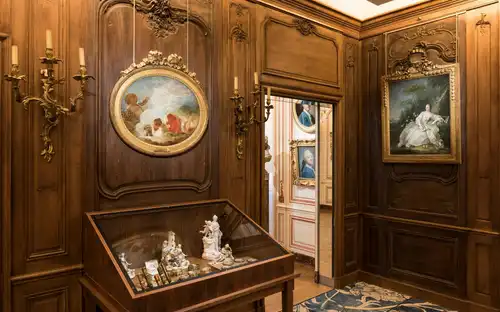
Alain Keler: Life Stories
- Château de Vincennes, Paris
22 May - 11 Sep 2026
From€13.00
A profound visual journey through the intimate chronicles of a master photojournalist's life.
Discover the current major exhibition showing at Château de Vincennes in 2026.
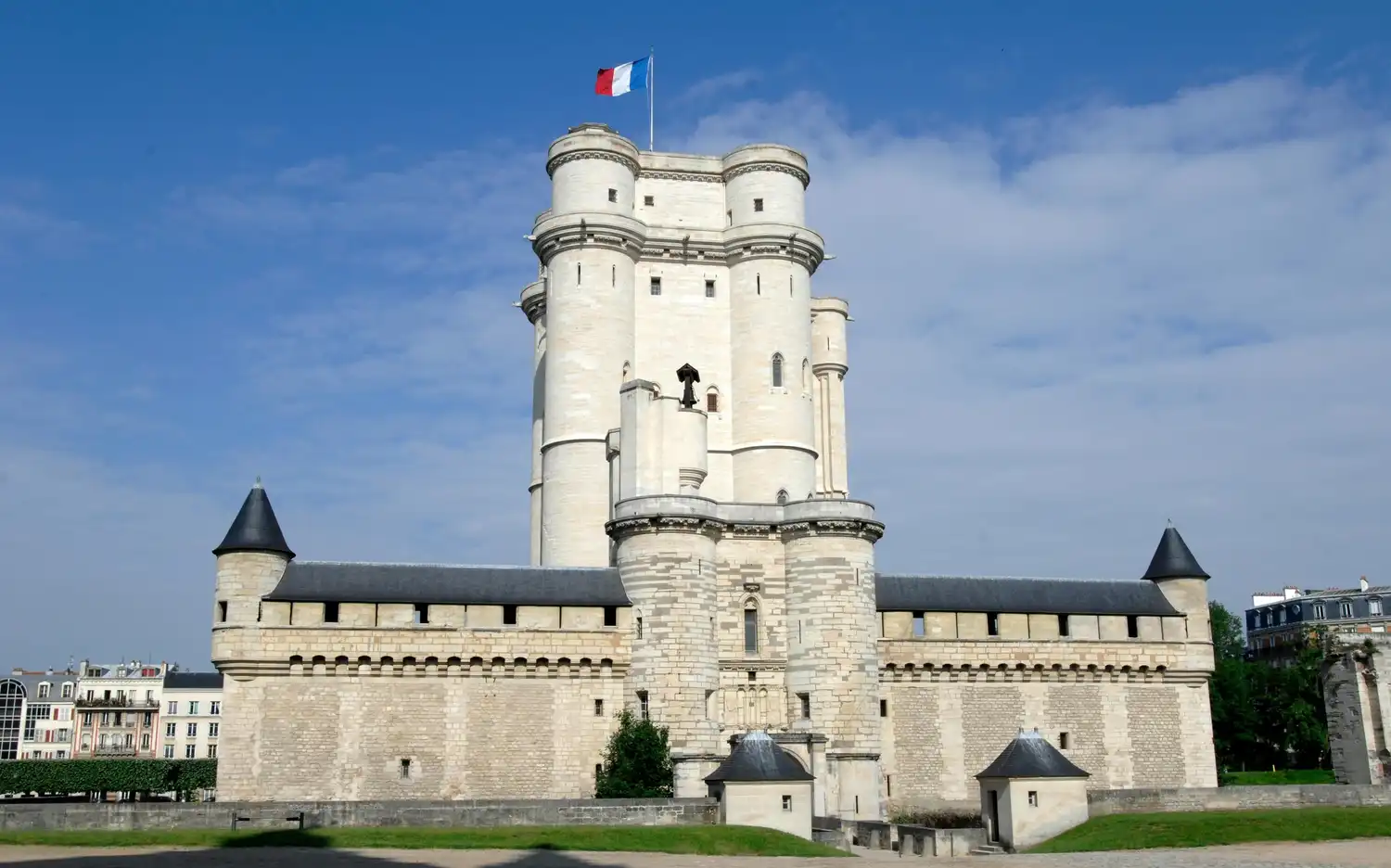
The Château de Vincennes stands as a formidable sentinel on the eastern edge of Paris, offering a stark and powerful contrast to the gilded opulence of Versailles. Originally established as a hunting lodge for Louis VII in the 12th century, it evolved into a massive fortified complex that served as a primary seat of the French monarchy for centuries. Unlike many other royal residences, Vincennes retains its true medieval character, dominated by its Donjon, which at 52 meters is the tallest medieval fortified structure in Europe. This imposing keep was built by Charles V during the Hundred Years' War to demonstrate the absolute power and security of the French throne.
Beyond its defensive prowess, the estate is home to the stunning Sainte-Chapelle de Vincennes, a masterpiece of Gothic architecture. Founded by Charles V and modeled after its namesake on the Île de la Cité, the chapel features a single-level design with breathtaking stained-glass windows added during the Renaissance by Henri II. These windows, depicting the Apocalypse, are renowned for their intricate artistry and mastery of color. The castle also houses the King’s Pavilion and Queen’s Pavilion, built in the 17th century for Louis XIV, reflecting the site's transition from a medieval stronghold to a classical royal palace before the Sun King eventually moved the court to Versailles.
The atmosphere at the Château de Vincennes is one of profound historical weight and relative tranquility. As you cross the moat and pass through the heavy gatehouses, the noise of modern Paris fades, replaced by the echoes of a site that has been a royal residence, a porcelain factory, and a notorious state prison. History enthusiasts can explore the prison cells where famous figures such as the Marquis de Sade, Diderot, and Mirabeau were once held, still bearing original graffiti on the stone walls. Today, as the home of the Service Historique de la Défense, the château remains a living archive of France’s military and royal legacy.
A visit offers a rare opportunity to walk the parapet walks and climb the spiral staircases of the Donjon, providing panoramic views of the surrounding Bois de Vincennes. The site invites quiet reflection, allowing visitors to appreciate the evolution of French power from the Middle Ages through the Napoleonic era. Whether you are admiring the vaulted ceilings of the Council Chamber or the delicate tracery of the Rose Window, the experience is a comprehensive journey through the centuries, making it an essential destination for those seeking the authentic, unvarnished history of the Kings of France.
While the glitter of Versailles often captures the spotlight, the true medieval soul of France resides just a Metro ride away at the Château de Vincennes. This isn't just another palace; it is a formidable royal bunker that stood firm when Paris was in turmoil, offering a visceral connection to the past that no baroque hall can replicate. Stepping through its gates means trading the manicured artifice of the city for the raw, unyielding power of a fortress that protected kings and imprisoned some of history’s most rebellious minds. It is the only site near Paris where you can stand atop a soaring 52-meter keep and feel the absolute weight of the Middle Ages beneath your feet.
As you cross the massive dry moat, the temperature seems to drop, and the modern hum of the 12th Arrondissement is replaced by a hallowed silence. The air inside the keep smells of ancient stone and damp history, while the sunlight filtering through the kaleidoscopic stained glass of the Sainte-Chapelle paints the floor in vibrant, bloody crimsons and deep indigos. There is a haunting intimacy in touching the original graffiti etched into the cell walls by legendary prisoners, a sensory bridge that connects you directly to the suffering and defiance of the Enlightenment's greatest thinkers.The Château de Vincennes is a hauntingly authentic masterpiece of military might and spiritual grace, offering a profoundly moving encounter with the raw iron and stained glass of France’s royal origins.
Fortifying Your Schedule Against Crowds
Securing a tranquil visit to this medieval fortress requires arriving exactly when the gates open at 10:00 AM. Midweek mornings, specifically Tuesday through Thursday, offer the lowest foot traffic, allowing you to explore the massive keep without the weekend surge of local families. Avoiding the first Sunday of every month between November and March is essential for those prioritizing personal space, as the free admission draw significantly increases wait times at security. Entering the grounds roughly 90 minutes before closing is another tactical move to find the Sainte-Chapelle nearly empty as day-trippers begin their departure back to central Paris.
Backlit Turrets and Moat Reflections
Photographers should prioritize the late afternoon, ideally two hours before sunset, to capture the sun dipping behind the formidable 50-meter donjon. This timing creates a dramatic rim light effect around the stone fortifications and cast-iron silhouettes of the drawbridge. Because the castle is positioned on the eastern edge of the city, the early morning light provides a clear, direct illumination on the main entrance and the white stone of the Sainte-Chapelle’s facade. Cloudier days are actually advantageous here, as the lack of harsh shadows allows the intricate Gothic details of the chapel to be captured with even, soft light at any time between 11:00 AM and 3:00 PM.
Navigating the only surviving medieval royal residence in the Paris region is a rewarding experience if you follow a logical path through its sprawling grounds. Budget roughly two hours for a complete visit, though history enthusiasts may want to extend this to three hours to truly absorb the details of the transition from a 12th-century hunting lodge to a formidable fortress.
Mastering the Main Drawbridge
To begin your visit, enter through the primary gateway at the Tour du Village, located directly across from the Château de Vincennes metro station (Line 1). This is where you will undergo the mandatory security screening before proceeding to the ticket office. If you have already pre-booked your mobile tickets, you can bypass the main queue and head toward the Donjon entrance. Note that while the exterior grounds are open, the Sainte-Chapelle and the Keep often have a brief midday closure between 12:00 PM and 2:00 PM, so planning your route around this window is essential.
A Strategic Fortress Route
To get the most out of the site's unique layout, follow this flow to ensure you see the most significant structures before they close for the day:
The monument is closed annually on January 1, May 1, and December 25.
Admission is free for everyone on the first Sunday of each month from November to March and during the European Heritage Days in September.
Visitors under 18 and EU residents under 26 enjoy free entry year-round with a valid ID.
Located on the eastern edge of Paris in the town of Vincennes, this formidable medieval fortress stands as a majestic sentinel at the gates of the capital, seamlessly connected to the city's heart by an array of efficient transit links. Its position alongside the sprawling Bois de Vincennes ensures that visitors can easily transition from the urban bustle to the castle's historic grounds via several direct public transport routes.
Complete your cultural itinerary with the 22 other top-rated exhibitions in Paris in 2026.
Explore the 18 other top-rated cultural attractions to visit in Paris in 2026.