Aerial view of the ornate Château de Chantilly with manicured lawns and reflecting pools in a vast green landscape.

Château de Chantilly

  • Chantilly

Located just a few kilometers from Paris, the Château de Chantilly offers an opulent glimpse into princely life through the masterpieces of the Musée Condé and its historic exhibitions. This architectural jewel houses a world-renowned collection of paintings and a legendary library featuring the world’s most precious illuminated manuscripts.

Elegant rare manuscripts and historic bookbindings displayed inside the ornate Cabinet des Livres library.

Restored Treasures: A Tribute to Bibliophile Patrons

  • Château de Chantilly, Chantilly
4 Feb - 1 Jun 2026
From€21.00

Refined literary masterpieces reborn through the dedicated stewardship of visionary bibliophiles.

Close-up of Titian's Ecce Homo painting showing Christ crowned with thorns at the Château de Chantilly.

Titien: Ecce Homo

  • Château de Chantilly, Chantilly
7 Mar - 14 Jun 2026
From€21.00

Advanced science reveals the hidden masterpiece buried beneath Titian’s haunting Renaissance study of Christ.

Intricate 17th-century Italian charcoal drawing on aged paper from the Seicento exhibition at Musée Condé.

Drawings from the Seicento: 17th-Century Italy, Based on the Collections of the Musée Condé

  • Château de Chantilly, Chantilly
7 Mar - 14 Jun 2026
From€21.00

Masterpieces of 17th-century Italian draftsmanship from the prestigious archives of the Musée Condé.

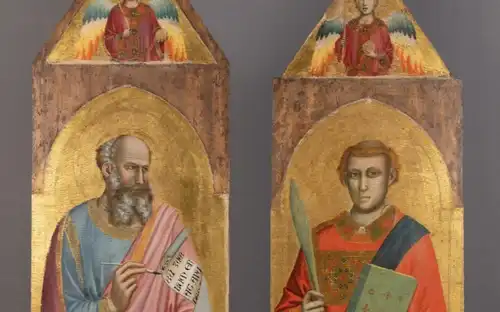
Two 14th-century panel paintings by Giotto displayed in the ornate Cabinet du Giotto at the Château de Chantilly.

The Giotto from the Musée Jacquemart: André du Domaine de Chaalis

  • Château de Chantilly, Chantilly
24 Jan - 30 Dec 2026
From€21.00

Foundational masterpieces by the father of Western painting, revealed in an unprecedented context.

The Château de Chantilly is one of the most exquisite jewels of French cultural heritage, standing as a testament to the extraordinary legacy of Henri d’Orléans, Duke of Aumale. Located just north of Paris, this princely domain carries a complex history spanning from the Middle Ages to the 19th century. While the Petit Château dates back to the 16th century, much of the Grand Château was rebuilt in a majestic neo-Renaissance style following its destruction during the French Revolution. Today, the estate remains exactly as the Duke left it in 1886, preserved by his bequest to the Institut de France, offering visitors a rare opportunity to step back in time into a perfectly maintained 19th-century aristocratic residence.

Inside the castle, art aficionados will discover the Musée Condé, which houses the second-largest collection of antique paintings in France, surpassed only by the Louvre. The Duke of Aumale, a prolific collector, designed the galleries—such as the Gallery of Painting and the Rotunda—to showcase masterpieces by Raphael, Poussin, and Delacroix. In accordance with his strict will, the layout of these works remains unchanged, providing a unique look at historical museography. Beyond the canvases, the Reading Room is a bibliophile’s dream, containing over 19,000 volumes, including the world-famous illuminated manuscript Très Riches Heures du Duc de Berry.

The atmosphere of Chantilly is defined by its harmonious relationship with water and nature. The château appears to float upon a vast moat, surrounded by 115 hectares of diverse parkland. The Grand Parterre, designed by the legendary André Le Nôtre, was famously the architect's favorite creation, featuring immense "water mirrors" and fountains that rival those of Versailles. Visitors can transition from the geometric precision of the French garden to the romanticism of the English Garden, or explore the rustic charm of the Hameau (Hamlet), which served as the inspiration for Marie Antoinette’s retreat at the Trianon.

The experience extends to the Grandes Écuries (Great Stables), the largest of their kind in Europe, which underscore the domain's deep equestrian roots. This 18th-century architectural masterpiece now houses the Living Museum of the Horse, where visitors can witness dressage demonstrations and learn about Chantilly’s racing prestige. Whether you are sampling the legendary Crème Chantilly at the Hamlet or admiring the intricate woodwork of the Prince’s Apartments, a visit to the Domaine de Chantilly offers a serene, fairytale escape that captures the peak of French elegance and intellectual refinement.

Highlights

  • The Musée Condé houses France's second largest collection of antique paintings after the Louvre, featuring masterpieces by Raphael and Botticelli.
  • The Great Stables are an architectural masterpiece of the 18th century and continue to host spectacular equestrian shows and the Museum of the Horse.
  • The Reading Room contains a prestigious library with over 19,000 volumes, including rare medieval manuscripts and the famous Tres Riches Heures du Duc de Berry.
  • The Large Apartments offer a glimpse into princely life with their lavishly decorated reception rooms and 18th-century furniture.
  • The Gardens of Chantilly span 115 hectares and showcase a unique variety of styles including the French-style flowerbeds designed by André Le Nôtre.
  • The Hameau de Chantilly served as the inspiration for Marie Antoinette's rustic retreat at Versailles and features a group of charming timber-framed houses.

Must-Dos

  • Savor an authentic crème Chantilly dessert at the Restaurant du Parc or La Capitainerie to experience the fluffy whipped cream where it was famously popularized.
  • Venture into the surrounding Chantilly Forest for a peaceful walk along the shaded paths that once served as royal hunting grounds.
  • Take a guided tour of the Private Apartments of the Duke and Duchess of Aumale to see more intimate, preserved living spaces.
  • Find a quiet spot along the Grand Canal to photograph the stunning architectural reflections on the water’s surface during the golden hour.
  • Join a Chantilly cream workshop with the Confrérie des chevaliers fouetteurs to learn the traditional art of hand-whipping the famous local specialty.
  • Pause to admire the panoramic view of the estate from the elevated terraces near the chateau for a full perspective of the landscape design.

Guidelines

  • All visitors must undergo a security check at the entrance to ensure the safety of the estate and its collections.
  • Items larger than 55 x 35 x 20 cm, such as bulky bags and suitcases, are not permitted inside the château and must be stored in the available lockers.
  • Photography for personal use is allowed without the use of flash, tripods, or professional equipment.
  • Food and drinks are strictly prohibited within the exhibition areas to prevent damage to the artwork and furniture.
  • Smoking is not permitted anywhere inside the château or within the formal gardens.
  • Pets are not allowed on the premises, with the exception of certified assistance dogs.
  • Visitors are requested to maintain a safe distance and not touch any of the artworks or historical objects on display.

Tips

  • Plan to spend a full 8 hours at the estate to properly explore the chateau, the extensive grounds, and the Great Stables without feeling rushed.
  • Take the train from Gare du Nord to Chantilly-Gouvieux and look for the Pack TER Domaine de Chantilly for a discounted combined travel and entry ticket.
  • Visit the Great Stables around 2:30pm to catch the daily horse equestrian demonstration included with your admission.
  • To taste the most authentic Chantilly cream, head to the La Capitainerie restaurant located within the chateau's former kitchens.
  • Download the Château de Chantilly app and all its content before leaving home to ensure you have access to the self-guided itineraries while onsite.
  • If you are traveling with children, pick up a free booklet-game at the ticket desk to keep them engaged with puzzles while exploring the galleries.
  • Consider visiting between May and September when the weather is ideal and the large flower beds in the French-style garden are in full bloom.

Why Visit

Escaping the bustling streets of Paris for the Domaine de Chantilly is like entering a living masterpiece where the opulence of the Ancien Régime meets the refined passion of a 19th-century prince. While the Louvre offers a vast labyrinth of art, Chantilly provides an intimate and curated journey through the world’s second-largest collection of antique paintings, displayed exactly as they were centuries ago. Beyond the gilded galleries, the estate unfolds into a 115-hectare sanctuary of tranquility, where the architectural genius of André Le Nôtre created a landscape of "water mirrors" that perfectly frame the floating fairy-tale château.

To visit Chantilly is to indulge in a multisensory celebration of French culture. You will find yourself breathless as you stand within the Grandes Écuries, listening to the rhythmic echoes of elite dressage within a limestone cathedral built for horses. The emotional weight of the Reading Room—a bibliophile’s paradise of 19,000 volumes—pairs perfectly with the simple, decadent joy of tasting authentic crème Chantilly in the very hamlet that inspired Marie Antoinette. From the golden hour reflections on the Grand Canal to the hushed elegance of the Prince’s Apartments, every moment is a masterclass in sophistication and serenity.Château de Chantilly is the ultimate Parisian day trip, offering a rare, unspoiled fusion of aristocratic history, world-class art, and equestrian grace that captures the very soul of French refinement.

When to Visit

Midweek Morning Solitude in the Musée Condé

Entering the estate right at 10:00 on a Monday, Wednesday, or Thursday allows for a tranquil walk through the second-largest collection of antique paintings in France before the afternoon crowds peak. Because the venue remains closed every Tuesday, avoid visiting on the surrounding days when traffic typically surges from travelers adjusting their itineraries.

Low-Angle Radiance on the Petit Château

Planning a garden walk around 16:00 during the summer months utilizes the position of the sun to highlight the intricate masonry and stone carvings mirrored in the surrounding moats. This late-day timing offers the softest lighting for the parkland while the majority of tour groups are departing, leaving the grounds significantly emptier before the final exit at 18:00.

How to Visit

To make the most of your trip to the Domaine de Chantilly, you should budget a full 8 hours. This allows you to explore the main château, the vast parklands, and the world-class equestrian facilities without feeling rushed. Start your day by passing through the security check at the main entrance, which is a standard requirement for all visitors.

Navigating the Prince’s Treasure Trove

Once inside the gates, follow this efficient route to see the highlights before the day gets away from you:

  • Begin in the Musée Condé to admire the incredible collection of antique paintings.
  • Move into the Library and Reading Room to see the staggering collection of 19,000 historic volumes.
  • Head to the Grandes Écuries (Great Stables) to witness the architectural grandeur of the limestone "horse cathedral."
  • Finish your indoor tour at the Prince’s Apartments for a look at the opulent living quarters.

Beyond the Gilded Galleries

After the interiors, head outside to explore the 115 hectares of manicured lawns and forest. For a true taste of the estate, find your way to the Restaurant du Parc or La Capitainerie to try the legendary, authentic crème Chantilly. If you are looking for a quieter spot, wander toward the hamlet or the further reaches of the Le Nôtre gardens. Remember that the estate is closed on Tuesdays, so plan your journey for a weekday to enjoy a more peaceful atmosphere.

Schedules

Opening Hours

  • The Château de Chantilly is open from 10:00 to 18:00 during the high season and from 10:30 to 17:00 in the low season.
  • The estate remains closed on Tuesdays and during its annual closure in January.
  • Final admission to the site is permitted until one hour before the scheduled closing time.

Special Days

The estate remains closed every Tuesday and has scheduled annual closures from January 5 to 23, 2026 and on September 13, 2026.

Public holidays such as May 1st, May 8th, and Ascension Day are open for visitors, and entry is always free for children under 7 years old.

How to get there

Located in the lush valley of the Nonette, just north of the capital, the Château de Chantilly offers a princely escape within easy reach of the city's main hubs. This historic estate is remarkably accessible via France's efficient rail network, making it a favored day trip for those seeking a blend of art and equestrian heritage.
  • Train: Take a TER (Regional Express Train) from Paris Gare du Nord to the Chantilly-Gouvieux station, which is the fastest option with a journey time of approximately 25 minutes.
  • RER: Use RER Line D towards Creil and disembark at the Chantilly-Gouvieux station; while more frequent, this route typically takes about 45 minutes from the center of Paris.
  • Bus: From the Chantilly-Gouvieux station, you can reach the chateau by taking the free DUC (Desserte Urbaine Cantilienne) bus or the Bus 645 towards Senlis, both stopping at the Château or Notre-Dame stations.
Directions

Frequently Asked Questions about Château de Chantilly

For security and preservation of this historic French castle, large suitcases and bulky items are not permitted inside the galleries. Small lockers are available for coats and handbags, but travelers visiting from Paris should avoid bringing large travel gear as there are no long-term storage facilities for oversized luggage on the estate.
The Musée Condé and the Prince's Apartments are accessible via a lift for visitors with reduced mobility; however, due to the preservation of the 19th-century flooring, strollers are not allowed inside the castle rooms. You may leave pushchairs in the designated area at the entrance before exploring the art collection and Renaissance paintings.
The most iconic photo location is from the Grand Parterre designed by André Le Nôtre, where the water mirrors create a perfect reflection of the Château de Chantilly. Another stunning angle is found at the English Garden, offering a romantic perspective of the castle across the moat, capturing the essence of French heritage.
A standard 'Domain' ticket usually includes access to the castle, the park, and the Great Stables (Grandes Écuries), but separate tickets are typically required for specific equestrian shows or dressage demonstrations. It is recommended to check the schedule for the Living Museum of the Horse to book these unique performances in advance.
Due to its extreme fragility and importance to French heritage, the original 15th-century manuscript is rarely on public display. However, visitors to the Reading Room can often see high-quality facsimiles or digital presentations that showcase the intricate detail of this masterpiece within the Duke of Aumale's vast library.
The fastest route is taking a TER train from Paris Gare du Nord, which reaches the Chantilly-Gouvieux station in approximately 25 minutes. From the station, you can take a local bus or enjoy a scenic 20-minute walk through the forest and town to reach the gates of the historic French castle.
Yes, the estate offers 'Park-only' tickets for those who wish to focus on the 115 hectares of gardens, fountains, and the Hameau without entering the French art gallery. This is a popular option for local families looking to enjoy a picnic near the forest or a stroll through the Le Nôtre gardens.
For a truly historic experience, visit the restaurant at the 'Hameau' (the Hamlet) within the park. This rustic setting, which inspired Marie Antoinette, is famous for serving traditional whipped cream prepared using the original recipe, offering a delicious taste of local culinary heritage.
Personal photography without flash or tripods is permitted within the Musée Condé and the castle rooms to protect the delicate Renaissance paintings. Professional shoots or the use of drones over the park and royal stables require prior written authorization from the Institut de France.