
Restored Treasures: A Tribute to Bibliophile Patrons
- Château de Chantilly, Chantilly
4 Feb - 1 Jun 2026
From€21.00
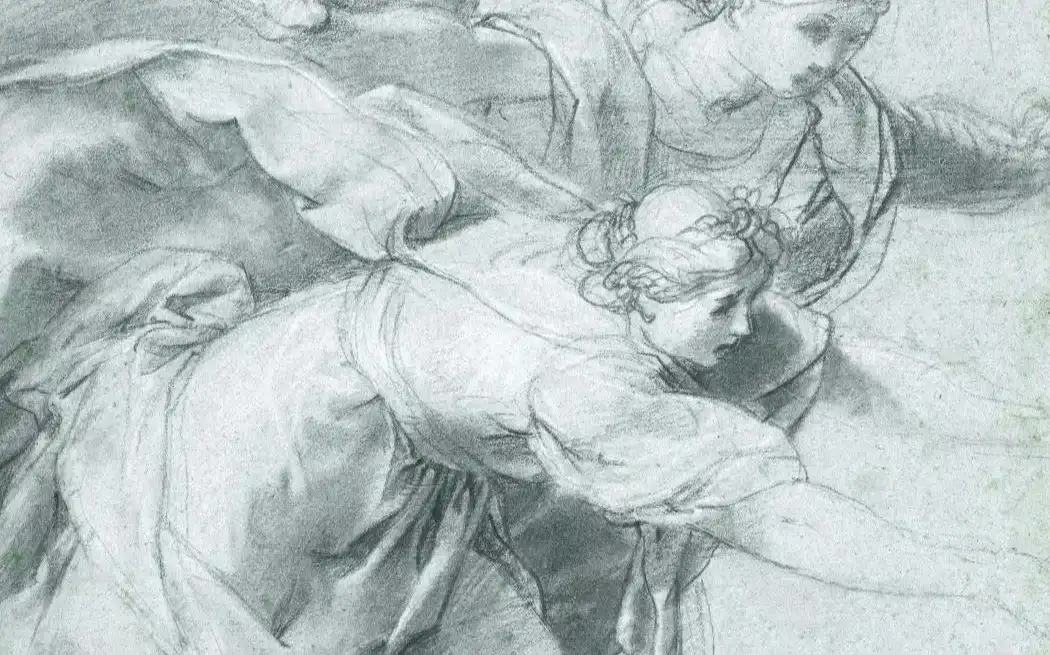
The exhibition Drawings from the Seicento: 17th-Century Italy at the Château de Chantilly offers a rare and sophisticated journey into the heart of the Italian Baroque. Curated by Ulysse Jardat, this ambitious showcase presents the entirety of the Musée Condé’s 17th-century Italian graphic fund for the first time. The curatorial narrative is structured across five dedicated rooms in the Cabinet d’arts graphiques, organizing more than fifty works into a thematic and geographical exploration of Italy’s major artistic centers. From the northern schools of Bologna and Florence to the creative hubs of Rome and Naples, the exhibition highlights the extraordinary diversity of a century defined by both rigorous classicism and exuberant drama.
Central to this presentation are the works of undisputed masters such as Federico Barocci, whose Study for the Deposition of Perugia exemplifies the bridge between Mannerism and the nascent Baroque. The exhibition also spotlights the brilliance of Guercino, Domenichino, and the Carracci family, whose drawings reveal the technical mastery and "bravura" essential to 17th-century Italian art. A significant highlight is the focus on Giovanni Baglione, the legendary rival of Caravaggio, whose presence underscores the intense competitive energy of the Roman art scene. Through careful selection, the curation demonstrates how these artists used paper not just for preparation, but as a space for profound emotional and stylistic experimentation.
Beyond its aesthetic appeal, the exhibition possesses immense historical significance due to its focus on recent reattributions and the "collector’s eye." Many works previously categorized under French or Flemish schools have been correctly identified as Italian through the discovery of hidden watermarks and inscriptions. By reuniting the core collection of the Duc d'Aumale with prestigious loans from the Louvre, the Fondation Custodia, and private collections, the show reconstructs significant decorative cycles and spotlights historic connoisseurs like Pierre-Jean Mariette. This scholarship transforms the gallery into a living archive, tracing the provenance and shifting identities of these masterpieces across centuries.
The emotional resonance of the display lies in the intimacy of the medium itself. Visitors are invited to witness the first thoughts of genius through fleeting pen strokes and the luminous application of white chalk or wash. Whether it is the visceral intensity of Jusepe de Ribera’s scenes of martyrdom or the serene, harmonious balance of Bolognese classicism, the exhibition captures the full spectrum of human experience. The dialogue between these graphic works and the large-format paintings in the nearby Galerie de Peinture allows for a deeper understanding of the creative process, making this "Italian Season" at Chantilly a moving tribute to the enduring power of Italian draftsmanship.
Don't miss the 3 other major exhibitions currently showing at Château de Chantilly during your visit to Chantilly in 2026.