
Restored Treasures: A Tribute to Bibliophile Patrons
- Château de Chantilly, Chantilly
4 Feb - 1 Jun 2026
From€21.00
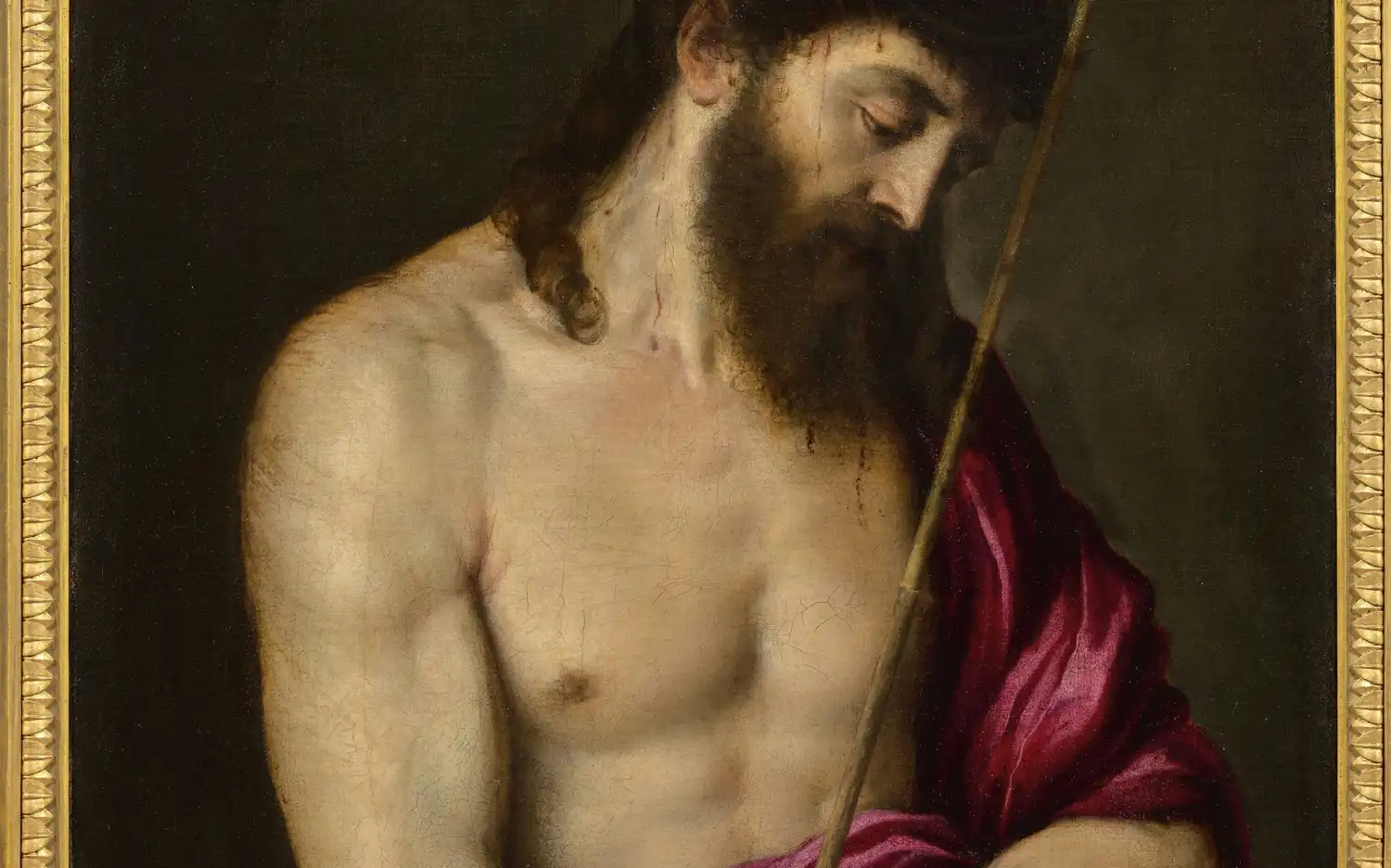
The exhibition Titien, Ecce Homo. De Chypre à Chantilly, la science au service de l'art at the Château de Chantilly offers a rare and sophisticated immersion into the workshop of one of the greatest masters of the Italian Renaissance. The curatorial theme centers on the fascinating intersection of art history and scientific analysis, specifically focusing on the dialogue between two mysterious versions of the same iconographic subject: the Ecce Homo. By bringing together the version held by the Musée Condé and a private masterpiece from the Dr. Pittas Collection in Cyprus, the exhibition deconstructs the creative process of Titian and his atelier, revealing how modern technology can unlock secrets hidden beneath centuries of oil and varnish.
At the heart of the showcase is the Ecce Homo from the Pittas Collection, which has undergone extensive study by the APAC Labs of the Cyprus Institute. This scientific inquiry revealed a stunning discovery: a hidden portrait of an unidentified man buried beneath the religious composition. This revelation, showcased alongside the Musée Condé’s Ecce Homo, allows visitors to witness the pentimenti and material stratigraphy that characterize Titian’s late style. The presence of these two works in the Galerie de Psyché creates a stimulating comparison of brushwork and materiality, illustrating the artist's legendary thriftiness and his confident, expressive handling of the canvas.
The historical significance of these works is deeply tied to the religious fervor of the Counter-Reformation. Titian reinterpreted the traditional image of the "Behold the Man" to evoke a direct, emotional response from the faithful, emphasizing the humanity and suffering of Christ. The Musée Condé version, acquired by the Duc d’Aumale in 1858, was long believed to be the prestigious autograph replica intended for the humanist Pietro Aretino. Through the collaboration of experts like Mathieu Deldicque and laboratories such as the C2RMF, the exhibition places these masterpieces within their proper context, tracing their provenance from 16th-century Venice to modern-day Chantilly.
The emotional resonance of the exhibition is found in the visceral depiction of the Passion of Christ. The interplay of light and shadow—the chiaroscuro—exacerbates the physical toll of the flagellation, while the serene resignation in Christ’s eyes invites profound contemplation. Visitors are not merely observers of a technical achievement but are drawn into a spiritual dialogue between the divine majesty of the subject and the human fragility revealed by scientific tools. This exhibition serves as a powerful testament to the enduring power of Titian’s vision, proving that the marriage of heritage science and fine art can deepen our collective understanding of the sublime.
Don't miss the 3 other major exhibitions currently showing at Château de Chantilly during your visit to Chantilly in 2026.