



François Morellet: At the Château de Versailles
- Palace of Versailles, Versailles
30 Jun - 1 Nov 2026
From€25.00
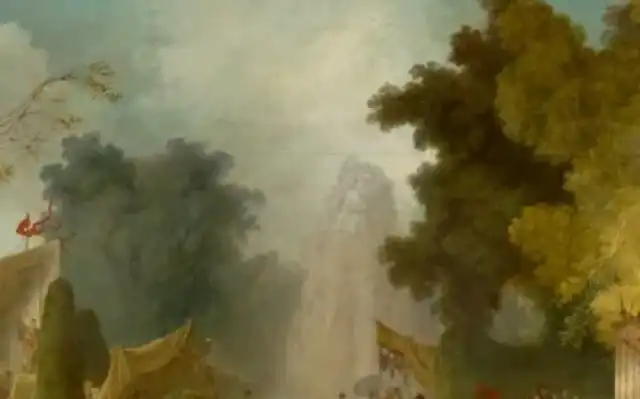
The exhibition Gardens of the Enlightenment: 1750-1800, presented at the Grand Trianon, offers a masterful exploration of the pivotal shift from the rigid geometry of the French formal garden to the emotive freedom of the landscape garden. This curatorial journey brings together nearly 160 works, including architectural plans, costumes, and masterpieces of the decorative arts, to illustrate a period when nature became a canvas for Enlightenment philosophy. By breaking free from traditional symmetry, these picturesque gardens celebrated irregularity and fantasy, reflecting a new intellectual relationship with the world that prioritized spontaneous discovery and the philosophical evocation of nature.
Central to this transformation are the evocative canvases of Hubert Robert, whose paintings invited 18th-century spectators to immerse themselves in landscapes designed to inspire surprise and contemplation. The exhibition highlights how these Anglo-Chinese gardens served as "gardens of illusion," where architectural follies like pyramids and pagodas created a miniature world of travel and discovery. Beyond the canvas, the aesthetic of the landscape permeated every aspect of aristocratic life; key masterpieces on display, such as the bamboo table from the Pagode de Chanteloup and the reed chairs from the Shell Cottage at Rambouillet, demonstrate a unique blurring of boundaries between furniture design and the natural world.
The emotional resonance of the exhibition lies in its depiction of the garden as a space for sociability, intimacy, and reverie. Influenced heavily by the writings of Jean-Jacques Rousseau, the landscaped terrain became a language for the soul—a setting for meditation and a stage for the modern art of living. Through the works of Claude-Louis Châtelet and Louis-Nicolas de Lespinasse, visitors witness the garden as a theatrical venue for festive celebrations and hedonistic joy. This transition toward an idealized country life reflected a profound desire for freedom and authenticity during the final years of the Ancien Régime.
Concluding in close dialogue with the surrounding Estate of Trianon, the exhibition provides a sensitive rereading of the iconic sites commissioned by Marie Antoinette. The collaboration between architect Richard Mique and gardener Antoine Richard at the Petit Trianon remains one of the most enduring legacies of this era. By examining emblematic structures such as the Temple of Love, the Belvedere, and the Queen’s Hamlet, the showcase reaffirms that these gardens were not merely horticultural achievements, but profound intellectual laboratories that reshaped the European imagination and its perception of the sublime.
The Palace of Versailles is a masterclass in 17th-century opulence, featuring the legendary Hall of Mirrors, vast landscaped gardens, and a premier collection of French Renaissance art near Paris. This UNESCO World Heritage Site offers a glimpse into royal history through its 2,300 rooms and world-class cultural exhibitions.
The Palace and the Estate of Trianon are closed on Mondays, December 25th, January 1st, and May 1st.
Free entry is offered to all visitors on the first Sunday of the month from November to March.
The Gardens and Park remain open free of charge on Friday, May 1st, even when the Palace is closed.
Located approximately 20 kilometers southwest of central Paris, the Palace of Versailles is a majestic escape from the city, easily reached through an efficient network of regional trains and buses. This historic estate is highly accessible for day-trippers seeking to experience the opulence of the French monarchy.
Don't miss this other major exhibition currently showing at Palace of Versailles during your visit to Versailles in 2026.