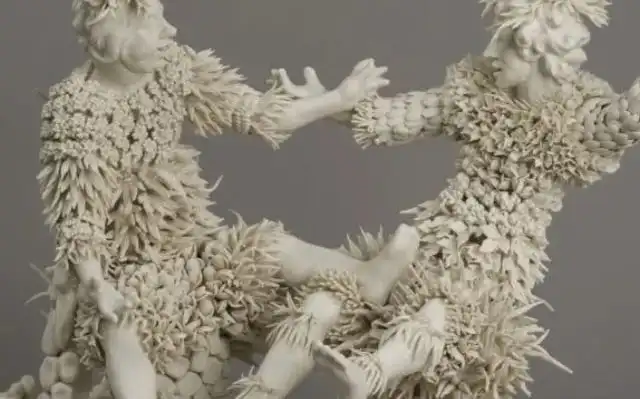
An intricate porcelain installation by artist Diego Cibelli displayed within the historic, ornate galleries of the Musée Condé at the Château de Chantilly.

Diego Cibeli: Confines of Porcelain

  • Château de Chantilly, Chantilly
6 Jun - 26 Oct 2026

The Diego Cibeli: Confines of Porcelain exhibition at the Château de Chantilly near Paris offers a masterful dialogue between Neapolitan contemporary art and the venue’s historic Musée Condé collections. This sophisticated installation redefines the limits of the ceramic medium, inviting viewers to explore the intricate intersection of heritage and modern sculptural innovation.

Recommended
Tiqets logo - Official ticket provider for Diego Cibeli: Confines of Porcelain at Château de Chantilly in Chantilly
From
€21.00

The exhibition Diego Cibeli: Confines of Porcelain at the Château de Chantilly represents a profound dialogue between contemporary artistic innovation and the storied heritage of the Musée Condé. Neapolitan artist Diego Cibeli masterfully reinterprets the site’s historical weight by installing site-specific works that challenge the traditional boundaries of decorative arts. By positioning his sculptures within the prestigious apartments and the Jeu de Paume, Cibeli creates a bridge between the 18th-century porcelain traditions—once the signature of the Royal Porcelain Manufactory at Capodimonte—and a modern exploration of humanistic geography and the "joy of living in the open air."

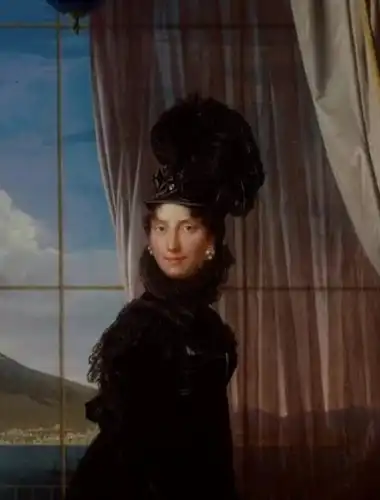
At the heart of the curatorial theme is the concept of transformation and hybridity. Cibeli’s work draws significant inspiration from the classical and Neapolitan collections of Caroline Murat, Queen of Naples, whose own passion for the ancient sites of Pompeii and Herculaneum is mirrored in the artist’s aesthetic. His sculptures feature delicate, anthropomorphic figures and Etruscan-inspired faces that seem to emerge from botanical and mineral forms. This "enchanted menagerie" creates a spectrum of diverse creatures that celebrate the value of encounter, moving away from rigid heroic masculinity toward a more fluid, poetic representation of the human condition.

The historical significance of this showcase lies in its ability to reclaim porcelain as a medium of thought rather than a mere luxury commodity. By referencing masterpieces like Filippo Tagliolini’s The Fall of the Giants, Cibeli acknowledges the technical rigor of the past while subverting its narratives. His process is inherently collective, involving young artisans from his studio in Scampia, which imbues the fragile material with a sense of social resilience. This connection to the "common origin" of water, light, and fire serves as a reminder of the shared bonds that unite ancient civilizations with contemporary society.

The emotional resonance of the exhibition is found in its invitation to introspection and collective longing. Visitors are encouraged to rediscover shared spaces as places to inhabit and experience, much like the Etruscans did through their deep connection with nature. The fragile yet resilient nature of the porcelain serves as a powerful metaphor for the strength of fragility, affirming that beauty arises from care and attention. Ultimately, the exhibition at Chantilly is a celebration of rhythmic movement and social connection, leaving the public with a lingering sense of wonder at the intersection of history, art, and the natural world.

Highlights

  • Discover a site-specific installation by Neapolitan artist Diego Cibelli that explores the boundaries and traditions of delicate porcelain art.
  • View a series of diverse hybrid creatures and queer celebrants in states of transformation that reverse traditional formulas of heroic masculinity.
  • Examine intricate artworks inspired by the Royal Porcelain Manufactory of Capodimonte and the signature detailed floral designs of the 18th century.
  • Explore the collections of Caroline Murat, Queen of Naples, which are showcased alongside Cibelli's contemporary ceramic interventions.
  • Experience the artist's fantastic bestiary that recreates the broken links between humanity and the natural and animal worlds.

Frequently Asked Questions about Diego Cibeli: Confines of Porcelain

Yes, access to the exhibition is typically included with your general admission ticket to the Château de Chantilly, which covers the Musée Condé and the grounds.
Visitors usually spend about 30 to 45 minutes exploring the porcelain installations, though you should allow several hours if you plan to see the rest of the estate.
Yes, photography for personal use is permitted without flash, provided you do not use professional equipment like tripods or selfie sticks.
The installation by Diego Cibelli is located within the Musée Condé inside the Château de Chantilly, with additional related collections often displayed at the Jeu de Paume.
Yes, the visual nature of the porcelain works makes it accessible for all ages, and it is a great addition to a family day out at the castle.
While you should book your estate entrance ticket in advance, there is generally no separate timed entry required specifically for the temporary exhibition once inside.

Château de Chantilly

  • Chantilly

Located just a few kilometers from Paris, the Château de Chantilly offers an opulent glimpse into princely life through the masterpieces of the Musée Condé and its historic exhibitions. This architectural jewel houses a world-renowned collection of paintings and a legendary library featuring the world’s most precious illuminated manuscripts.

Schedules

Opening Hours

  • The Château de Chantilly is open from 10:00 to 18:00 during the high season and from 10:30 to 17:00 in the low season.
  • The estate remains closed on Tuesdays and during its annual closure in January.
  • Final admission to the site is permitted until one hour before the scheduled closing time.

Special Days

The estate remains closed every Tuesday and has scheduled annual closures from January 5 to 23, 2026 and on September 13, 2026.

Public holidays such as May 1st, May 8th, and Ascension Day are open for visitors, and entry is always free for children under 7 years old.

How to get there

Located in the lush valley of the Nonette, just north of the capital, the Château de Chantilly offers a princely escape within easy reach of the city's main hubs. This historic estate is remarkably accessible via France's efficient rail network, making it a favored day trip for those seeking a blend of art and equestrian heritage.

  • Train: Take a TER (Regional Express Train) from Paris Gare du Nord to the Chantilly-Gouvieux station, which is the fastest option with a journey time of approximately 25 minutes.
  • RER: Use RER Line D towards Creil and disembark at the Chantilly-Gouvieux station; while more frequent, this route typically takes about 45 minutes from the center of Paris.
  • Bus: From the Chantilly-Gouvieux station, you can reach the chateau by taking the free DUC (Desserte Urbaine Cantilienne) bus or the Bus 645 towards Senlis, both stopping at the Château or Notre-Dame stations.
Directions
Elegant rare manuscripts and historic bookbindings displayed inside the ornate Cabinet des Livres library.
Close-up of Titian's Ecce Homo painting showing Christ crowned with thorns at the Château de Chantilly.
Intricate 17th-century Italian charcoal drawing on aged paper from the Seicento exhibition at Musée Condé.
A full-length neoclassical portrait of Caroline Murat, Queen of Naples, standing in a luxurious royal apartment in a black velvet dress with Mount Vesuvius visible through a large window in the background.
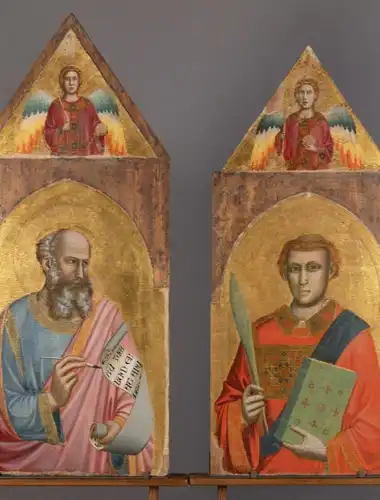
Two 14th-century panel paintings by Giotto displayed in the ornate Cabinet du Giotto at the Château de Chantilly.