


Eugénie Season
- Château de Pierrefonds, Pierrefonds
9 Jun - 15 Nov 2026
From€9.00
A sophisticated celebration of Empress Eugénie’s bicentennial legacy within the walls of Pierrefonds.
Discover the current major exhibition showing at Château de Pierrefonds in 2026.
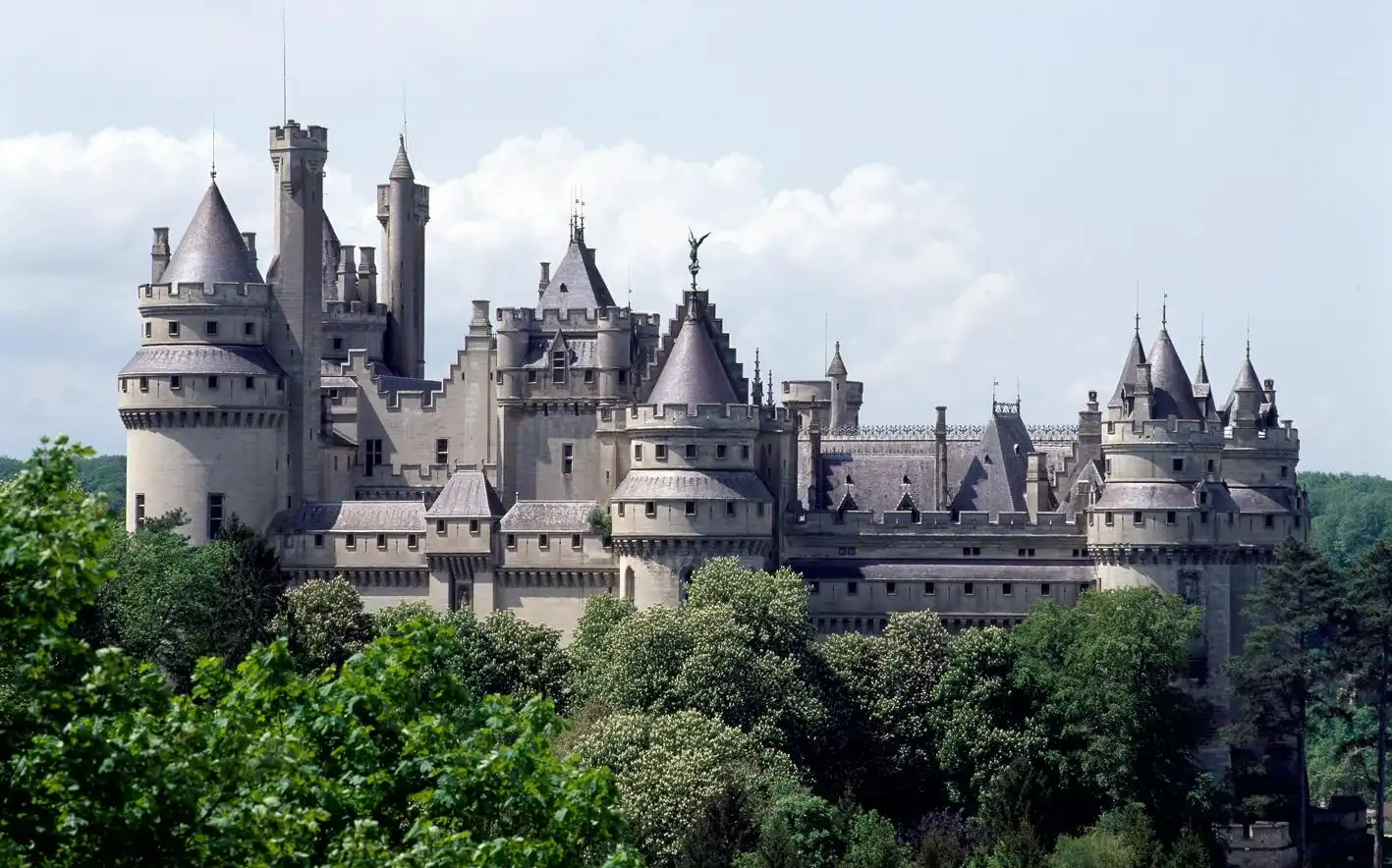
Nestled on the edge of the Compiègne Forest, the Château de Pierrefonds stands as a breathtaking testament to architectural imagination and imperial ambition. Originally constructed in the late 14th century by Louis d’Orléans, the fortress was designed to be virtually invulnerable, featuring massive defensive round towers and high curtain walls. However, after being dismantled by order of Louis XIII in 1617, the structure lay in ruins for over two centuries, eventually becoming a celebrated symbol of Romanticism that inspired 19th-century artists. Its fate changed dramatically in 1857 when Napoleon III commissioned the visionary architect Eugène Viollet-le-Duc to transform the "romantic ruins" into a prestigious imperial residence.
The result is a singular masterpiece that blends rigorous archaeological restoration with flamboyant creative innovation. Viollet-le-Duc did not merely rebuild the castle; he reinvented a medieval ideal, incorporating the comforts of a Second Empire palace. Visitors are treated to an extraordinary architectural melting pot, from the imposing Donjon (keep) to the Godefroy Tower. The interior is equally spectacular, featuring the Grand Salle des Preuses, a monumental hall adorned with polychrome paintings and sculpted chimney pieces. Look closely at the rooftops and dormers to spot the 33 cat statues, a playful nod to the architect's personal passion for felines.
Walking through the gates of Pierrefonds feels like stepping into a living fairy tale, an atmosphere so evocative that it has served as a filming location for productions like Merlin and The Messenger: The Story of Joan of Arc. The transition from the stark, defensive exterior to the opulent, almost avant-garde interior decor creates a sense of wonder. After exploring the mysterious crypts and majestic halls, a stroll through the surrounding park offers stunning vistas of the fortifications, allowing you to fully appreciate why this "romantic folly of the Emperor" remains one of the most enchanting cultural treasures of the Oise region.
For those who find the classic landmarks of central Paris a bit too predictable, the Château de Pierrefonds offers a breathtaking escape into a world of pure architectural fantasy. While other monuments represent a single era, Pierrefonds is a neo-medieval fever dream where the raw power of a fortress meets the refined luxury of an imperial palace. It is not just a building; it is a cinematic masterpiece made of stone, standing proudly as the ultimate realization of 19th-century romanticism. To walk through its gates is to leave the modern world behind and enter a space where the Gothic past has been polished to a brilliant, flamboyant shine.
As you explore, the air feels thick with the whimsical spirit of an era that dared to reinvent history. The visual feast begins with the interplay of light against the soaring towers and transitions into an explosion of color within the lavish chambers, where every carved animal and vibrant mural tells a story of artistic obsession. There is a profound, ethereal silence in the dimly lit crypts that contrasts sharply with the heroic grandeur of the upper halls, leaving you with a lingering sense of wonder and discovery that no other castle in France can replicate.Château de Pierrefonds is a spellbinding fusion of history and imagination that proves the most enduring legends are the ones we have the courage to rebuild.
Morning Fog in the Compiègne Forest
Arriving exactly at 9:30 am between May and August or 10:00 am during the winter season ensures you bypass the primary influx of day-trippers arriving from central Paris. Midweek visits on a Tuesday or Wednesday typically offer the lowest foot traffic, granting nearly private access to the grand staircase and the ornate Courtyard of Honor.
Sunlit Vaults of the Salle des Preuses
Midday provides the most effective natural illumination for the intricate sculptures and the massive vaulted ceiling of the main hall, as the sun reaches a high enough angle to clear the fortress's thick defensive walls. Scheduling your indoor exploration for 12:00 pm to 2:00 pm allows for optimal photography of the imperial apartments while the majority of visitors have cleared out for lunch.
Shadows Across the Drawbridge
Positioning yourself on the marked forest trails surrounding the estate during the final hour before the 5:30 pm or 6:00 pm gate closure captures the castle towers in dramatic relief. This late-afternoon window is ideal for viewing the fortress exterior without the distraction of crowds, as most tour groups depart by 4:00 pm to return to the city.
Getting to the Château de Pierrefonds requires a bit of planning since it is tucked away in the Oise department, but the payoff is immense. You should budget at least two to three hours for the castle itself, plus extra time if you want to enjoy a lakeside lunch or a stroll through the village.
The Best Way to Cross the Drawbridge
The main entrance is located at the end of Rue Viollet le Duc. Since this is a popular spot for film crews and history buffs alike, you should always book your tickets online for a specific time slot. This ensures you can walk right up to the security check without getting stuck behind a spontaneous tour group. If you are arriving from Paris by train via Compiègne, try to coordinate your arrival with the local bus schedule to minimize waiting time at the station.
Navigating the Imperial Reimagination
Once you have passed through the gates, the best way to see the interiors is to follow a route that balances the fortress's defensive roots with its 19th-century luxury.
The venue is closed annually on January 1, May 1, and December 25.
Entry is free for all visitors on the first Sunday of each month from November 1 to March 31.
Admission is also free for everyone during the European Heritage Days on September 21 and 22.
Nestled on the edge of the majestic Compiègne Forest in the Oise department, the Château de Pierrefonds is an imperial escape situated about 80 kilometers northeast of central Paris. While it lies beyond the city's arrondissements, this medieval masterpiece is accessible through a combination of regional rail and local shuttle services.